A capability-builder homeowner prepares by investing in renewable capabilities rather than finite stockpiles, measuring readiness by what the household can do, not by what it owns. They prioritize by capability per dollar, in the order things keep you alive: water you can make safe first, then food, power and light, first aid and the skills to use it, communication, and warmth. Build one capability to a working standard before starting the next.
Most people prepare by accumulating. They buy a kit, a case of water, a generator, and a shelf of freeze-dried food, then feel ready because the garage is full. A capability-builder homeowner thinks differently. The question is not what you own. It is what you can do. Can you make water safe to drink? Keep the lights and the fridge running? Feed your family past the pantry? Treat an injury when the clinic is an hour away? Capability, not inventory, is what holds up when normal systems fail.
This is the more durable way to think about disaster preparedness, and it changes every buying decision you make. This guide defines the capability-builder homeowner, then walks through how they prioritize: what to buy first, how to build resilience over time, and how food and energy independence actually get built.
What Is a Capability-Builder Homeowner?
A capability-builder homeowner is someone who invests in renewable capabilities rather than finite stockpiles. The distinction sounds subtle and is not. Storage runs out. Capability does not. Storing three gallons of water gets you through a day or two. Owning a filter that processes twenty gallons a day, plus some storage, means you never run out as long as there is a stream, a rain barrel, or a tap. The capability-builder buys the filter, learns to use it, and keeps a buffer of stored water behind it. Same idea with power, food, and every other system.
This is the opposite of preparedness as theater: the panic buy during a crisis, the closet full of gear no one has ever opened, the identity of being ready without the ability to back it up. A capability-builder measures readiness in what the household can actually produce and do, and buys for capability per dollar, not for the reassurance of a full shelf.
The mindset rests on a few principles: capability over quantity, skills alongside gear, buy once and buy right, and redundancy in the things that matter. If you want the tactical version of this thinking, our piece on why emergency kits fail and what experienced preppers prioritize breaks down the specific priorities. This article is the layer above it: how to think, and in what order to build.
What Should a Capability-Builder Homeowner Buy First?
Buy the capabilities that keep you alive, in the order they keep you alive, starting with the highest capability per dollar: water processing first, then food, then power and light, then first aid and the skills to use it, then communication, then warmth and shelter. At each step, choose the tool that lets you produce or process rather than just store, because that is what turns a one-time supply into an ongoing capability.
-
Water you can make safe. A quality filter or purification system plus some stored water. Processing capacity beats storage volume every time. Start with water storage and filtration.
-
Food you can keep and stretch. A base of shelf-stable calories now, with an eye toward storing and eventually producing more. Begin with food rations.
-
Power and light you control. A way to make and keep power, not just a drawer of batteries. A small solar-capable power and light setup that can grow is the capability play.
-
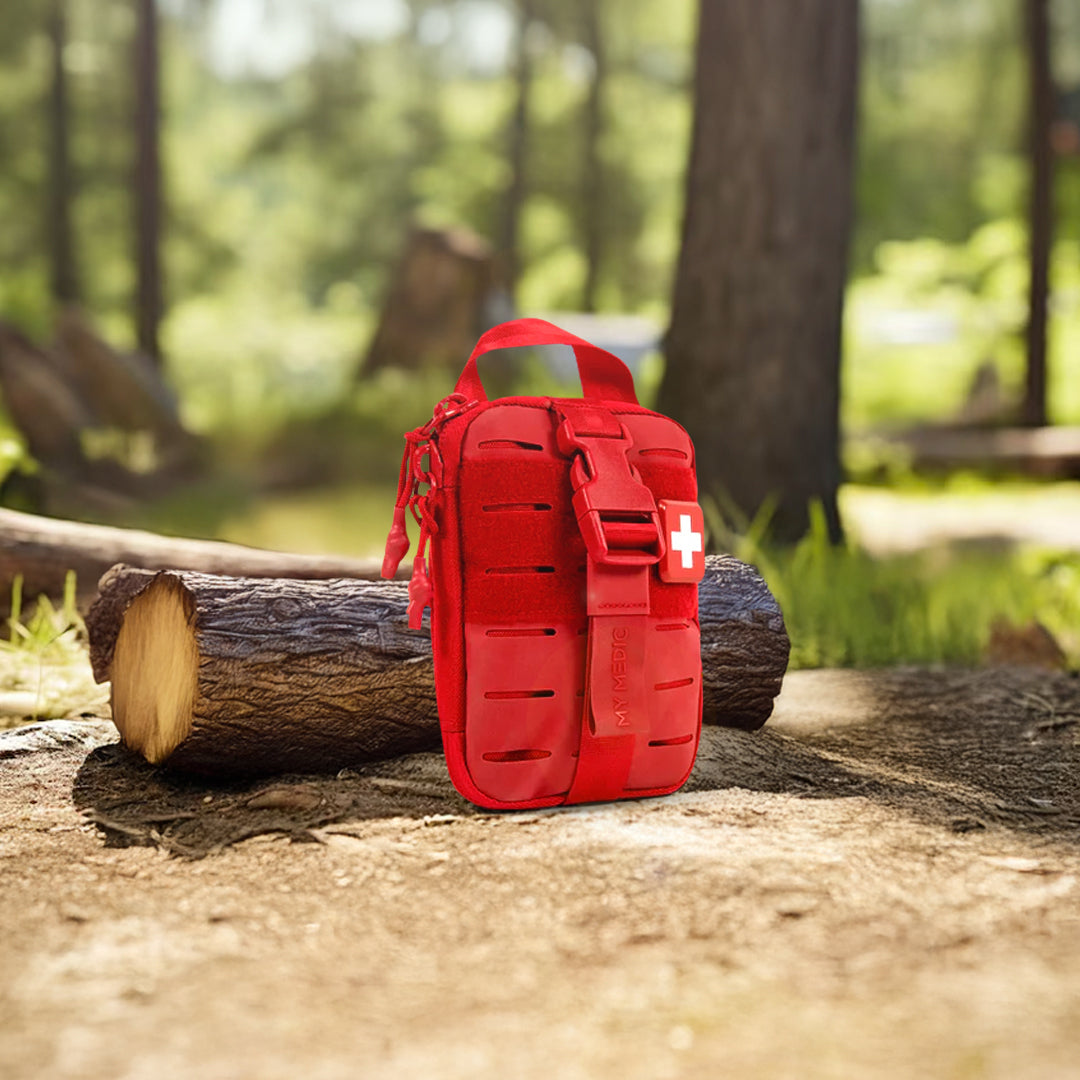
First aid and the training to use it. A real first aid setup is only as good as the hands using it, so pair the kit with training.
-
Communication. A way to get weather and emergency information and reach people when the network is down.
-
Warmth and shelter. The ability to stay warm and dry without the grid, sized to your climate.
The whole disaster preparedness range maps to these capabilities. Buy the first one to a working standard before you move to the second. A household that can make water, feed itself, and keep the lights on is far more prepared than one with a garage full of unopened boxes.
What Is the Best Approach to Building Resilience Capacity Over Time?
The best approach is to build in expanding layers, taking one capability to a working standard before widening to the next, pairing every piece of gear with the skill to use it, and maintaining what you already own. Resilience capacity is not bought in a weekend. It is compounded over months and years, and each capability you build makes the next one easier.
A practical progression looks like this. Start with 72 hours of every core capability, the baseline for most short emergencies. Then extend to two weeks, which covers the large majority of real events, from storms to supply disruptions. Then a month, then three months and beyond, and finally toward genuine self-sufficiency if that is your goal. At each stage you are not just adding supplies, you are deepening a capability: more water processing, more ways to cook, more power, more skill.
-
Depth before breadth. A little of everything leaves you with enough of nothing. Finish one layer before starting the next.
-
Skills alongside gear. Gear you cannot use is dead weight. Practice with the filter, the stove, the power station, and the first aid kit before you need them.
-
Redundancy where it counts. For the capabilities you cannot live without, two is one and one is none. Have a backup way to make water, heat, and light.
-
Maintenance and rotation. A capability you do not maintain is a capability you do not have. Rotate food and water, test power, and check gear on a schedule.
This is the quiet work of resilience: steady, unglamorous, and done before anything goes wrong rather than in a panic once it has.
How Do Preppers Build Long-Term Food and Energy Independence?
Preppers build long-term food and energy independence by pairing storage with production. For food, that means a deep base of long-storage staples plus the ability to grow and preserve more. For energy, it means solar and a battery bank sized to daily use, with a generator for backup. Neither storage nor production alone is independence. Together they are the backbone of a self-sufficient home.
Food independence has two legs. The first is storage: bulk staples like rice, beans, wheat, and oats sealed for decades, plus a variety layer of freeze-dried and canned food. The second is production: a garden, open-pollinated seed, and the skills to preserve a harvest. Build the storage base first with our 1-year emergency food supply guide, then add production and preservation with the homestead foods and preservation guide. Storage buys you time; production buys you independence.
Energy independence follows the same logic. A solar array with a LiFePO4 battery bank, sized to your daily kilowatt-hours and the days of autonomy you want, with a generator as backup for long sunless stretches, is the standard. The affordable way in is to start with an expandable power and light setup that covers essentials and grows over time. For the full picture on building it out, the off-grid and homestead collection is the hub. Food and energy are the two systems that turn a prepared household into an independent one; water and skills wrap around them.
The Mindset Mistakes That Keep People Stuck
-
Buying gear as identity. A full closet feels like readiness. It is only readiness if you can use what is in it.
-
Storage-only thinking. Stored supplies are finite by definition. A processing or production capability is renewable, and that is what long-term resilience is made of.
-
Gear without skills. The most common failure is owning the right tool and never learning to use it under stress.
-
Panic buying in a spike, then stopping. Resilience is built steadily, not in one anxious weekend when the news is bad.
-
Breadth without depth. One of everything is a collection, not a capability. Take each layer to a working standard.
-
Skipping maintenance. The dead jump starter, the expired water, the untested filter. An unmaintained capability fails exactly when you reach for it.
Becoming a capability-builder homeowner is not about spending more. It is about spending in the right order, on the things that let your household do rather than just own. Build one capability to a working standard, learn to use it, maintain it, then build the next. That is what real preparedness looks like: a capable household, put together in quiet, deliberate steps, long before anything goes wrong.
FAQ
What is a capability-builder homeowner?
A capability-builder homeowner is someone who prepares by investing in renewable capabilities rather than finite stockpiles. Instead of only storing supplies, they build the ability to produce and process what they need: a filter that makes water safe rather than only stored water, a way to generate power rather than only batteries, food they can store and grow rather than only cans. Readiness is measured by what the household can actually do, not by how much it owns.
What should a capability-builder homeowner buy first?
Buy the capabilities that keep you alive, in order, starting with the highest capability per dollar: water processing first, then food, then power and light, then first aid and the skills to use it, then communication, then warmth and shelter. At each step, choose the tool that lets you produce or process rather than just store, and take one capability to a working standard before moving to the next.
What is the best approach to building resilience capacity over time?
Build in expanding layers, taking one capability to a working standard before widening to the next, pairing every piece of gear with the skill to use it, and maintaining what you own. A practical progression goes from 72 hours of every core capability, to two weeks, to a month, to three months and beyond, and finally toward self-sufficiency. Each layer deepens a capability rather than just adding supplies, and each one makes the next easier.
How do preppers build long-term food and energy independence?
By pairing storage with production. For food, that means a deep base of long-storage staples plus the ability to grow and preserve more through a garden, seed, and preservation skills. For energy, it means a solar array and a LiFePO4 battery bank sized to daily use, with a generator for backup. Storage buys time and production buys independence, and together they form the backbone of a self-sufficient home.
How is capability-based preparedness different from stockpiling?
Stockpiling stores a fixed quantity of supplies that runs out. Capability-based preparedness builds the ability to produce or process what you need, so it renews. Stockpiling three gallons of water lasts days; owning a filter that processes twenty gallons a day lasts as long as there is a water source. Capability-based preparedness still uses storage as a buffer, but it treats the ability to do as the real measure of readiness.