Collection: Emergency Power & Light Solutions
When the grid goes down, power and light are the two things that change everything else. A portable power station keeps your phone charged, your medical devices running, and your communication gear operational. A quality headlamp or tactical flashlight keeps you functional after dark. These are not nice-to-haves, they are what the people depending on you need you to have already sorted before anything goes wrong.
Our Power and Light collection covers the full range: portable power stations from EcoFlow and Jackery in sizes from compact to whole-home capable, solar panels for off-grid charging, car charging cables, power inverters, and lighting from Fenix and Petzl including tactical flashlights, rechargeable headlamps, and search and rescue lights. Whether you are building a basic outage kit or a full off-grid power system, this is where to start.
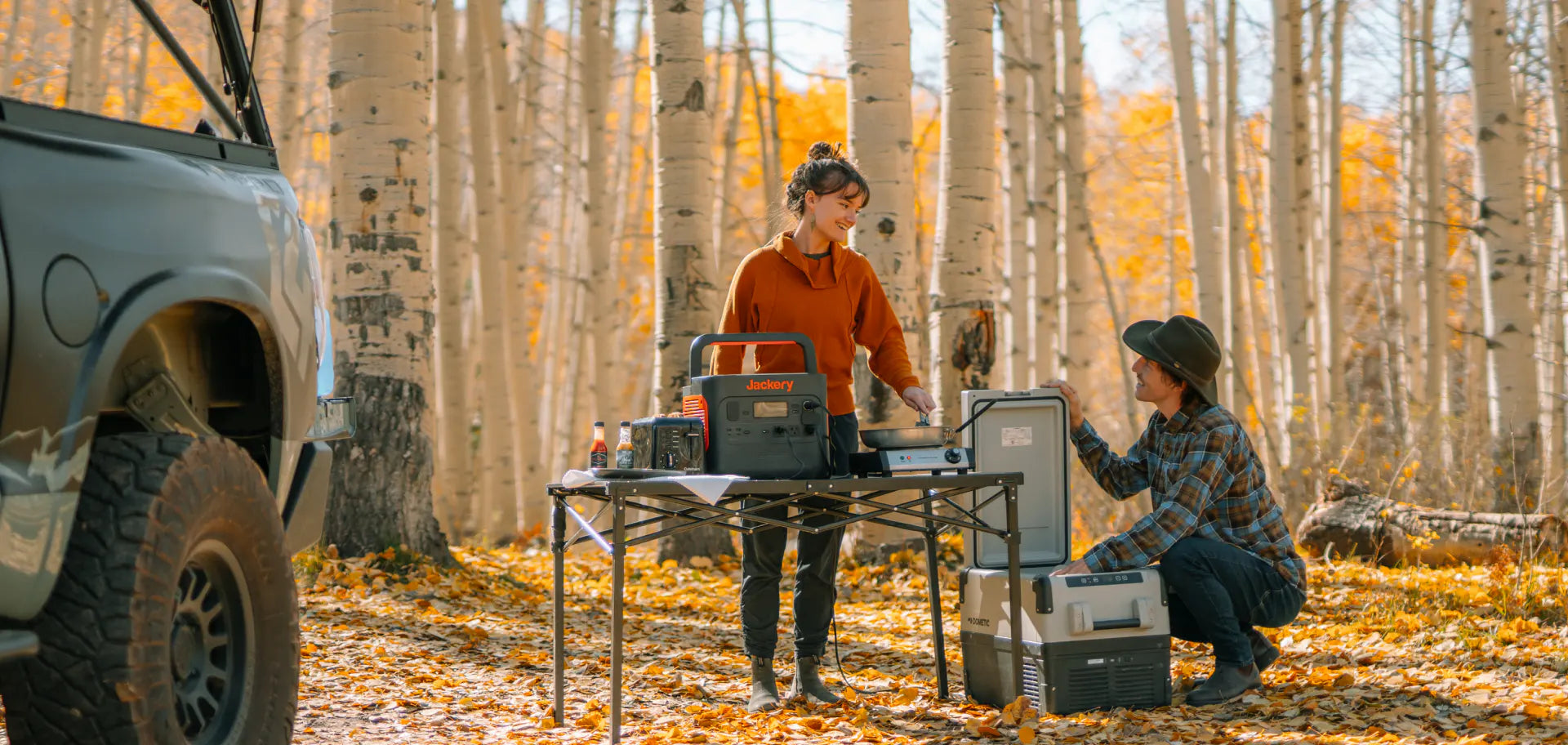


Emergency Power and Lighting: What This Collection Covers
The Power and Light collection spans two connected preparedness categories. Here is what is available and how each product type fits into a preparedness setup.
- Portable power stations: Battery-based power hubs that store electricity and deliver it through standard AC outlets, USB ports, and DC outputs. Sizes range from compact units for phone and device charging to large-capacity stations capable of running refrigerators, medical equipment, and power tools. EcoFlow and Jackery are the primary brands in this category, both well established for emergency and off-grid use.
- Solar panels: For recharging portable power stations without grid access. A solar panel paired with a portable power station creates a self-sustaining off-grid power system. The Canadian Solar and Anker panels in this collection are rated for outdoor use and compatible with most major portable power station brands.
- Power inverters: Convert 12V DC vehicle power to standard AC household current. Useful for running equipment from a car or truck during an extended outage when grid power is unavailable and solar charging is limited.
- Solar charge controllers: For managing solar input to battery systems in permanent or semi-permanent off-grid installations.
- Tactical flashlights: High-output handheld lights for navigation, signaling, and general use. Fenix tactical flashlights are a standout option in this category, known for output, build quality, and runtime.
- Rechargeable headlamps: Hands-free lighting for camp tasks, navigation, and extended use scenarios. The Fenix headlamp range in this collection covers everything from general purpose to industrial and search and rescue rated models.
- Charging cables and accessories: Extension cables, car charging adapters, and solar charge controllers to complete and connect a power system.

How to Build an Emergency Power Setup
A practical emergency power setup has three layers, each addressing a different scenario and time horizon.
- Layer 1, short-term outages (hours to 1 day): A compact portable power station or large power bank is enough to keep phones, lights, and small devices running through a standard overnight outage. This is the minimum baseline for any household preparedness setup.
- Layer 2, extended outages (1 to 7 days): A mid-capacity portable power station (500Wh to 1,000Wh) paired with a solar panel covers most household critical loads through an extended outage: phone charging, medical devices, a fan or small heater, LED lighting, and a CPAP machine if needed. This setup can sustain itself indefinitely with adequate sunlight.
- Layer 3, grid-down or off-grid (weeks to months): A high-capacity power station (2,000Wh and above) with multiple solar panels and a power inverter for vehicle backup charging covers serious long-term scenarios. EcoFlow's larger units and expandable battery systems are designed specifically for this use case.
Start with Layer 1 if you have nothing. Add Layer 2 if you live in an area with frequent or extended outages. Build toward Layer 3 if you are preparing for serious grid-down scenarios or living off-grid part or full time.

Choosing the Right Flashlight or Headlamp
Lighting is the most underestimated element of emergency preparedness. A single flashlight in a kitchen drawer is not a preparedness setup. Practical emergency lighting means hands-free options for extended use, enough output to navigate outdoors, and runtime that outlasts a multi-day outage.
- For general household emergency use: A rechargeable headlamp with at least 300 lumens output and a runtime of 10 or more hours on mid-brightness mode. The Fenix HM70R and similar models in this collection are built for this use case.
- For outdoor and tactical use: A high-output tactical flashlight with a focused beam for distance. Fenix tactical flashlights in the 1,000 lumen and above range are the standard choice for serious outdoor and emergency use.
- For search and rescue or professional use: The Fenix HP series search and rescue headlamps in this collection are rated for professional use, with outputs and runtimes built for extended field operation.
Frequently asked questions
What size portable power station do I need for a power outage?
It depends on what you need to power and for how long. For phones, lights, and small devices through a 1 to 2 day outage, a 500Wh unit is sufficient. For running a CPAP machine, a small refrigerator, or medical equipment through a multi-day outage, look at 1,000Wh to 2,000Wh units. For running larger appliances or preparing for an extended grid-down scenario, the EcoFlow Delta Pro and similar high-capacity units with expandable battery options are the right tier. Check individual product pages for watt-hour capacity and compatible device lists.
Can a portable power station run a refrigerator?
Yes, with the right unit. A standard household refrigerator draws roughly 100 to 400 watts depending on size and age. A 1,000Wh portable power station can run a mid-size refrigerator for roughly 8 to 12 hours depending on the unit's efficiency and the fridge's actual draw. Pairing the power station with a solar panel extends that runtime significantly. Check the wattage rating on your refrigerator and compare it against the continuous output rating on the power station, not just the watt-hour capacity.
How do I charge a portable power station without grid power?
The most practical off-grid charging method is a solar panel. Most portable power stations include a solar input port and are compatible with standard solar panels. Charging speed depends on panel wattage and available sunlight. A 200W solar panel in good sunlight can fully charge a 500Wh power station in 3 to 4 hours. Vehicle charging via a 12V car adapter is a useful backup option for topping up during an extended outage when grid power and sunlight are both limited.
What is the difference between a tactical flashlight and a regular flashlight?
Tactical flashlights are built for durability and performance in demanding conditions. Key differences from standard flashlights include higher output (often 1,000 lumens and above), aircraft-grade aluminum construction, water resistance, impact resistance, and features like a strike bezel, multiple brightness modes, and a strobe function for signaling. For emergency preparedness and outdoor use, a quality tactical flashlight like the Fenix models in this collection offers significantly better reliability and performance than a standard hardware store flashlight.
What brands do you carry in the Power and Light collection?
The collection includes EcoFlow and Jackery for portable power stations, Canadian Solar and Anker for solar panels, Fenix and Petzl for flashlights and headlamps, Tomahawk for portable power stations, and EXP PRO for battery systems, among others. All brands are selected based on performance track record, build quality, and reliability for emergency and off-grid use.
HAVE QUESTIONS OR NEED HELP CHOOSING THE RIGHT SURVIVAL GEAR? GET IN TOUCH WITH US TODAY – WE'RE HERE TO HELP!