Collection: Emergency Food Rations & Long-Term Survival Food
When the power goes out and store shelves empty, your food supply is what keeps your household running. Our emergency food rations collection covers everything from individual meal options to bulk long-term food storage built to last 10 to 30 years. Freeze-dried meals, canned survival food, calorie bars, and shelf-stable staples, sourced from proven brands and ready to deploy when you need them.
This is not camping food. It is a real food supply for real emergencies: grid-down scenarios, natural disasters, supply chain disruptions, and anything else that cuts off normal access to groceries. The people relying on you do not need a perfect plan. They need food on the shelf before anything goes wrong.




Types of Emergency Food in This Collection
Not all emergency food is the same. Different formats suit different storage setups, budgets, and preparedness goals. Here is what we carry and when each format makes sense.
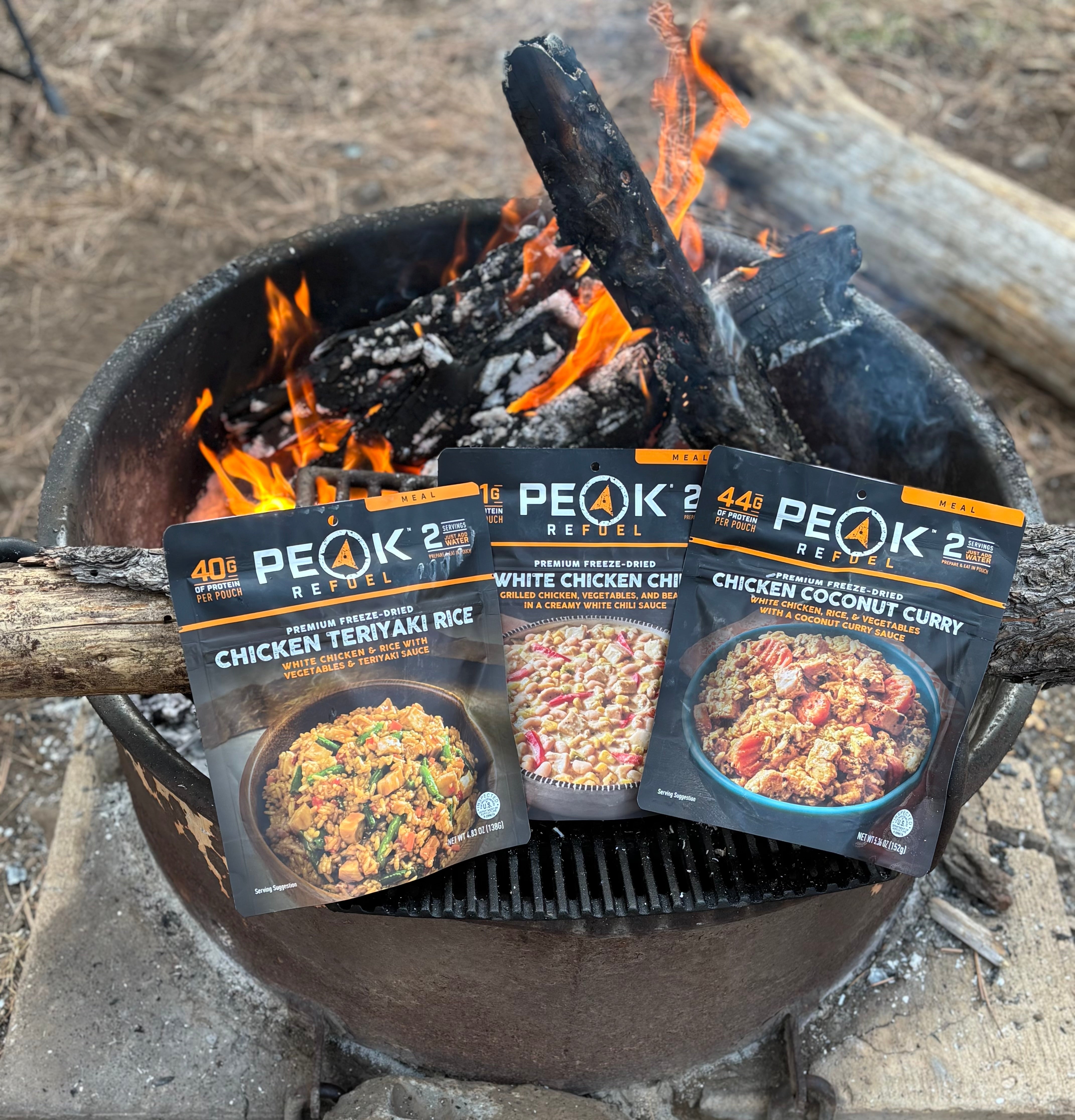
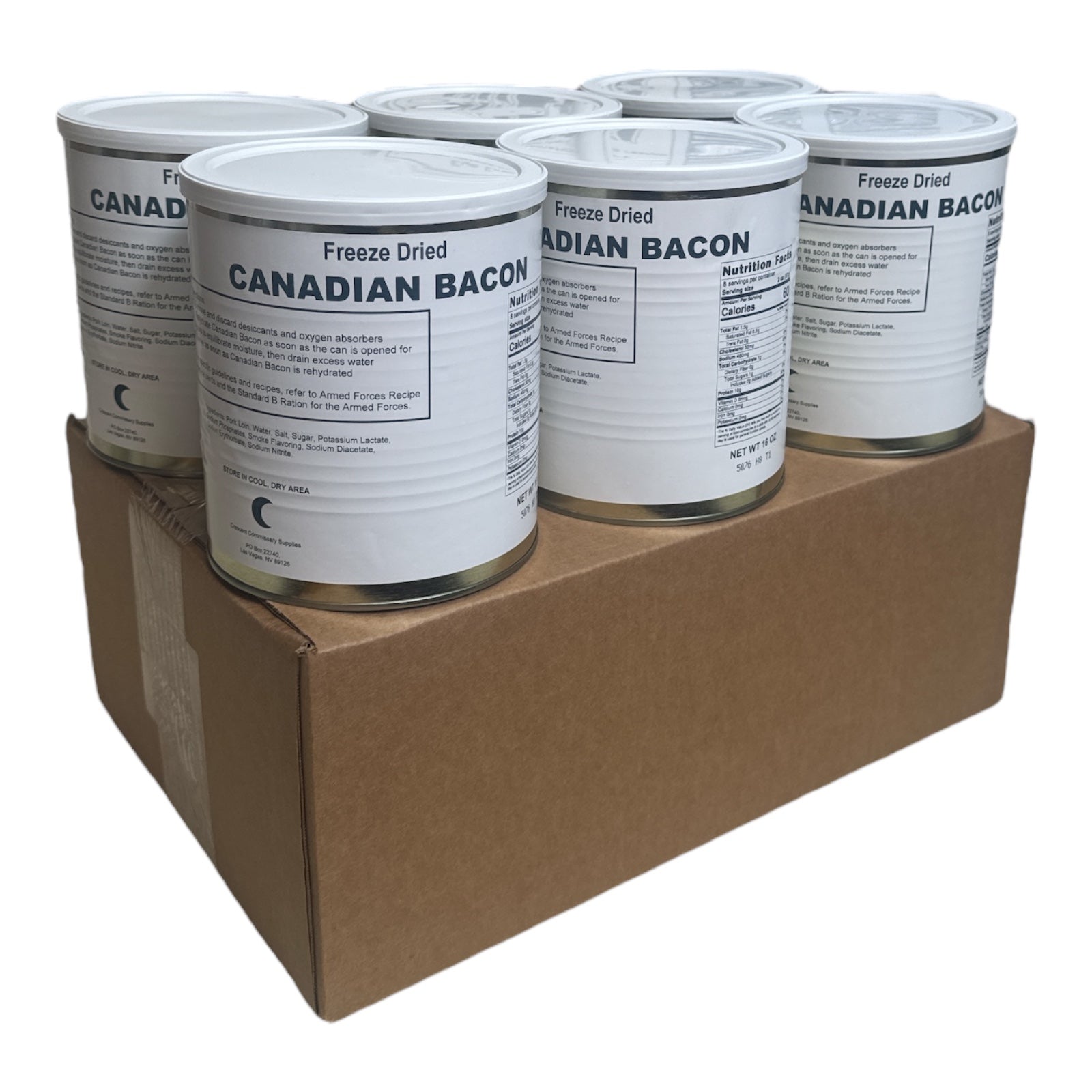
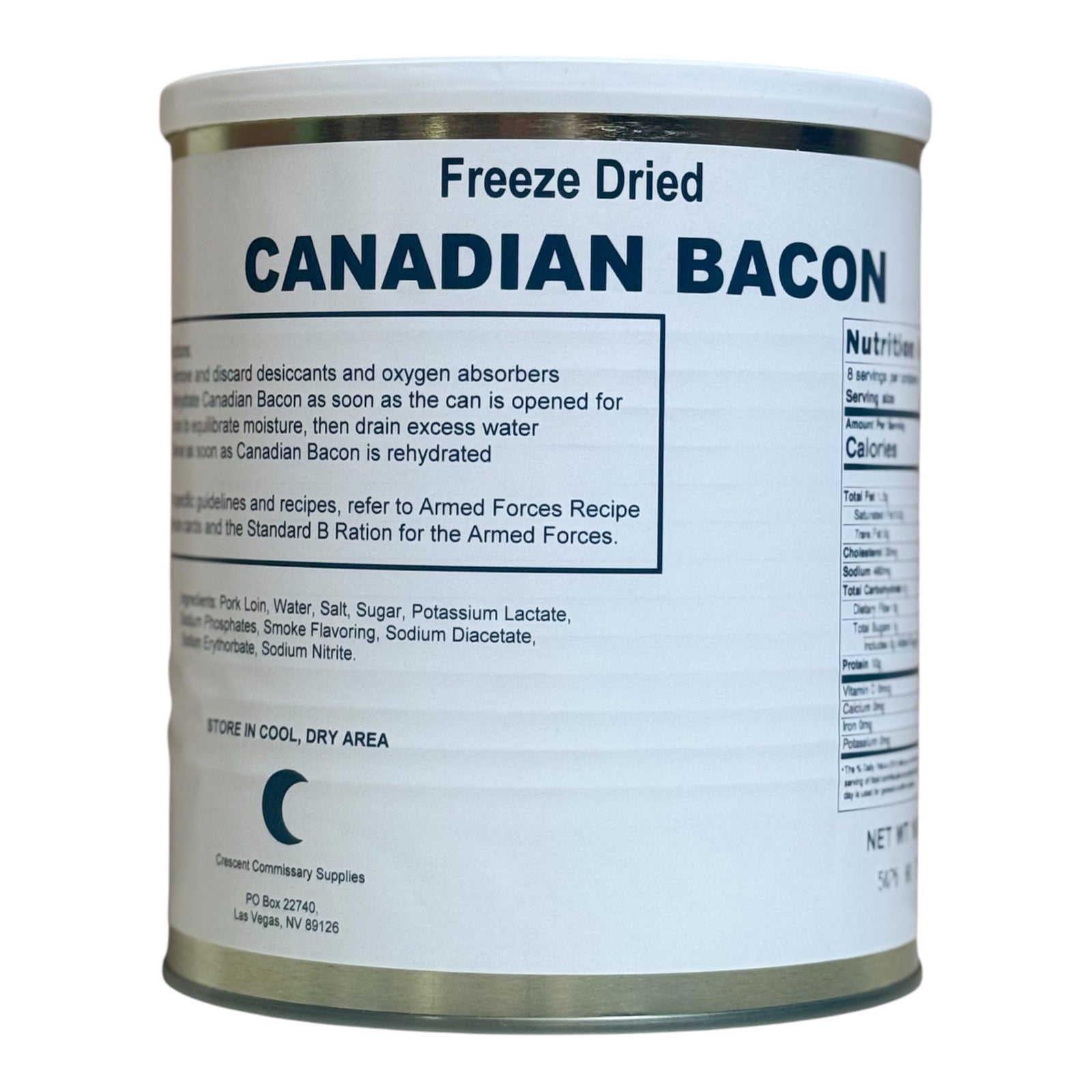
- Freeze-dried meals: Full entrees with 25 to 30 year shelf lives. Just add water, hot or cold. Ideal for long-term pantry storage and situations where you need a proper meal without cooking infrastructure. Brands like Yoder's and Future Essentials are stocked here.
- Canned survival food: Fully cooked, shelf-stable meat, vegetables, and staples in sealed cans. Ready to eat straight from the can if needed. Long shelf life and no preparation required, making these a reliable foundation for any emergency food supply.
- Military-style rations: Single-serving, field-ready food designed for use without a kitchen. Compact, calorie-dense, and practical for go-bags and vehicle emergency kits.
- Bulk dry staples: Long grain white rice, freeze-dried bread, and other pantry staples in large-format servings. The most cost-efficient way to build caloric volume for extended preparedness scenarios.
- Specialty items: Salt, condiments, and comfort foods for long-term storage. Often overlooked in emergency food planning, but important for maintaining variety and morale during extended disruptions.

How Much Emergency Food Do You Actually Need?
The standard minimum recommendation from FEMA and most emergency management agencies is a 72-hour food supply per person. Most preparedness experts consider that a floor, not a target. A two-week supply covers the majority of natural disaster scenarios. A three-month supply addresses extended grid-down situations and prolonged supply chain failures.
A practical baseline is 2,000 calories per adult per day for sedentary conditions, higher if you are doing physical work or managing stress. Product pages in this collection include per-serving and per-day caloric information to help you calculate what you need for your household size and target supply duration.
Building your supply incrementally works well. Adding a few items per month is a sustainable approach that most budgets can absorb without a large upfront spend.

Storing Emergency Food the Right Way
Long shelf life claims on emergency food assume proper storage conditions. Getting storage right significantly extends the effective life of your supply.
- Temperature: Store between 55 and 75 degrees Fahrenheit. Every 10 degrees above that range roughly halves the effective shelf life of most shelf-stable food products.
- Light: Keep away from direct sunlight. UV exposure degrades both packaging and nutrients over time.
- Moisture: Dry storage is essential. Avoid areas prone to humidity or flooding. Sealed cans and mylar pouches are more tolerant of humidity than cardboard packaging.
- Rotation: Even 25-year shelf life products benefit from a first-in, first-out rotation system. Use older stock first and replace it with new purchases.
Most products in this collection include storage guidance on their packaging. Follow the manufacturer recommendations for maximum shelf life.
Frequently asked questions
How long does emergency food actually last?
It depends on the product type and storage conditions. Freeze-dried meals in sealed cans or pouches typically carry a 25 to 30 year shelf life under proper storage. Canned survival food is generally rated for 10 or more years. Military-style rations are typically rated for 5 to 7 years. Shelf life is stated on every product page and on the packaging. Proper storage, cool temperatures, low humidity, and no direct light, is what makes those numbers realistic.
Does emergency food actually taste good?
Quality varies by brand and product, but it has improved significantly from older military surplus standards. The brands we stock are selected partly on palatability alongside shelf life and caloric density. That said, expectations should be calibrated: this is shelf-stable food designed for reliability, not restaurant meals. Most people who try it are pleasantly surprised, especially with the canned meat products and freeze-dried entrees from established brands.
How do I calculate how much food to buy for my family?
Start with 2,000 calories per adult per day as a baseline. For a family of four, a two-week supply requires roughly 112,000 calories total. Check the caloric information on each product page to calculate quantities. Our canned and freeze-dried products include per-serving calorie counts. If you want to cover a specific time window, divide your total calorie target by the calories per serving to get the number of servings you need.
Can I use this food for camping or backpacking, not just emergencies?
Yes. Freeze-dried meals in particular are popular for backpacking because of their light weight and simple preparation. Many customers use this collection for both everyday outdoor use and emergency preparedness. The overlap is one of the practical advantages of building a food supply around quality shelf-stable products.
What is the difference between freeze-dried and dehydrated survival food?
Freeze-drying removes approximately 98 percent of moisture from food while preserving texture, nutrition, and flavor better than traditional dehydration. Dehydrated food removes around 90 to 95 percent of moisture through heat, which affects texture and some nutrient content more than freeze-drying. Freeze-dried products generally have longer shelf lives and rehydrate more completely. Most of the premium long-term storage options in this collection are freeze-dried.
HAVE QUESTIONS OR NEED HELP CHOOSING THE RIGHT SURVIVAL GEAR? GET IN TOUCH WITH US TODAY – WE'RE HERE TO HELP!