Collection: Emergency Bulk Food Rations for Long-Term Preparedness
Most people discover their food supply is short the day the power goes out. By then, stores are picked clean and delivery isn't coming. Our Emergency Bulk Food Rations collection brings together high-calorie ration bars, freeze-dried meals, ready-to-eat options, and long-term bulk storage designed for power outages, storms, supply disruptions, and extended preparedness plans.
The people who rely on you need food that's shelf-stable, realistic to prepare, and already in place before anything goes wrong. Every product here was chosen for practical emergency use: calorie value, shelf life, packaging durability, storage efficiency, and simple preparation when conditions aren't ideal.


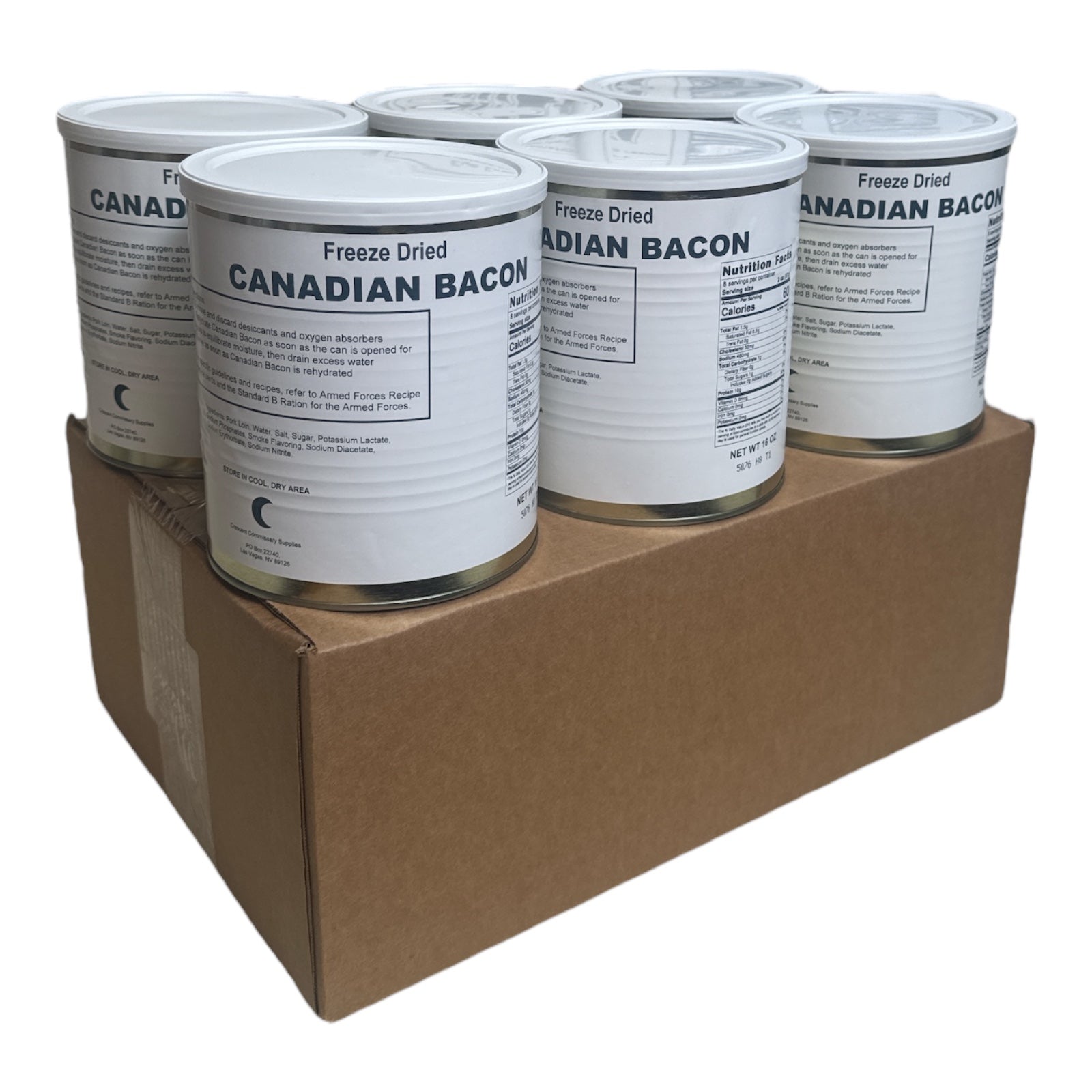
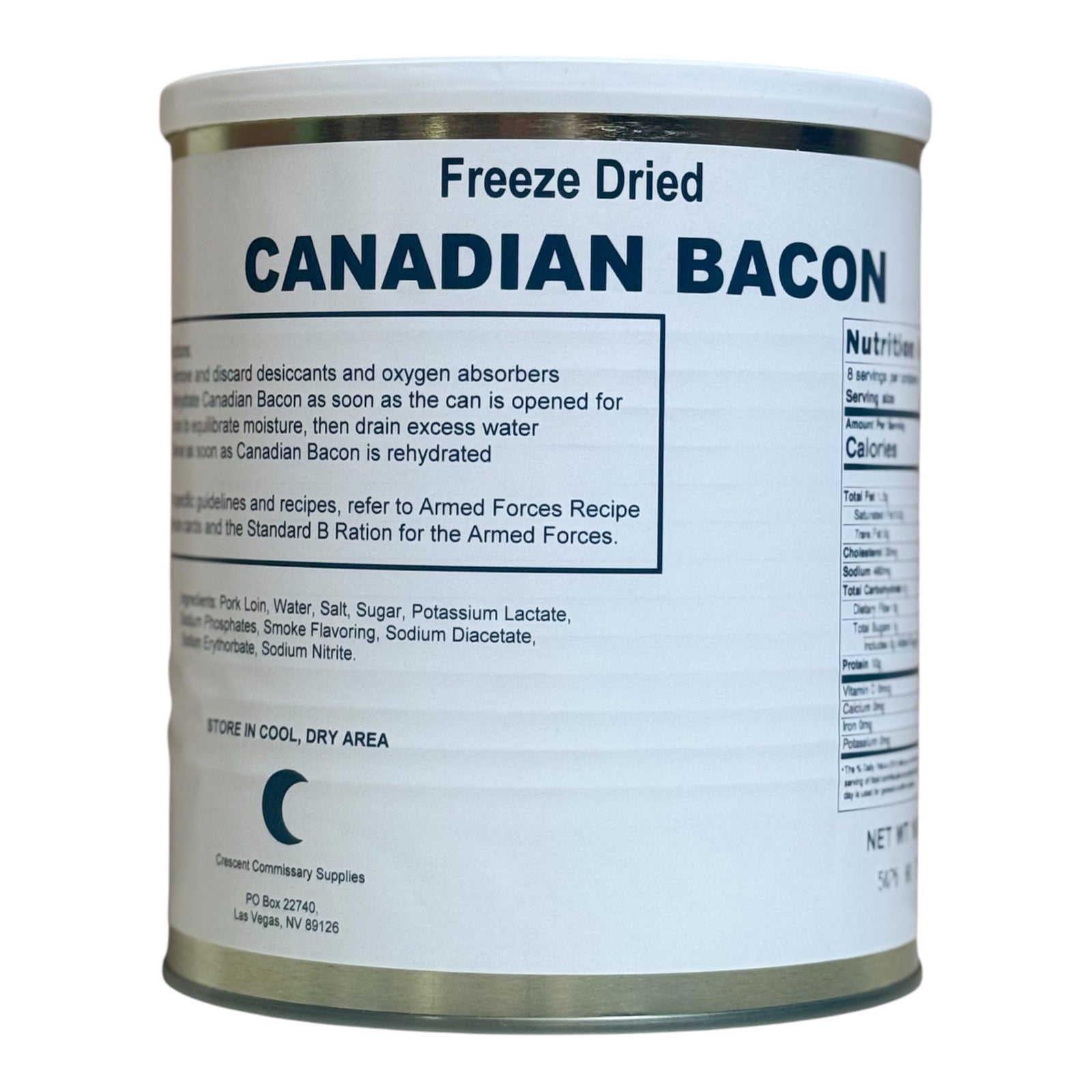


Types of Emergency Food Rations in This Collection
Emergency food covers multiple formats, and each solves a different problem. The right setup usually includes more than one type.
- Emergency ration bars: When the power goes out at 11pm and you need to feed children before they sleep, a ration bar is what works. No stove, no water, no prep time - just open it and eat. A single bar delivers 400+ calories. Keep them in your go-bag, vehicle kit, and workplace drawer so you're covered wherever you are when something goes wrong.
- Freeze-dried meals: If you're planning for more than 72 hours, freeze-dried meals are the backbone of a practical home food supply. They can last 25+ years sealed and stored correctly, and most only require water to prepare. Check the calorie counts and portion sizes on each product page - they vary significantly by brand.
- Bulk emergency food storage: Once your 72-hour baseline is covered, build toward two weeks. FEMA recommends two weeks of food for home preparedness. Bulk storage makes that achievable without buying everything at once - add to it gradually and store it somewhere you can actually access it.
- Ready-to-eat food options: When your stove is out, your cookware is packed, or you're moving fast, ready-to-eat options remove preparation entirely. No water, no heat, no wait. These are what you reach for in the first 24 hours of almost any emergency scenario.
- Shelf-stable staples: Building a deeper food reserve over time is often more sustainable than buying one large kit upfront. Shelf-stable staples round out your pantry without depending entirely on individual meal pouches. Add them gradually as budget and storage allow.
- Comfort and variety items: After 4-5 days on the same rotation, food becomes a morale issue - especially for children. A food plan that ignores variety tends to get abandoned. Include familiar flavors and a few items your family actually enjoys eating.
Figure out what your household actually eats, how many days you want to cover, and where you'll store it. That's the part most people skip until the shelves are already empty.

How Much Emergency Food Your Household Actually Needs
Serving counts on packaging tell you almost nothing useful. Calorie counts do.
The baseline: roughly 2,000 calories per adult per day. A family of four needs 8,000 calories a day to maintain basic function during a stressful situation - more in cold weather, during physical work, or for anyone with higher medical needs. Run that math against the number of days you're planning for. Three days is the minimum. FEMA recommends building toward two weeks for home preparedness.
Children need fewer calories than adults but require foods they'll actually eat under stress. Pets need their own supply - a medium dog eats roughly 1,000 calories of food per day. Anyone on prescription medication that requires food needs consistent intake at consistent times. A generic food plan misses all of this.
Freeze-dried meals need water to prepare. If your water supply is also limited, build in ration bars and ready-to-eat foods as a backup layer. Plan for your worst-case scenario, not your best-case one.
Most people think about emergency food after the shelves are already thin. Handle it now.

Storing Emergency Food So It Actually Lasts
Long shelf life only matters if the storage conditions hold. Heat, moisture, sunlight, pests, and damaged packaging can shorten the useful life of even well-made emergency food.
- Temperature: Don't store food in your garage if you have another option. Garages, attics, sheds, and vehicles can swing 40+ degrees between seasons, and heat degrades shelf life faster than anything else. A basement shelf or interior closet keeps temperatures stable year-round.
- Moisture: A single moisture incident can compromise packaging across an entire shelf. Keep food away from areas prone to leaks, flooding, humidity, or condensation. If your storage area gets damp, add sealed plastic totes as an extra layer of protection.
- Light: Direct sunlight degrades packaging and affects long-term quality. Store food in a dark cabinet, pantry, basement shelf, or sealed storage bin. This matters more for long-term storage than for items you rotate regularly.
- Packaging condition: Before you need your food supply is the right time to check it - not during a storm. Inspect cans, pouches, buckets, and seals for dents, swelling, punctures, broken seals, or pest damage at least twice a year.
- Rotation: First in, first out. Use older items, replace what you use, and keep expiration dates visible. Label purchase dates if the packaging doesn't show them clearly. Even 25-year freeze-dried food benefits from basic rotation discipline.
- Access: Emergency food buried behind three years of garage overflow doesn't function as emergency food. Store core supplies somewhere every adult in your household knows and can reach in under two minutes - not somewhere you'd have to excavate in a crisis.
Frequently asked questions
How do I calculate emergency food by calories instead of servings?
Start with 2,000 calories per adult per day as your baseline. Adjust for children (roughly 1,200-1,600 calories depending on age), cold weather, physical activity, and any medical needs. Multiply by the number of people and the number of days you're planning for. Then match that total against the calorie information on each product page - not the serving count.
What's the difference between ration bars and freeze-dried meals?
Ration bars are compact, ready-to-eat, and built for fast calories with zero preparation. Freeze-dried meals are closer to real food - more variety, better texture - but most require water, and ideally hot water. Use ration bars for go-bags, vehicles, and no-cook situations. Use freeze-dried meals for home storage and longer disruptions where you can actually prepare food.
Can emergency food be stored in a garage or vehicle?
Depends on the product and your climate. Garages and vehicles can reach extreme temperatures in both directions, which shortens shelf life faster than most people expect. If you keep food in a vehicle kit, choose ration bars or compact options rated for temperature variation, and inspect them at least twice a year. Don't store your primary food supply in a garage if you have another option.
What emergency foods work when I can't cook?
Ration bars, canned survival food, and most ready-to-eat options work without any preparation. Freeze-dried meals typically require water - most are better with hot water, though some can be eaten cold in a pinch. Your food supply should include both: no-cook calories for immediate situations and meal options for when water and some heat are available. Don't build a plan that depends entirely on cooking.
How long do bulk emergency food rations last?
Freeze-dried meals in sealed packaging can last 25 years under proper conditions - cool, dry, dark storage. Ration bars and ready-to-eat options typically carry shorter shelf lives, often 5-7 years. Check the product page for the rated shelf life, then store food away from heat, moisture, and light.
Should I buy a 72-hour food supply or start with long-term bulk storage?
Start with 72 hours. That covers the most common household emergencies: power outages, storms, short supply disruptions, delayed emergency response. Once that baseline is solid, build toward one week, then two weeks. Bulk storage makes sense after the short-term layer is already handled. A 6-month supply that can't cover a 3-day outage is a planning gap, not a preparedness plan.
HAVE QUESTIONS OR NEED HELP CHOOSING THE RIGHT SURVIVAL GEAR? GET IN TOUCH WITH US TODAY – WE'RE HERE TO HELP!