Collection: Homeland Attack Essentials: Defense & Survival Gear
Homeland attack essentials are built around the systems that matter most when infrastructure is strained, emergency response is delayed, or normal routines stop working. This collection brings together defense and survival gear, trauma kits, emergency communication tools, bug-out packs, off-grid power, food, water, hygiene supplies, and household sustainment gear for high-threat emergencies and prolonged disruptions.
Communication, medical readiness, clean water, food, power, and practical safety tools - have those in place before anything goes wrong. Every product here was selected for reliability, organization, portability, sustainment value, and the ability to support calm decisions under pressure.










High-Threat Preparedness Starts With Critical Systems
Homeland attack preparedness is about making sure your household can function when normal systems are disrupted: power, communication, medical response, transportation, water, food, sanitation, and personal safety.
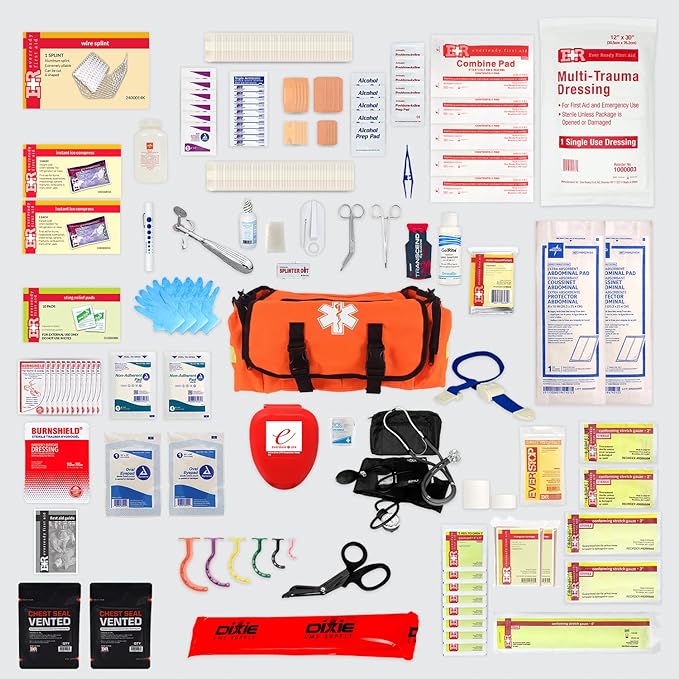
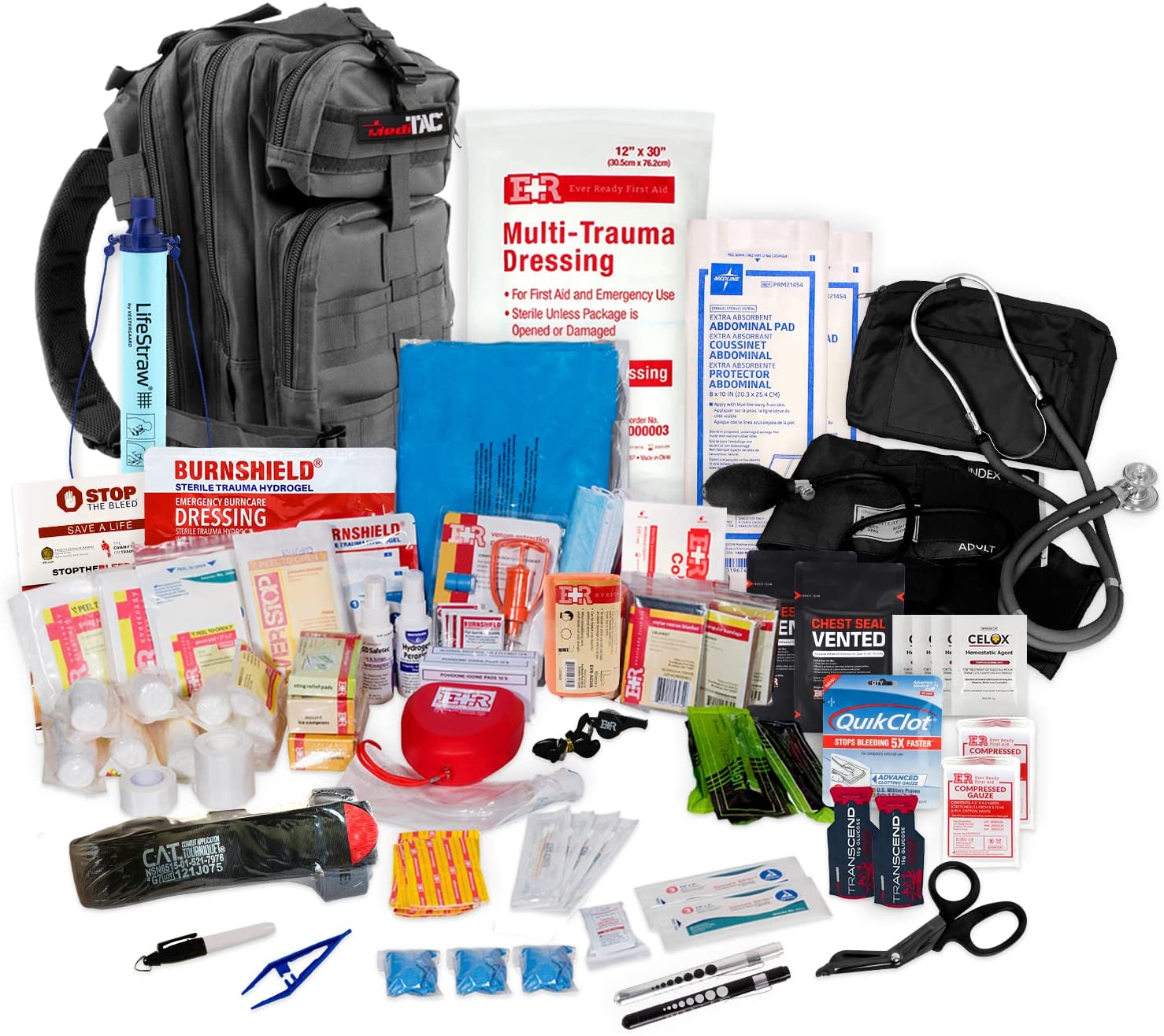
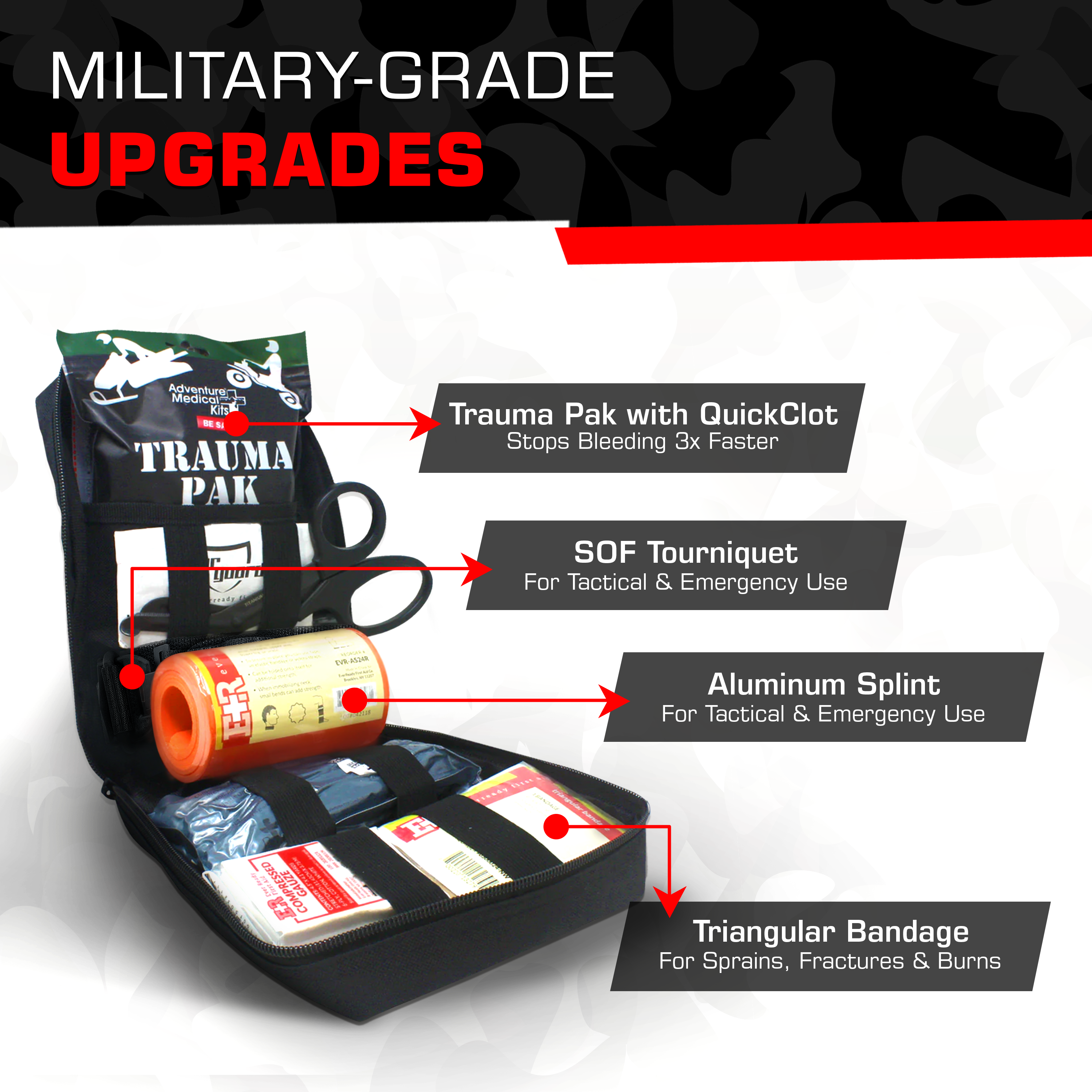
- Trauma and medical gear: When professional help is delayed or overwhelmed, what you have on hand is what stabilizes the situation. A basic first aid kit doesn't cover severe bleeding or fractures. Stock trauma supplies, pressure bandages, tourniquets, gloves, and antiseptic - and keep them organized so the right adult can find the right item in under a minute.
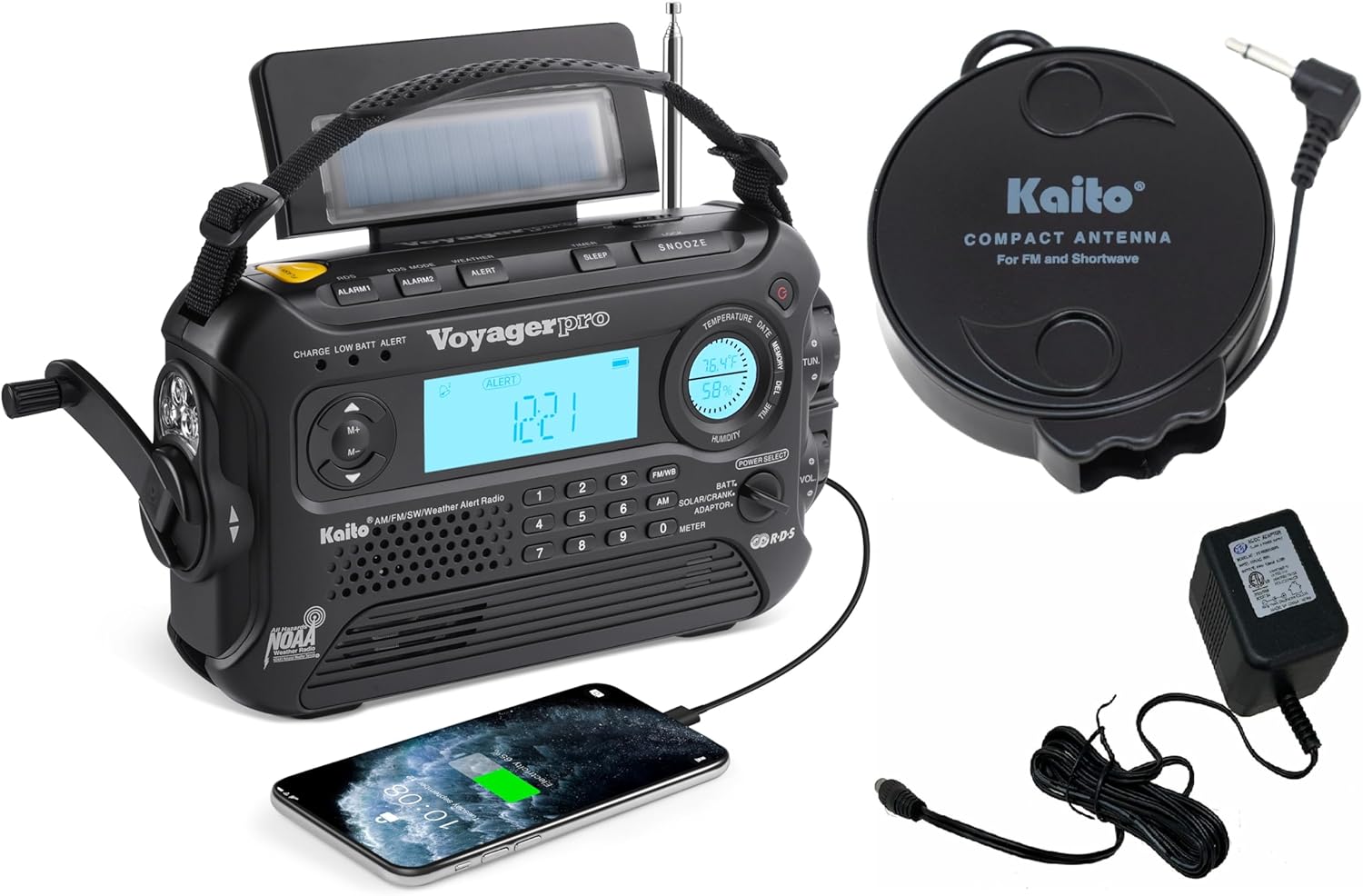
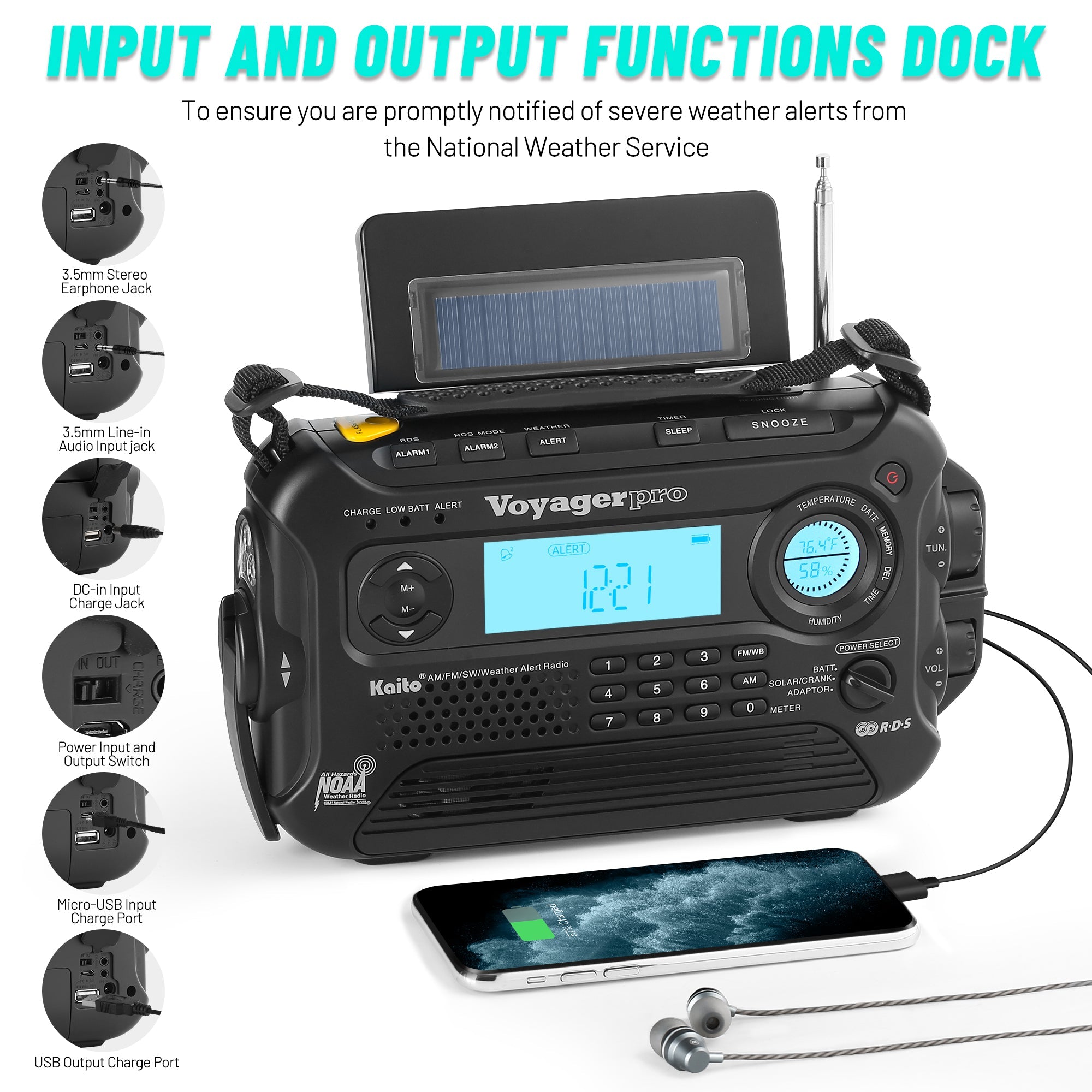
- Emergency communication tools: Cell networks go down in the same emergencies that knock out power. Know how you'll receive alerts and reach your family before that happens. A battery-powered radio and a written contact list cost almost nothing and work when your phone doesn't.
- Bug-out packs and evacuation gear: If staying becomes more dangerous than leaving, you need to move fast. Pack your evacuation bag before you need it - food, water, lighting, medical supplies, documents, weather protection, hygiene items, and communication tools. A bag that isn't packed in advance is a bag you won't have time to pack.
- Off-grid power and lighting: When the grid goes down, your phone, radio, medical devices, and lights all stop working on the same timeline. A portable power station and backup lighting keep the essential systems running until normal power returns.
- Food and water sustainment: When stores close, travel is restricted, or supply chains are interrupted, what you have at home is what your family eats and drinks. Shelf-stable food, stored water, portable filters, and ready-to-eat calories cover the gap until normal access returns.
- Hygiene and sanitation supplies: Sanitation failures cause more illness than most people expect during extended disruptions. When plumbing, trash pickup, or clean water access is unreliable, hygiene kits, waste management tools, gloves, and masks protect your household's health.

How Do I Set Up a Homeland Attack Essentials Kit?
Set up the kit in the order of what keeps you alive, one layer at a time, and take each to a working standard before the next:
- Communication: an emergency radio, a power bank, and a written contact list.
- Medical: a stocked trauma kit, organized and paired with basic training.
- Water: stored water plus a filter, one gallon per person per day.
- Power: a portable power station to keep phones, radios, and an air purifier running.
- Food: shelf-stable rations that need no store or stove.
- Air and plan: a sealed room with HEPA-plus-carbon filtration, and a written plan everyone can follow.
What to Prioritize When Infrastructure Fails
A serious emergency becomes harder when several systems fail at once. The strongest preparedness setup is layered so one disruption doesn't take the whole household down with it.
Communication comes first. Know how you'll receive alerts, contact family, and coordinate if phones are unreliable. Radios, charged power banks, written contact lists, and meeting plans matter more than most people expect. Medical response belongs close behind it, because professional help may be delayed during widespread disruption. Trauma gear should be accessible, organized, and understood by the responsible adults in the household.
Clean water and basic sanitation are immediate health priorities. Store water, keep filtration and purification options ready, and plan for sanitation if plumbing or municipal services are interrupted. Food planning should cover ready-to-eat calories, emergency ration bars, and shelf-stable meals that reduce dependence on stores or cooking infrastructure. Household size, children, medical needs, and pets all change the plan.
Backup power keeps phones, radios, medical devices, lighting, and small essentials running. Evacuation readiness matters too: documents, cash, medications, chargers, weather protection, and essential gear should be stored in a form that can move quickly.
Build the plan now, before confusion is the problem.

What Is the Best Air Purifier for a Nuclear Fallout Scenario?
No air purifier makes you safe from a nuclear attack on its own. The primary protection is sheltering: put distance, dense mass, and time between your family and the fallout, ideally in a basement or interior room. For the air inside, the best setup is a sealed room with a true-HEPA filter to capture radioactive fallout particulate, plus activated carbon to adsorb radioiodine and chemical gases that HEPA alone cannot stop.
In practice: get inside, seal windows, doors, and vents, turn off anything pulling in outside air, and run a HEPA-plus-carbon purifier kept powered by a portable power station; the same carbon stage handles a chemical release. CDC guidance is to get inside, stay inside at least 24 hours, and stay tuned. No purifier stops gamma radiation, so shielding comes first.

Defense, Safety, and Sustainment Belong in the Same Plan
In high-threat emergencies, household safety depends on more than defensive tools. It depends on awareness, communication, medical readiness, clean water, food, light, and a plan everyone can follow under stress.
- Awareness and early warning: The earlier you know something is wrong, the more options you have. Set up radios, alerts, motion lighting, and clear household communication so you're making decisions before a situation reaches your door, not after.
- Household coordination: Everyone in your home should know where to go, who to call, what to grab, and what the plan is if you get separated. Write it down. Walk through it once. Simple instructions work under pressure. Complicated ones don't.
- Responsible defensive posture: Any defensive tool in your home should be legal, stored where only responsible adults can access it, and understood by the people who may need to use it. Gear creates options. Overconfidence creates problems.
- Medical readiness: Know where your trauma kit is, know what's in it, and make sure at least one other adult in the household has gone through it. A kit nobody has opened is a kit that won't help when it matters.
- Sustainment: Food, water, power, hygiene, and sleep aren't secondary concerns during a high-threat situation. They determine how long your household stays functional and calm when stress runs high for days.
- Practice and maintenance: Test your radios. Charge your batteries. Rotate your food and water. Review the plan twice a year. Preparedness that only exists on paper fails the first time it's tested.
Fewer gimmicks, more useful systems, and gear that supports calm decisions when normal support is delayed. That's what this category is built around.
Frequently asked questions
What should be included in a homeland emergency kit?
A homeland emergency kit should cover communication, medical response, water, food, lighting, backup power, sanitation, documents, weather protection, and evacuation basics. For high-threat situations, trauma supplies, radios, power banks, water treatment, ready-to-eat food, and a clear family plan become especially important.
How is this different from a standard emergency preparedness kit?
A standard emergency kit covers short-term disruptions like storms or power outages. A homeland attack preparedness setup is built for more complex scenarios where communication, mobility, emergency services, supply access, and infrastructure may all be affected at once. The gear overlaps, but the planning is more layered.
What gear matters most if cell service goes down?
Radios, backup power, written contact lists, local maps, whistles, signal lights, and a family communication plan. Phones are still useful, but they shouldn't be the only way your household coordinates during a widespread emergency.
Why is trauma gear important in this type of preparedness?
During major emergencies, professional medical help may be delayed or overwhelmed. Trauma gear addresses severe bleeding and urgent injuries in the critical window before responders arrive. A kit should be organized, accessible, and paired with basic training so responsible adults know what each item is for.
Should a bug-out bag be part of this setup?
Yes, if it's built realistically. A bug-out bag supports evacuation, not fantasy scenarios. Include water, food, first aid, documents, lighting, chargers, weather protection, hygiene supplies, and essential personal items. Keep it light enough to carry and specific to your household.
How do I prepare without creating fear at home?
Keep the plan practical and calm. Focus on clear roles, reliable supplies, communication steps, and simple routines. Families don't need constant worst-case conversations. They need to know where supplies are, what to do if systems fail, and how to stay together or reconnect.
HAVE QUESTIONS OR NEED HELP CHOOSING THE RIGHT SURVIVAL GEAR? GET IN TOUCH WITH US TODAY – WE'RE HERE TO HELP!