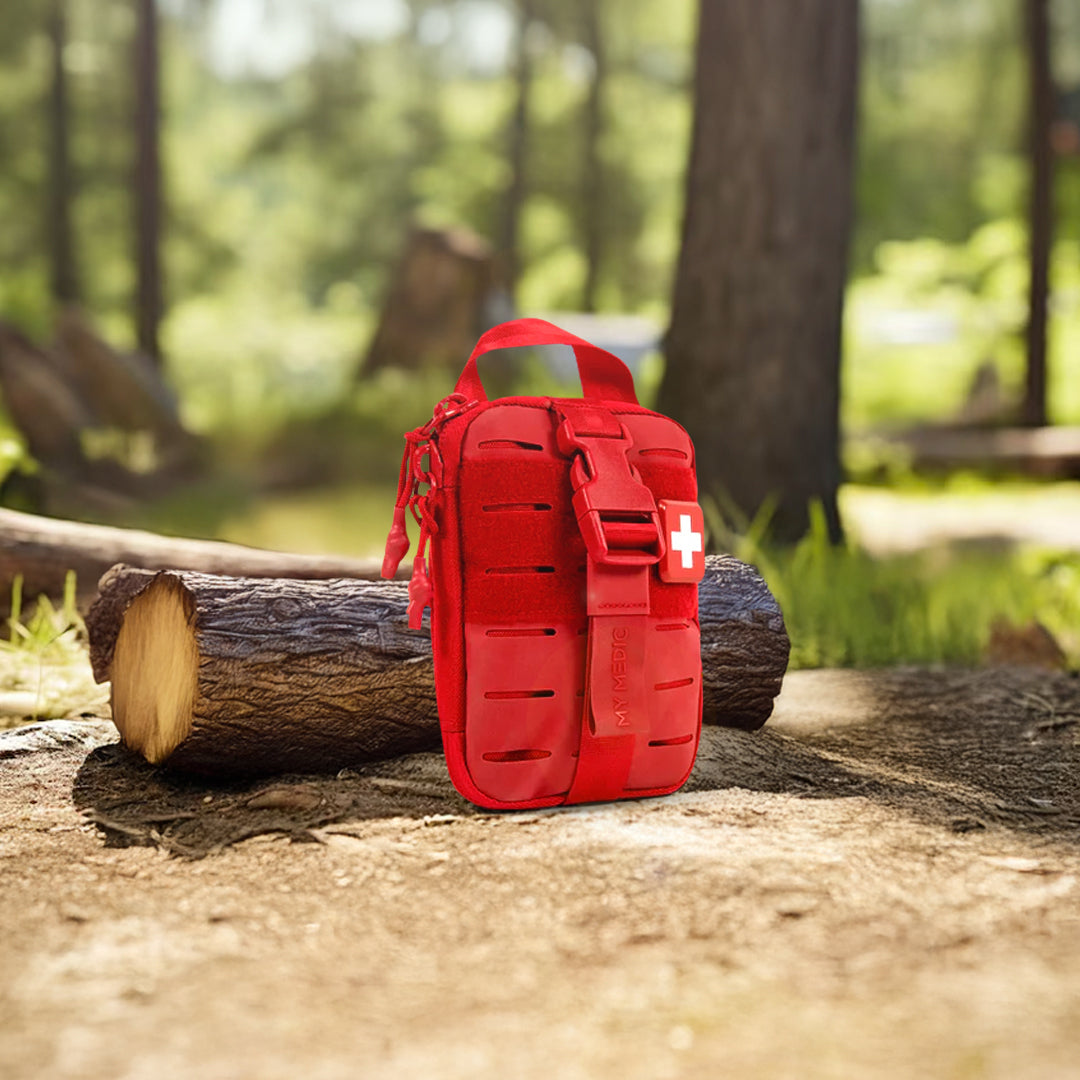
To prepare a pet for a hurricane, pack a pet kit with two weeks of food and water, medications, vaccination records, a labeled carrier, a leash, and a recent photo, and confirm your pet is microchipped with current contact details. Most public shelters accept only service animals, so line up a pet-friendly shelter, hotel, or inland host before the season starts, and never leave a pet behind when you evacuate.
Pets are the reason a lot of people make bad hurricane decisions. They stay in a surge zone because the nearest shelter will not take the dog, or they leave the cat behind expecting to be back the next day, and the next day turns into two weeks. After Hurricane Katrina, so many people refused to evacuate without their animals that Congress passed the PETS Act, which requires FEMA-funded emergency plans to account for household pets.
The fix is not complicated, but it has to happen before a storm is named. A packed pet kit, a confirmed place to stay, and current identification turn the pet question from a reason to stay into one more box already ticked.
What Do I Need to Prepare My Pet for a Hurricane?
You need five things: A pet kit with food, water, and medications, identification that works if you get separated, a way to transport and contain the animal, the records a shelter or hotel will ask for, and a confirmed place to stay if you evacuate. The kit below covers the supplies, packed in a waterproof bin or bag that you can grab with the family go-bags.
Here is what goes in it, and why each item earns its place.
|
Item |
What to pack |
Why it matters |
|---|---|---|
|
Food |
Two weeks of your pet’s usual food in airtight, waterproof containers |
Pet stores in the storm path close, and a sudden food change upsets digestion |
|
Water |
Two weeks of water, plus collapsible bowls |
Tap water may be unsafe after a storm, and pets dehydrate fast in heat |
|
Medications |
A two-week supply, plus written dosing instructions |
Veterinary offices close, and a boarding kennel or friend may be giving the doses |
|
Records |
Vaccination records, rabies certificate, and your vet’s contact details in a waterproof pouch |
Shelters, hotels, and kennels commonly require proof of vaccination |
|
Identification |
Microchip with current registration, a collar tag with your cell number, and a recent photo of you with the pet |
Separation is common, and a photo proves ownership at a reunification center |
|
Carrier and leash |
A sturdy carrier labeled with your name and number, a leash, and a harness |
Shelters require animals to be contained, and frightened pets bolt |
|
Sanitation |
Litter and a disposable tray, waste bags, paper towels, and disinfectant |
You may be in a hotel room, a car, or a shelter for days |
|
Comfort |
A familiar blanket or toy, and a crate cover |
Reduces stress in a strange, loud environment |
Keep the pet kit next to the rest of your storm supplies, and build the human side from a survival kit, water storage and filtration, and First Aid. A basic pet first aid kit, with gauze, self-adhesive wrap, and saline, fits alongside the family one.
How Much Water and Food a Pet Needs for Two Weeks
The common planning figure for dogs and cats is about one ounce of water per pound of body weight per day. That makes the math easy to run for your own animal, and it adds up faster than most people expect.
A 50-pound dog drinks roughly 50 ounces a day, which is about 5.5 gallons over two weeks. A 10-pound cat needs about 10 ounces a day, or a little over one gallon for the same period. Hot weather after a storm, with no air conditioning, pushes those numbers higher, so round up rather than down. Add the pet’s total to the household figure of one gallon per person per day rather than borrowing from it.
Food is simpler: Pack two weeks of whatever your pet already eats, measured by their normal daily portion. Rotate the stored bag into regular use every few months so it never goes stale, and replace it with a fresh one.
Can Pets Stay in Hurricane Shelters?
Service animals can stay in any public hurricane shelter, because the Americans with Disabilities Act requires shelters to admit them. Most general-population shelters do not accept pets, though, so a household pet is only allowed if you go to a designated pet-friendly shelter or a co-located shelter, where animals are housed in a separate area nearby and owners care for them.
Pet-friendly shelter options have grown since the PETS Act, but space is limited and rules vary by county. Most require the animal to arrive in a carrier or crate, with current vaccination records, identification, and enough food, water, and medication for its stay. Some take only dogs and cats. Check your county emergency management website before the season to find out which shelters accept pets, whether you need to pre-register, and what they require.
Emotional support animals are generally not covered the same way as service animals, so treat them as pets when planning, and confirm the rules with your local shelter rather than assuming.
Where Pets Can Stay If You Evacuate Inland
A shelter is the fallback, not the plan. Most pet owners do better with a destination arranged ahead of time, and there are four realistic options worth lining up.
Friends or family outside the surge zone are the easiest, since a familiar person and home keep the animal calmer. Pet-friendly hotels are the second option, and it pays to keep a short list of them along your evacuation route and to call early, because they fill quickly once an order is issued. Boarding kennels and veterinary clinics inland can take animals if you cannot, and a few will reserve space before the season. Finally, identify a pet-friendly shelter as a last resort, so that no version of the plan ends with leaving an animal at home.
Keeping Pets Safe If You Shelter at Home During a Hurricane
If you are outside an evacuation zone and staying put, bring every animal indoors well before the wind arrives, since pets sense the pressure change and often hide or run. Keep them in an interior room with you, with their carrier open and nearby in case you need to move quickly.
Plan for the same outage the rest of the household faces: Heat, darkness, and no running water. Battery lighting from Power & Light is safer than candles around curious animals, and a battery fan helps in a hot house. Keep a NOAA emergency radio on so you hear if conditions change. After the storm, keep pets leashed or contained, because familiar landmarks and scents are gone, and floodwater, downed power lines, and debris are dangerous to paws and noses.
The Pet Planning Mistakes That Separate Families From Their Animals
Almost every hurricane story of a lost or stranded pet traces back to one of a small number of avoidable decisions, and none of them involve buying the wrong gear.
The most damaging is leaving a pet behind on the assumption that you will be back soon. Evacuations routinely last longer than planned, and animals left inside, or tied up outside, have no way to escape rising water. The second is an out-of-date microchip, which is useless if it points to an old phone number. The third is assuming a shelter will take your pet without checking, then discovering at the door that it does not.
The rest are smaller but still costly: No vaccination records when a hotel or kennel asks for them, no carrier for an animal that normally roams free, and a first night in a strange place with no familiar food. Each one is fixed in a few minutes in June, and each one is very hard to fix once the storm is on the map. That is the quiet work of pet preparedness: Small, dull tasks done early, before anything goes wrong.
FAQ
What Do I Need to Prepare My Pet for a Hurricane?
You need a pet kit with two weeks of food and water, a two-week supply of medications, vaccination records and a rabies certificate in a waterproof pouch, a labeled carrier, a leash, sanitation supplies, and a recent photo of you with the pet. Make sure the pet is microchipped with current contact details and wears a collar tag, and confirm a pet-friendly place to stay if you evacuate, such as family inland, a pet-friendly hotel, or a designated pet-friendly shelter.
Can Pets Stay in Hurricane Shelters?
Service animals can stay in any public hurricane shelter, because the Americans with Disabilities Act requires shelters to admit them. Most general-population shelters do not accept household pets, which are allowed only at designated pet-friendly or co-located shelters. These typically require a carrier or crate, current vaccination records, identification, and your own supply of food, water, and medication. Check your county emergency management website before the season to find pet-friendly shelters and any pre-registration requirements.
How much water does a dog need for a two-week hurricane kit?
Plan on about one ounce of water per pound of body weight per day. A 50-pound dog needs roughly 50 ounces a day, or about 5.5 gallons for two weeks, while a 10-pound cat needs about 10 ounces a day, or a little over one gallon. Round up for hot weather after a storm, and add the pet’s total to the household supply of one gallon per person per day rather than drawing from it.
Should I leave my pet at home during a hurricane evacuation?
No. Evacuations often last far longer than expected, and pets left behind, whether inside or tied up outside, have no way to escape flooding or reach food and water. If you are ordered to evacuate, take your pets with you. If you cannot, arrange care in advance with family outside the area, an inland boarding kennel, or a veterinary clinic, so no version of your plan ends with leaving an animal at home.
What records do I need to bring for my pet when evacuating?
Bring current vaccination records, a rabies certificate, your veterinarian’s contact details, a list of medications with dosing instructions, microchip information, and a recent photo of you with the pet. Keep them in a waterproof pouch in the pet kit, with digital copies on your phone. Shelters, pet-friendly hotels, and boarding kennels commonly ask for proof of vaccination, and the photo helps prove ownership if you are separated.