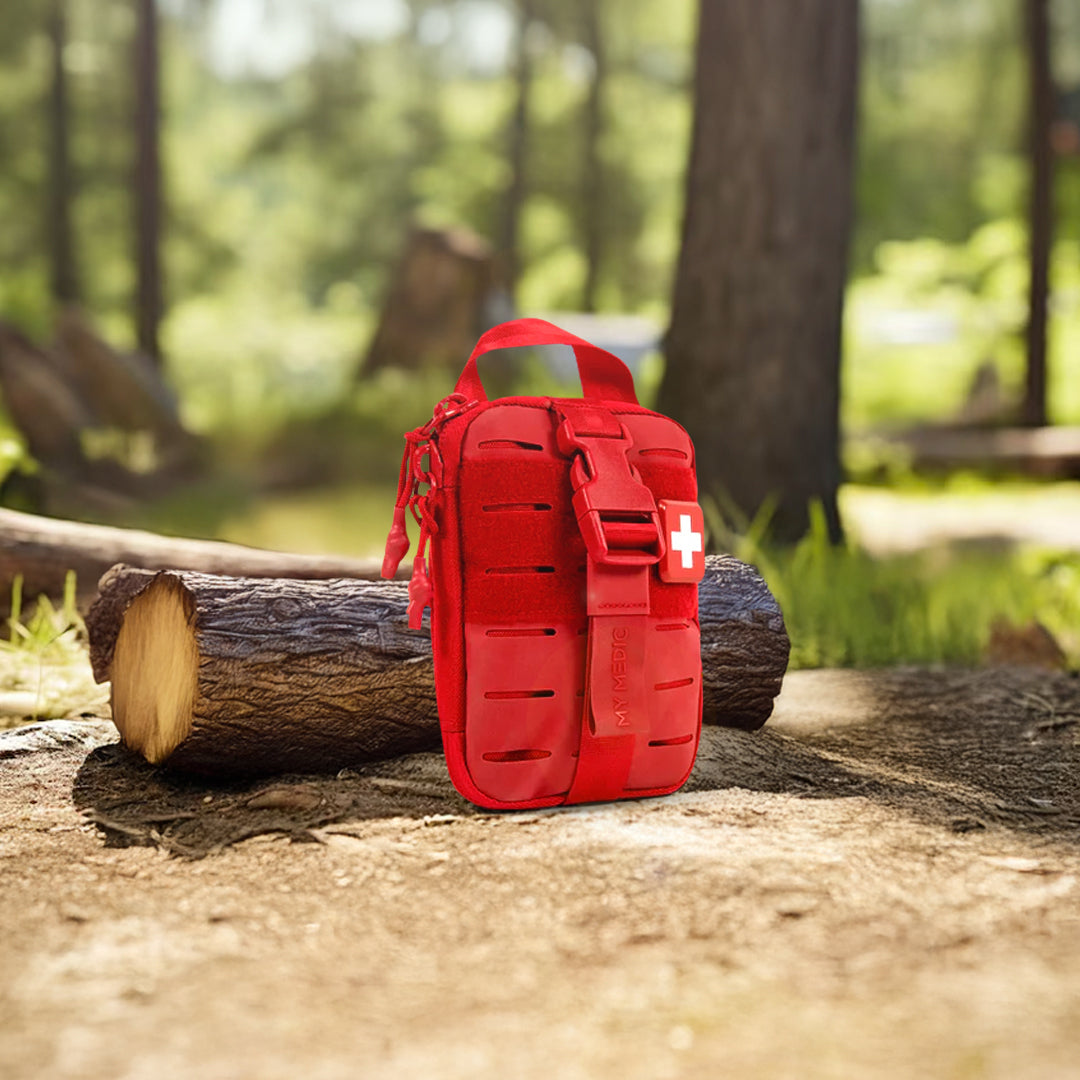
To prioritize emergency preparedness on a modest budget, buy one capability at a time in the order each keeps you alive: water and a filter first, then food, then light and backup power, then first aid, then communication, then warmth and shelter. Buy the cheapest high-impact item in each layer, take it to a working standard before the next, and spread the purchases across twelve months so the budget never strains.
If I were starting from zero today with a modest monthly budget, I would not buy a giant kit or panic-order a pallet of freeze-dried food. I would buy one capability at a time, in the order that each one keeps my family alive, spread across a year so it never strains the budget. This is that plan: the exact order I would buy in over 12 months, why each purchase comes when it does, and how to shift it to fit your situation.
The whole approach to how to prioritize emergency preparedness comes down to one rule. Buy what keeps you alive, in the order it keeps you alive, starting with the cheapest high-impact items. Do that, and every dollar goes to the thing that matters most at the moment you spend it.
What Is the Most Important Survival Gear to Buy First?
The most important survival gear to buy first is a way to make water safe to drink: a quality water filter, plus a few gallons of stored water behind it. Water is the thing you can least go without, and a filter is one of the cheapest high-impact purchases you can make, because it turns any questionable source into drinking water instead of leaving you with a fixed number of stored gallons. Start there, with water storage and filtration, before anything else.
From there the order follows how fast each gap hurts you: water, then food, then light and power, then first aid, then communication, then warmth and shelter. Fill the first to a working standard before moving to the next.
What Is the Best Order to Buy Emergency Preparedness Supplies?
The best order to buy emergency preparedness supplies is the order of survival priority, cheapest high-impact items first within each layer:
-
Water and a way to filter it.
-
Food: shelf-stable calories, built up over time.
-
Light and backup power.
-
First aid, plus the skills to use it.
-
Communication: weather and emergency information.
-
Warmth, shelter, and basic sanitation.
That is the sequence. The 12-month plan below simply spreads it across a year and then circles back to deepen the capabilities you lean on most. For the reasoning behind these priorities, our piece on why emergency kits fail and what experienced preppers prioritize goes deeper.
The 12-Month Plan, Month by Month
This assumes a small, steady monthly budget. Spend more and you move faster; spend less and you stretch it over 18 or 24 months in the same order. The sequence matters more than the pace.
|
Month |
Focus |
What to buy |
Why now |
|---|---|---|---|
|
1 |
Water |
A quality water filter plus a few gallons stored |
Cheapest high-impact capability, and you cannot go long without it |
|
2 |
Food, part 1 |
Two weeks of shelf-stable calories: staples plus canned food |
A calorie base covers the most common disruptions |
|
3 |
Light |
A headlamp for each person, a lantern, and spare batteries |
Hands-free light is the first thing you miss in an outage |
|
4 |
Power |
A power bank or small power station for phones and essentials |
Keeps communication and small devices alive |
|
5 |
First aid |
A real kit with trauma basics, and sign up for a first aid course |
Injuries do not wait, and skill matters as much as the kit |
|
6 |
Communication |
A hand-crank or battery NOAA weather radio |
Information is the first thing lost and the hardest to replace |
|
7 |
Warmth and sanitation |
Wool and emergency blankets, a non-grid heat option, basic hygiene |
Thermal safety is an hours problem, not a days problem |
|
8 |
Food, part 2 |
Extend to one month with sealed long-storage staples |
Depth on the capability you will lean on most |
|
9 |
Water, deepen |
More storage plus a backup filter |
Two is one for the capability you cannot skip |
|
10 |
Power, deepen |
A folding solar panel or an expandable power station |
Turns stored power into renewable power |
|
11 |
Vehicle and go-bag |
A car kit (jump starter, tire tools, window breaker) and a grab-and-go bag with documents |
Emergencies do not only happen at home |
|
12 |
Redundancy and review |
Fill gaps, back up critical capabilities, set a maintenance schedule, practice |
A plan you never test is only a guess |
By month twelve you have gone from nothing to a household that can make water, feed itself for a month, keep the lights and phones on, treat an injury, hear a weather alert, stay warm, and handle a breakdown on the road. Shop the categories in disaster preparedness, food rations, power and light, first aid, and roadside emergencies as each month comes up.
How to Prioritize Emergency Preparedness Purchases on a Budget
On a tight budget, the plan does not change, only the pace. Set a monthly amount you will not miss, buy the single highest-impact item you can afford that month in the order above, and never skip ahead to a shiny item out of sequence. A few principles keep the money working:
-
Cheapest high-impact first. A water filter and a case of staples protect you more per dollar than any gadget.
-
Buy once, buy right. A quality item you keep for a decade beats a cheap one you replace twice. This is where spending a little more actually saves money.
-
Capability over quantity. A filter that processes water beats a bigger pile of bottles. Spend on the thing that renews.
-
No panic buying. Prices spike and shelves empty exactly when everyone else is buying. Steady monthly purchases beat one anxious spending spree.
For the food layer specifically, the cheapest path is a base of bulk staples you store yourself. Our 1-year emergency food supply guide shows how to build that without overspending.
Adjusting the Plan for Your Situation
-
Rural property: Move backup power and water up the list, since help is farther away and a well pump needs electricity. The off-grid and homestead gear matters sooner.
-
City apartment: Emphasize a go-bag and evacuation readiness earlier, since sheltering in place may not be the plan.
-
Families with children, pets, or medical needs: Add those specifics into the relevant month rather than treating them as an afterthought.
-
Climate: Cold regions move warmth up; hot or wildfire regions move cooling, air filtration, and evacuation up.
-
Already have some of this: Skip what you own to a working standard and start at the first real gap. Do not re-buy to feel busy.
The Mistakes That Waste the First Year
-
Buying breadth before depth. A little of everything leaves you with enough of nothing. Finish each layer before widening.
-
Blowing the budget on one shiny item. A big generator in month one while you still cannot make water safe is out of order.
-
Gear without skills. Buy the first aid kit and take the course. An unused capability is not a capability.
-
Skipping maintenance. Month twelve exists for a reason. Rotate food and water, test power, and check gear on a schedule.
-
Waiting for the perfect plan. Month one, a water filter, this week, beats a perfect spreadsheet you never act on.
None of this requires a survivalist budget or a spare room. It requires a small amount of money, spent in the right order, every month for a year. That is the quiet work of getting a household genuinely ready, one deliberate purchase at a time, before anything goes wrong.
FAQ
How do I prioritize emergency preparedness purchases on a budget?
Set a monthly amount you will not miss, then buy the single highest-impact item you can afford that month in survival-priority order: water and filtration first, then food, then light and backup power, then first aid, then communication, then warmth and sanitation. Buy the cheapest high-impact items first, choose quality so you buy once, favor capability over quantity, and avoid panic buying. On a tight budget you stretch the same order over 18 or 24 months rather than 12.
What is the best order to buy emergency preparedness supplies?
Buy in the order of survival priority: water and a way to filter it, then shelf-stable food, then light and backup power, then first aid and the skills to use it, then communication, then warmth, shelter, and sanitation. Take each layer to a working standard before moving to the next, then circle back to deepen the capabilities you rely on most, such as water and food.
What is the most important survival gear to buy first?
A way to make water safe to drink: a quality water filter plus a few gallons of stored water. Water is the thing you can least go without, and a filter is one of the cheapest high-impact purchases available, because it turns questionable water into drinking water rather than leaving you with a fixed number of stored gallons. Buy water capability first, then food, then light and power.
How much should I spend on emergency preparedness each month?
Spend an amount you will not miss and can sustain every month, even if that is small. Consistency matters more than the size of any single purchase, because a steady monthly habit builds a complete kit in the right order without a large one-time expense. Spending more moves you through the 12-month plan faster; spending less simply stretches the same order over more months.
What if I can only buy one thing?
Buy a quality water filter. It is inexpensive, and it addresses the need you can least go without by turning almost any water source into safe drinking water. Pair it with a few gallons of stored water if you can, and make water your first capability before moving on to food, light, and power.