The safest place in your house during a tornado is a FEMA-standard safe room or storm cellar, followed by a basement, away from windows and from heavy objects on the floor above. Without a basement, go to a small interior room on the lowest floor with no windows, such as a bathroom, closet, or hallway, and put as many walls as possible between you and the outside. Garages, upper floors, and rooms with windows are the most dangerous.
When a tornado warning hits, you rarely have more than a few minutes, and that is not the moment to debate which room to use. The decision has to be made now, in calm weather, with everyone in the house knowing where to go without being told.
The principle behind every good choice is the same: Get as low as possible, as far from the outside walls and windows as possible, and into the smallest, most enclosed space you can. Below, every room in a typical home is ranked by that principle, along with what to do if you have no basement, live in an apartment, or have a two-story house.
Where Is the Safest Place in a House During a Tornado?
The safest place is a purpose-built safe room or storm shelter, because it is engineered to withstand tornado-force winds and flying debris. If you do not have one, a basement is next best, since being below ground level protects you from most of the debris that causes tornado injuries. In a basement, shelter under a sturdy workbench, heavy table, or the staircase, and stay clear of the area beneath heavy furniture or appliances on the floor above, which can fall through if the floor fails.
Without either, the safest place is a small interior room on the lowest floor, with no windows and no exterior walls. The more walls, framing, and structure between you and the outside, the better your odds.
Every Room in the House Ranked From Safest to Most Dangerous
Here is how the rooms in a typical single-family home compare, from best to worst, and the reason for each ranking.
|
Room |
Safety |
Why |
|---|---|---|
|
Safe room or storm cellar |
Best |
Engineered to resist tornado winds and debris impact |
|
Basement |
Very good |
Below ground, protected from most flying debris; avoid spots under heavy objects upstairs |
|
Interior bathroom, lowest floor |
Good |
Small room, extra framing, and plumbing that helps anchor walls; no exterior walls if chosen well |
|
Interior closet, lowest floor |
Good |
Small, enclosed, surrounded by interior walls |
|
Interior hallway, lowest floor |
Fair to good |
Interior walls on both sides; better when it has no windows or exterior doors at either end |
|
Under the stairs, ground floor |
Fair to good |
The staircase adds structure overhead; best when it sits away from exterior walls |
|
Bedroom or office with windows |
Poor |
Windows shatter and turn into debris; exterior walls fail first |
|
Kitchen |
Poor |
Usually has windows and heavy appliances and cabinets that can fall or shift |
|
Living room or open great room |
Poor |
Large open spans and big windows are among the first parts of a house to fail |
|
Upper floors and attic |
Very poor |
Highest exposure to wind; roofs and upper walls are the first to go |
|
Garage |
Very poor |
Wide doors fail easily, and stored vehicles, tools, and chemicals become hazards |
Notice the pattern. The safe rooms are small, low, and interior. The dangerous ones are large, high, or full of glass. When in doubt, pick the smallest room on the lowest floor that does not touch an outside wall.
What Is the Safest Room in a House Without a Basement?
In a house without a basement, the safest room is a small interior room on the lowest floor with no windows, usually an interior bathroom, closet, or hallway. Choose the one surrounded by the most interior walls and farthest from exterior walls, doors, and glass. A windowless bathroom in the middle of the house is often the best option, because its small size and the framing around plumbing add strength.
Once you are inside, get as low as possible, ideally on the floor, and cover your head and neck. If you are in a bathroom, getting into the bathtub and pulling a mattress or heavy blankets over you adds a layer of protection against falling debris. In a hallway, crouch low against an interior wall, away from either end.
Is a Bathroom or a Closet Safer During a Tornado?
Both can be excellent choices, and the better one is whichever is more interior and has no windows. A closet in the center of the house beats a bathroom with a window on an outside wall, and a windowless interior bathroom beats a closet that shares a wall with the outside.
Bathrooms have one practical advantage: The tub gives you a low, enclosed spot to lie in, and you can cover yourself with a mattress or cushions. Closets have their own: They are often the smallest room in the house, and small rooms tend to hold together better than large ones. Pick the one that best fits the rule of most walls, lowest floor, and no glass, and make that the household’s designated spot.
Safest Places in Apartments, Condos, and Two-Story Homes
In a two-story house, always go down. The ground floor is far safer than the second, even if the second-floor room seems more enclosed, because upper floors take the strongest winds and are the first to be damaged.
In an apartment or condo, the safest place is an interior hallway, stairwell, or room on the lowest floor of the building, away from windows. If you live on an upper floor and cannot reach a lower floor safely in time, go to the most interior room or hallway on your level and get low. Many apartment buildings designate a shelter area, so find out where yours is before storm season, and never use an elevator during a tornado warning, since power failures can trap you.
If you live in a mobile or manufactured home, no room inside is safe. Plan in advance to go to a sturdy building or community storm shelter as soon as a tornado watch is issued, so you are not trying to move during a warning.
How to Protect Yourself Once You Reach the Safest Room
Choosing the right room is most of the job, but how you shelter inside it matters too. Get down low, face away from any door, and cover your head and neck with your arms. Helmets are one of the most effective additions, because head injuries from debris are a leading cause of tornado deaths, so keep one per person where you shelter. Wear sturdy shoes, since the ground after a tornado is covered in broken glass and nails, and pull a mattress, sleeping bag, or heavy blankets over yourself if you can.
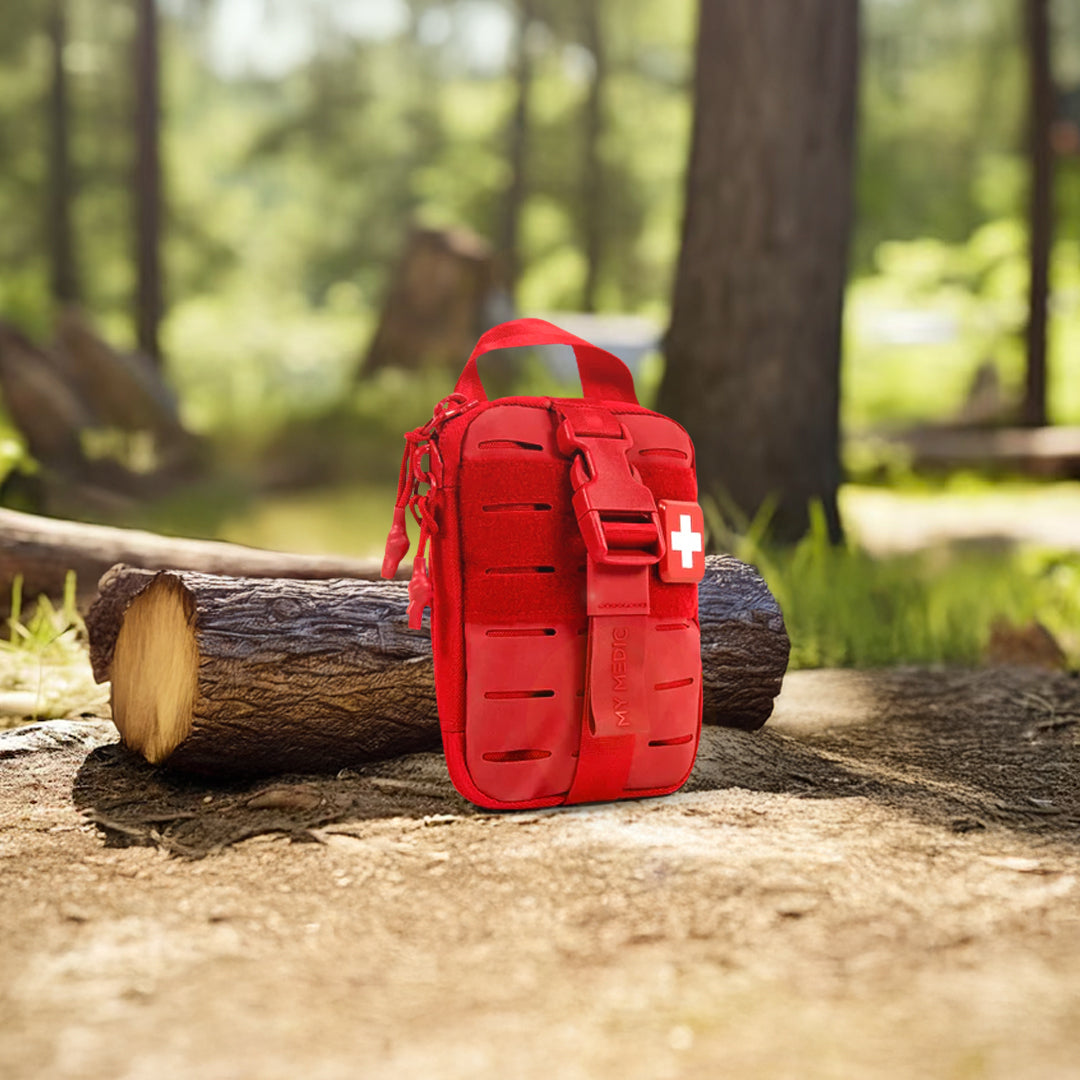
Keep a small kit in or next to your safest room so it is there when you are: A headlamp per person and a lantern from Power & Light, a NOAA emergency radio so you know when the warning has expired, a First Aid kit, water, and a whistle in case you need to signal for help. A ready-made survival kit covers most of that in one bin.
Tornado Safety Myths That Send People to the Wrong Room
A few long-repeated pieces of advice still lead people to the wrong place, and each one is worth unlearning before the next storm season.
The first is the idea that the southwest corner of a basement is the safest spot. It is not reliably safer than any other corner, because debris can come from any direction. What matters is staying clear of anything heavy on the floor above and getting under something sturdy. The second is opening windows to equalize pressure. It does nothing to protect the house, wastes time you need to get to shelter, and puts you next to the glass. The third is that a highway overpass is a good place to shelter if you are caught outside. It is one of the most dangerous places to be, because it can channel wind and debris and leaves you above ground. The last is that a bathtub alone will protect you. A tub helps, but only when it is in an interior room on the lowest floor and you are covered.
Preparing Your Safest Room Before Storm Season
Pick your room now, while the weather is calm, and tell everyone in the house. Clear it of clutter so the whole family fits quickly, and move anything heavy that could fall, such as shelving or stored boxes, away from where people will sit. Store helmets, shoes, and the kit there, and walk through the move once with children so they know exactly where to go.
Then check it each spring: Fresh batteries, a working radio, and a path to the door that stays clear year-round. That is the quiet work of tornado safety. It costs almost nothing, and it means the safest place in your house is ready and known to everyone before anything goes wrong.
FAQ
Where Is the Safest Place in a House During a Tornado?
The safest place in a house during a tornado is a FEMA-standard safe room or storm cellar, followed by a basement. In a basement, shelter under a sturdy workbench, heavy table, or the stairs, and stay clear of the area under heavy furniture or appliances on the floor above. Without a basement, go to a small interior room on the lowest floor with no windows, such as a bathroom, closet, or hallway, and cover your head and neck.
What Is the Safest Room in a House Without a Basement?
In a house without a basement, the safest room is a small interior room on the lowest floor with no windows, usually an interior bathroom, closet, or hallway. Choose the one with the most interior walls and the greatest distance from exterior walls, doors, and glass. A windowless interior bathroom is often best, and getting into the tub with a mattress or heavy blankets over you adds protection from falling debris.
Is a basement corner safer during a tornado?
No particular corner is reliably safer. The old advice to use the southwest corner is a myth, because tornado debris can come from any direction. What matters in a basement is staying out from under heavy objects on the floor above, such as a piano, refrigerator, or bookcase, and getting beneath something sturdy like a workbench, a heavy table, or the staircase.
Should I open windows during a tornado?
No. Opening windows to equalize pressure does not protect a house, and it wastes the minutes you need to get to shelter while putting you next to glass that can shatter. Leave the windows closed and go directly to the safest room on the lowest floor of your home.
Is a bathtub safe during a tornado?
A bathtub can be one of the better places to shelter, but only if it is in an interior bathroom on the lowest floor without windows. The tub gives you a low, enclosed spot, and the framing around plumbing can add strength to the walls. Cover yourself with a mattress, sleeping bag, or heavy blankets, and protect your head and neck. A tub in an upper-floor bathroom or next to an exterior window is not a safe choice.