Before a blizzard, stock at least 72 hours of water, food, and medications, a backup heat source, flashlights, and a NOAA radio, and put a winter kit in your car. During a blizzard, stay indoors and off the roads, keep one room warm, and run any generator outside, well away from the house. If you are stranded in a vehicle, stay with it and run the engine about 10 minutes each hour with the exhaust pipe cleared.
A blizzard is not just a heavy snowfall. The National Weather Service defines it by wind and visibility: Large amounts of falling or blowing snow, winds over 35 miles per hour, and visibility below a quarter mile for at least three hours. That combination is what makes blizzards so dangerous. Roads disappear in whiteout, power lines come down under wind and snow load, and a short trip can turn into a night stranded in a car.
Most blizzard deaths come from a few predictable causes: Hypothermia in stranded vehicles and unheated homes, carbon monoxide from improper heating, and overexertion. The good news is that nearly all of them are preventable with a bit of preparation and a few firm rules once the storm arrives. These blizzard safety tips cover both. For what each winter weather alert means and how to handle ice storms, see our companion guide to winter storm safety tips.
What Should You Do Before a Blizzard?
Before a blizzard, prepare your home to run without power or heat for several days, prepare your car in case you are caught on the road, and finish any errands before the storm arrives. The work splits into a handful of categories, and almost all of it can be done in a single afternoon once a winter storm watch is issued.
Here is what to have ready before the snow starts.
|
Area |
What to have ready |
Why it matters |
|---|---|---|
|
Water |
One gallon per person per day for at least 72 hours |
Pipes can freeze, and well pumps stop without power |
|
Food |
Three days or more of no-cook, shelf-stable food |
You may not be able to cook, and roads may close for days |
|
Heat |
A safe backup heat source, extra blankets, sleeping bags, and warm layers |
Losing heat is the main danger in a long outage |
|
Light and power |
Flashlights, headlamps, spare batteries, and charged power banks or a power station |
Wind and heavy snow bring down power lines |
|
Information |
A NOAA hand-crank and solar radio |
Storm updates and road closures when the power and cell service fail |
|
Safety |
Working carbon monoxide and smoke detectors with fresh batteries |
Backup heating raises carbon monoxide and fire risk |
|
Medications |
At least a week of prescriptions and a first aid kit |
Pharmacies close and roads may stay impassable |
|
Vehicle |
A winter car kit and a fuel tank kept at least half full |
A breakdown or closed road can strand you in the storm |
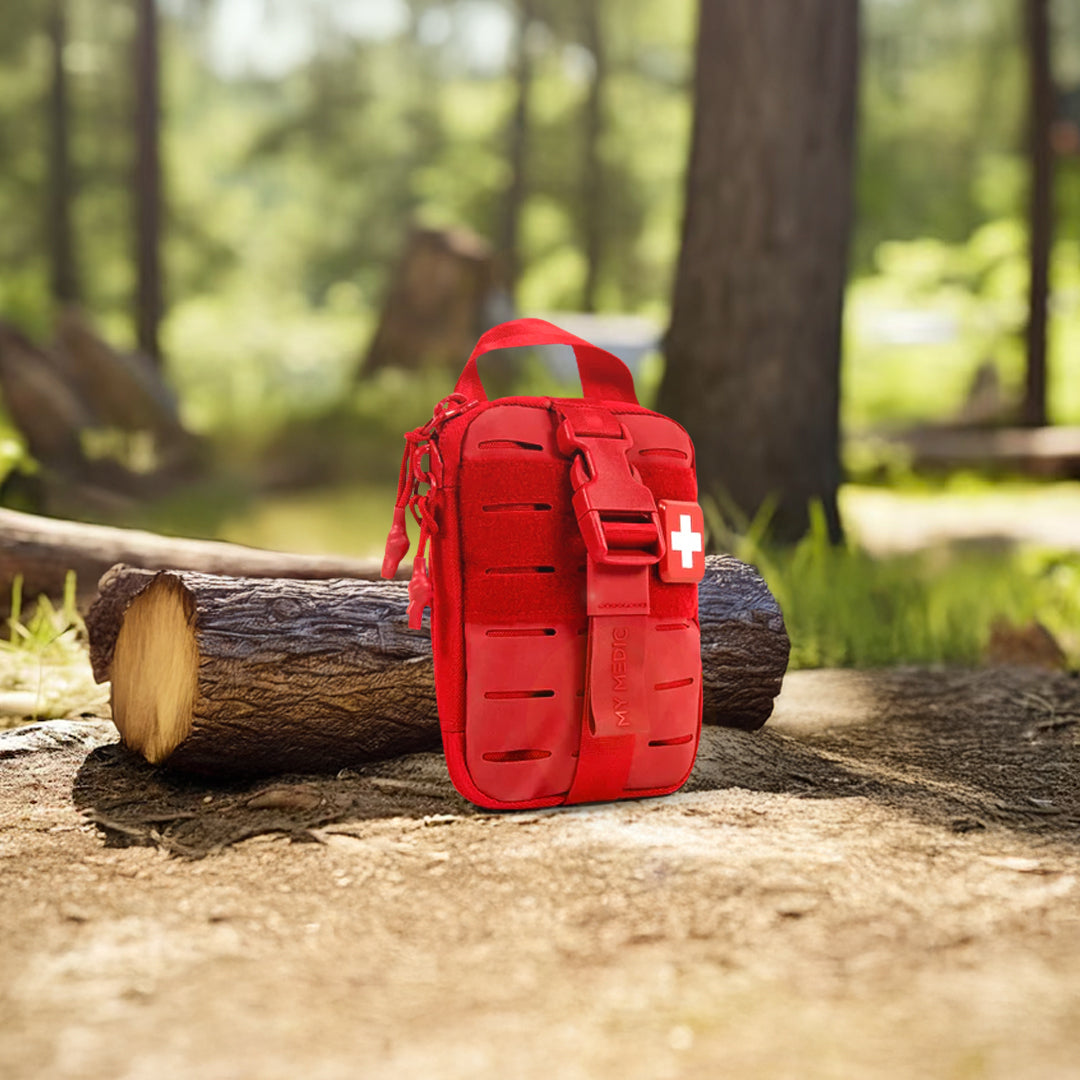
Build the home side from water storage and filtration, Food Rations, Power & Light, and Emergency Radios, and keep a First Aid kit within reach. A ready-made survival kit covers most of the basics in one place.
Preparing Your Home for a Blizzard and a Long Power Outage
A blizzard’s worst effects at home come from losing power and heat, so the priority is staying warm safely for several days. Choose one interior room to keep heated, close off the rest of the house, and gather blankets, sleeping bags, and layers there. Know exactly how you will heat that room if the furnace fails, and make sure the method is safe indoors.
Fuel-burning heat is where people get hurt. Never use a grill, camp stove, or oven to heat your home, and never run a portable generator inside a house, garage, or basement. FEMA guidance is to run generators outdoors and at least 20 feet away from windows, doors, and attached garages. If you use a space heater, keep anything that can burn at least 3 feet away, and never leave it running unattended. Test your carbon monoxide detectors before the storm, since carbon monoxide poisoning is one of the leading causes of winter storm deaths.
Protect your pipes as well. Let faucets on exterior walls drip slightly, open cabinet doors under sinks so warm air can reach the plumbing, and know where your main water shutoff is in case a pipe bursts. A battery power station can keep phones, lights, and a furnace fan or small appliance running safely indoors, with no exhaust at all.
Winterizing Your Car Before a Blizzard
The safest blizzard drive is the one you do not take, but a winter car kit matters because storms can arrive faster than forecast. Keep the fuel tank at least half full all winter, so you have heat if you are stranded. For tire, battery, and washer-fluid prep, plus how to drive on snow and ice, see our winter storm safety tips.
Your car kit should include blankets or a sleeping bag, extra warm clothing and hats, a small shovel, sand or non-clumping cat litter for traction, an ice scraper, a jump starter or jumper cables, a flashlight, water and high-calorie snacks, a phone charger, and a bright cloth to signal for help. Fire-starting supplies from Fire & Warmth are worth adding for rural routes. Most of the vehicle essentials are in roadside emergencies.
What Should You Do During a Blizzard?
During a blizzard, stay indoors and do not travel unless it is a true emergency. Keep your household together in the one room you are heating, dress in layers, and listen to a NOAA weather radio for updates. Run any generator only outdoors and well away from the house, and keep a close eye on carbon monoxide detectors and on anyone vulnerable to the cold, especially older adults and young children.
Conserve heat and energy. Keep doors to unused rooms closed, hang blankets over windows and doorways, and eat and drink regularly, since the body needs fuel to stay warm. If you must go outside, cover every inch of exposed skin, wear mittens rather than gloves, and keep trips short.
Be careful with snow shoveling, which puts heavy strain on the heart, especially in the cold. Take frequent breaks, push snow rather than lifting it when you can, and stop immediately if you feel chest pain, shortness of breath, or dizziness. Wait until the storm passes and visibility improves before clearing driveways or walkways.
If You Are Stranded in a Car During a Blizzard
If your car is stuck or you can no longer see the road, stay with the vehicle. Walking out into a blizzard is one of the most dangerous decisions you can make, because people become disoriented in whiteout within minutes. FEMA guidance is to remain in your vehicle unless you can see a building close by where you know you can take shelter. Call 911 if you have a signal, and tell them where you are.
Run the engine and heater for about 10 minutes each hour to stay warm, and clear snow from the exhaust pipe before every run, because a blocked pipe sends carbon monoxide into the car. Open a window slightly while the engine runs for fresh air. At night, turn on the dome light while the engine is running so rescuers can see you, and tie a bright cloth to the antenna or door. Move your arms and legs regularly to keep blood flowing, huddle together with any passengers for warmth, and never run the engine while everyone is asleep.
Recognizing Hypothermia and Frostbite in a Blizzard
Cold injuries develop quietly, often before the person affected realizes anything is wrong, so everyone in the household should know the signs. The CDC lists the warning signs of hypothermia in adults as shivering, exhaustion, confusion, fumbling hands, memory loss, slurred speech, and drowsiness. A body temperature below 95 degrees Fahrenheit is a medical emergency.
Frostbite usually starts with redness or pain in the skin, then progresses to skin that looks white or grayish-yellow and feels unusually firm, waxy, or numb. Fingers, toes, ears, the nose, and cheeks are most at risk. If you suspect either condition, get the person somewhere warm, remove wet clothing, warm the center of the body first with blankets and skin-to-skin contact, and seek medical care as soon as it is safe to do so. Do not rub frostbitten skin, and do not use a heating pad or fire to rewarm it, since numb skin burns easily.
The Blizzard Mistakes That Turn a Storm Into an Emergency
Most blizzard tragedies come from a short list of decisions, and each one feels reasonable in the moment, which is exactly why it is worth deciding against them in advance.
The first is driving into a storm to finish an errand or get home, which is how most people end up stranded. The second is leaving a stranded car to walk for help. The third is heating a home with a grill, stove, or indoor generator, which causes carbon monoxide poisoning every winter. The fourth is letting the gas tank run low through the season. The last is overexertion, whether shoveling heavy snow too fast or pushing a stuck car. None of these require gear to avoid. They require a plan made before the storm: The quiet work of real preparedness, done before anything goes wrong.
FAQ
What Should You Do Before a Blizzard?
Before a blizzard, stock at least 72 hours of water at one gallon per person per day, shelf-stable food, a week of medications, a safe backup heat source, blankets, flashlights, spare batteries, and a NOAA radio. Test your carbon monoxide and smoke detectors, protect pipes by letting faucets drip, and put a winter kit in your car while keeping the gas tank at least half full. Finish errands and travel before the storm arrives.
What Should You Do During a Blizzard?
During a blizzard, stay indoors and do not travel unless it is a true emergency. Keep your household in one heated room, dress in layers, and listen to a NOAA radio for updates. Never heat your home with a grill, stove, or indoor generator, and run any generator outdoors at least 20 feet from windows and doors. If you are stranded in a car, stay with it, run the engine about 10 minutes each hour with the exhaust pipe cleared, and crack a window for fresh air.
What is the official definition of a blizzard?
The National Weather Service defines a blizzard as a storm with large amounts of falling or blowing snow, winds over 35 miles per hour, and visibility below a quarter mile for at least three hours. Temperature is not part of the definition. A ground blizzard can occur with no new snow at all, when strong winds pick up snow that has already fallen.
How long should you run your car engine if stranded in a blizzard?
Run the engine and heater for about 10 minutes each hour to stay warm while conserving fuel. Before every run, clear snow from the exhaust pipe, because a blocked pipe can push carbon monoxide into the car, and open a window slightly for fresh air. Turn on the dome light while the engine runs at night so rescuers can spot you, and never run the engine while everyone is asleep.
How far should a generator be from the house during a winter storm?
FEMA guidance is to run portable generators outdoors and at least 20 feet away from windows, doors, and attached garages. Never run one inside a home, garage, basement, or any enclosed space, even with doors open, because carbon monoxide can build up to deadly levels within minutes. Install battery-powered carbon monoxide detectors in the home before the storm.