

Clean Water Is the First System to Secure
Emergency water preparedness is about making sure your household can collect, store, filter, purify, and access safe drinking water when taps are unreliable, boil notices are issued, or municipal systems are disrupted.
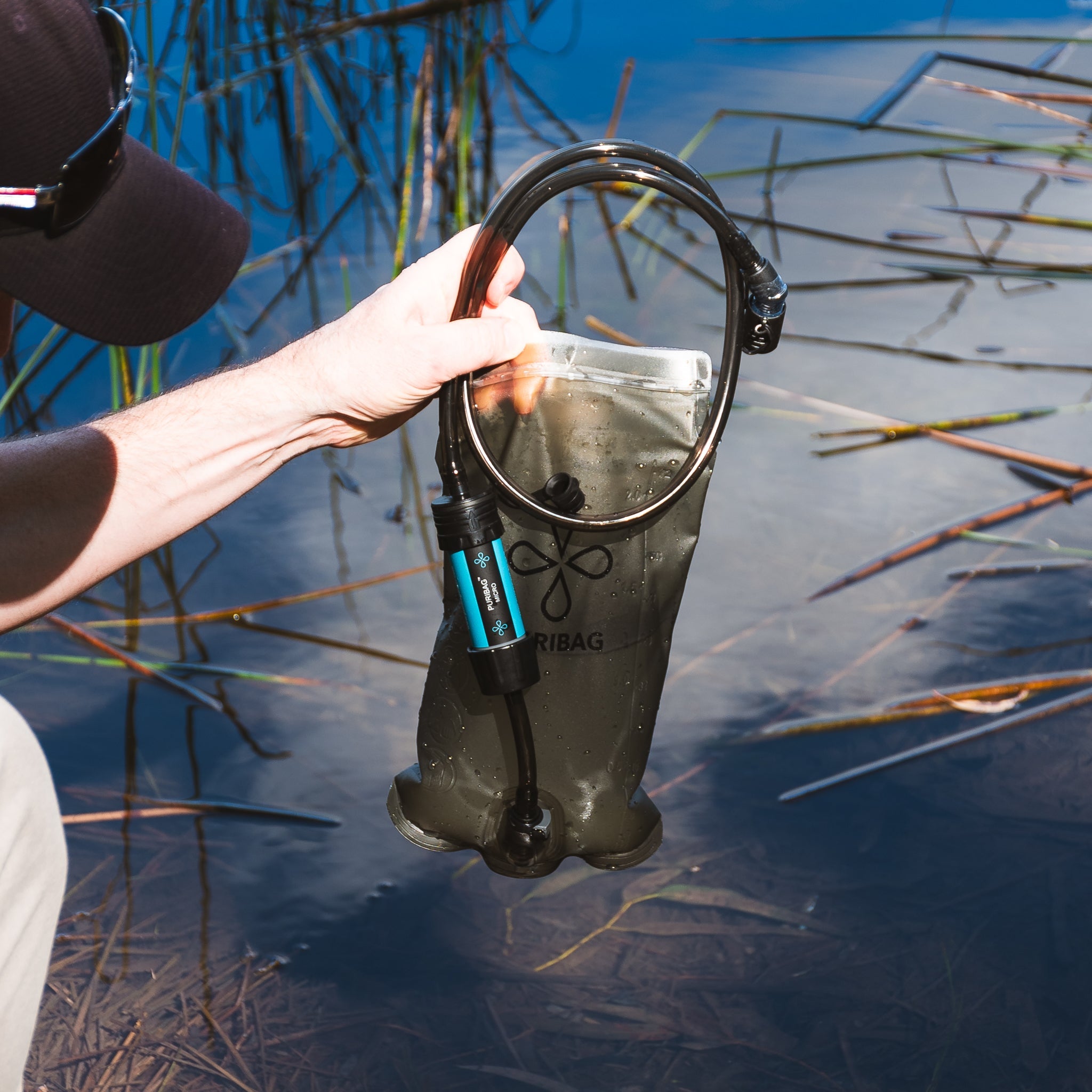
- Portable water filters: When you're evacuating or away from home and the only water available is from a stream, a tap you don't trust, or a container of unknown quality, a portable filter is what makes it drinkable. Check the filter life, flow rate, and what contaminants it's actually rated to remove before you rely on it.
- Gravity-fed filtration systems: A gravity filter sits on your counter and works without electricity or pumping. During a multi-day outage when several people need clean drinking water every day, this is the system that keeps up without wearing you out. Match the filter capacity to your household size.
- Water purification tablets and drops: Filters remove particles. Tablets address biological risks that some filters miss. Keep a supply in your emergency kit as a backup layer - they're compact, lightweight, and work when your filter is unavailable, damaged, or not rated for the specific risk you're facing.
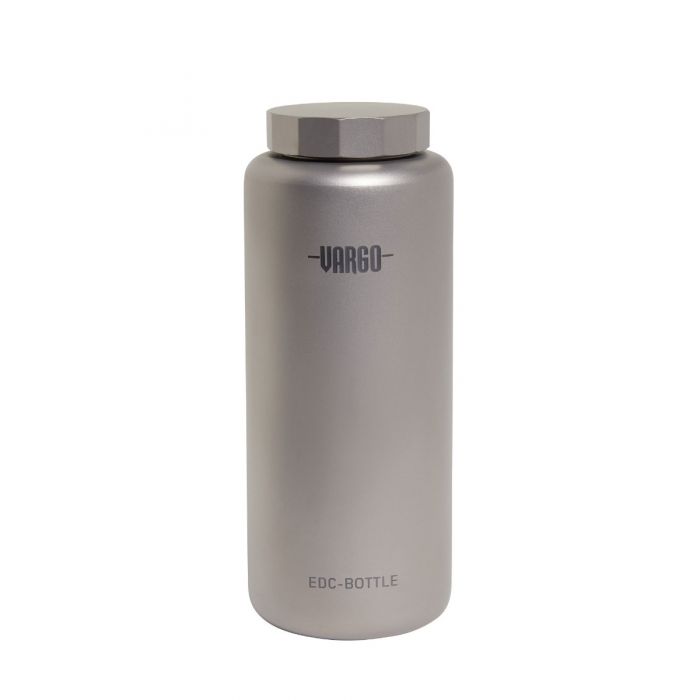
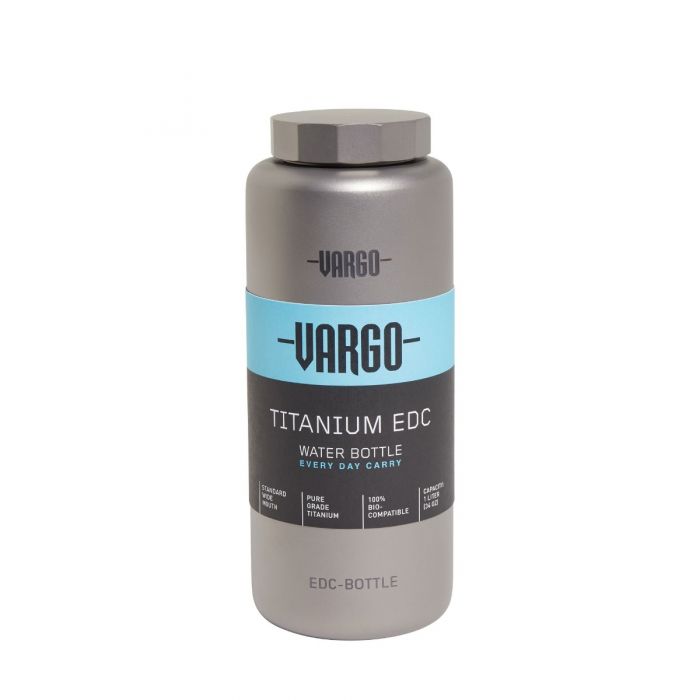
- Emergency water storage containers: Store water before you need it. Food-grade containers, water bricks, jugs, and barrels keep a reliable supply on hand for drinking, cooking, hygiene, and pets. Label them with the fill date and store them away from heat, sunlight, and chemicals.
- Backup treatment methods: Build redundancy into your water plan. Boiling, filtration, chemical treatment, and storage all solve different problems. If one method fails or runs out, you need another option already in place - not something you're scrambling to find during the emergency.
- Water access tools: Stored water is only useful if you can actually get to it. Spigots, pumps, hoses, and caps decide whether your water supply is easy to use or frustrating when conditions are already difficult. Don't overlook the hardware that makes the system work.
Safe water stored, treatment options ready, and a system that works before anything goes wrong. That's the whole plan.

How Much Emergency Water Should You Store?
A common baseline is one gallon of water per person per day for drinking and basic sanitation. Hot weather, physical work, medical needs, infants, and pets can increase that requirement. Three days of water is the minimum practical starting point for outages, storms, boil notices, and short-term supply disruptions. For a family of four, that means at least 12 gallons before accounting for pets, cooking, or extra hygiene needs. Once that baseline is handled, build toward one week, two weeks, or more.
Drinking and cooking water should be stored and treated to a higher standard. Water for flushing, cleaning, or limited washing may come from different storage sources depending on the situation. Pets, baby formula, medical devices, wound care, and special diets all change your water requirements.
Keep containers sealed, labeled, elevated if possible, and protected from heat, sunlight, chemicals, pests, and freezing conditions. Filters help turn questionable water into safer water, but they don't replace having stored water ready. During some emergencies, collecting water may not be safe, easy, or possible.
Water isn't exciting until it's missing. By then the easy options are usually gone.
Filtration, Purification, and Storage Are Not the Same Thing
A reliable emergency water setup covers three separate jobs: storing clean water, filtering water to reduce particulates and contaminants, and purifying water when biological risks are present. Treating these as the same thing is how gaps get missed.
- Storage keeps water available: Store water before you need it, not after the tap stops running. Stored water is your immediate supply - it doesn't require finding a source, treating it under pressure, or waiting for a filter to work. It's the first layer because it's the fastest one.
- Filtration improves water quality: Know what your filter is actually rated to remove before you depend on it. Filters reduce sediment, bad taste, particulates, and certain microorganisms - but not all filters handle the same risks. Check the product rating and keep replacement cartridges on hand.
- Purification targets biological risks: If there's any chance of bacteria, viruses, or protozoa in your water source, filtration alone may not be enough. Tablets, drops, boiling, and some advanced systems address biological threats. Match the treatment method to the actual risk you're facing.
- Flow rate matters: A filter that works for one person camping won't keep up with a family of four during a multi-day outage. Check how quickly the system produces usable water before you buy it, not after you're relying on it.
- Filter lifespan matters: Every filter element has a rated capacity. Track it, store replacements before you run out, and don't wait for performance to drop before you swap it. A filter past its rated capacity may not be doing the job you think it is.
- Redundancy matters most: Build a water plan that survives one failure. Stored water runs out, filters clog, tablets get used up. A gravity filter, stored water, purification tablets, and a portable filter together handle far more scenarios than any single system alone.
Water on hand, treatment tools ready, and no guesswork about what each product is supposed to do. Set it up before you need it.
Frequently asked questions
Water filtration removes sediment, particulates, bad taste, and certain contaminants depending on the filter. Water purification targets biological threats like bacteria, viruses, and protozoa. Some systems do both, but not all filters remove the same risks. Always check the product rating before relying on it.
Start with at least one gallon per person per day for drinking and basic sanitation. A 72-hour supply is the minimum baseline. For a family of four, that means at least 12 gallons for three days, before accounting for pets, hot weather, medical needs, or cooking.
Yes. Stored water gives you an immediate supply, while filters and purification tools help if that supply runs low or if you need to treat water from another source. Storage and filtration solve different problems. A stronger plan includes both.
Some can, but many standard outdoor and gravity filters are designed mainly for bacteria, protozoa, sediment, and particulates. Virus protection depends on the specific product rating. If viruses are a concern, use a purifier or treatment method designed for that risk.
Shelf life depends on the container, storage conditions, and whether the water was treated before storage. Store water in clean, food-grade containers away from sunlight, heat, chemicals, and pests. Check containers regularly for leaks, damage, odor, cloudiness, or broken seals.
For most households, the best setup combines stored drinking water, a gravity-fed filter, portable backup filters, and purification tablets or drops. Stored water handles the first hours and days. Filters and purification tools extend your options if the outage lasts longer or tap water becomes unsafe.
HAVE QUESTIONS OR NEED HELP CHOOSING THE RIGHT SURVIVAL GEAR? GET IN TOUCH WITH US TODAY – WE'RE HERE TO HELP!