







First Aid and Trauma Kits: Understanding the Difference
The terms first aid kit and trauma kit are often used interchangeably, but they cover different medical scenarios and are not interchangeable for serious emergencies.
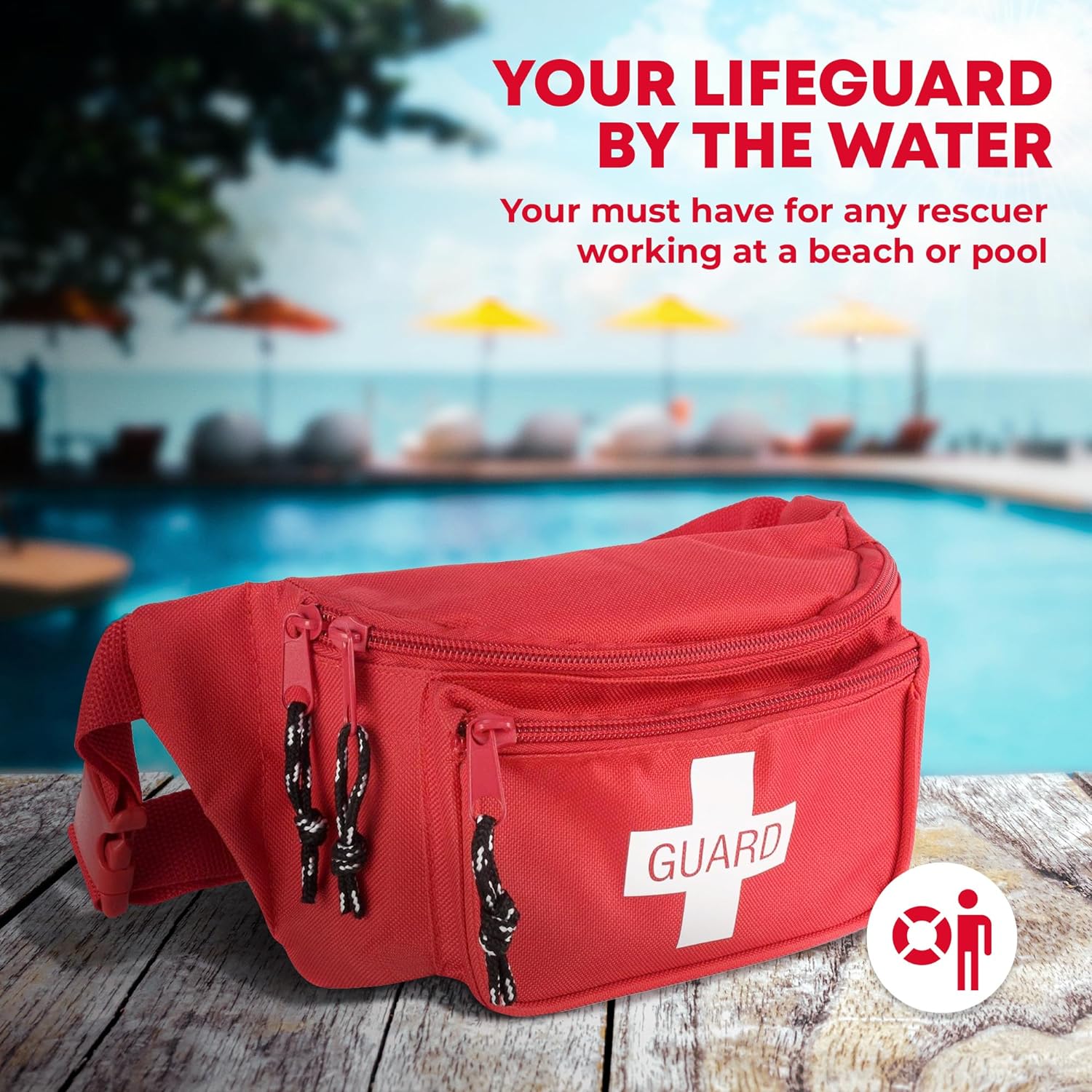
- General purpose first aid kits: Cover everyday injuries and medical needs: cuts, burns, sprains, blisters, allergic reactions, headaches, and minor wound care. These kits are appropriate for home use, travel, vehicles, and office environments. They are not designed for life-threatening injuries.
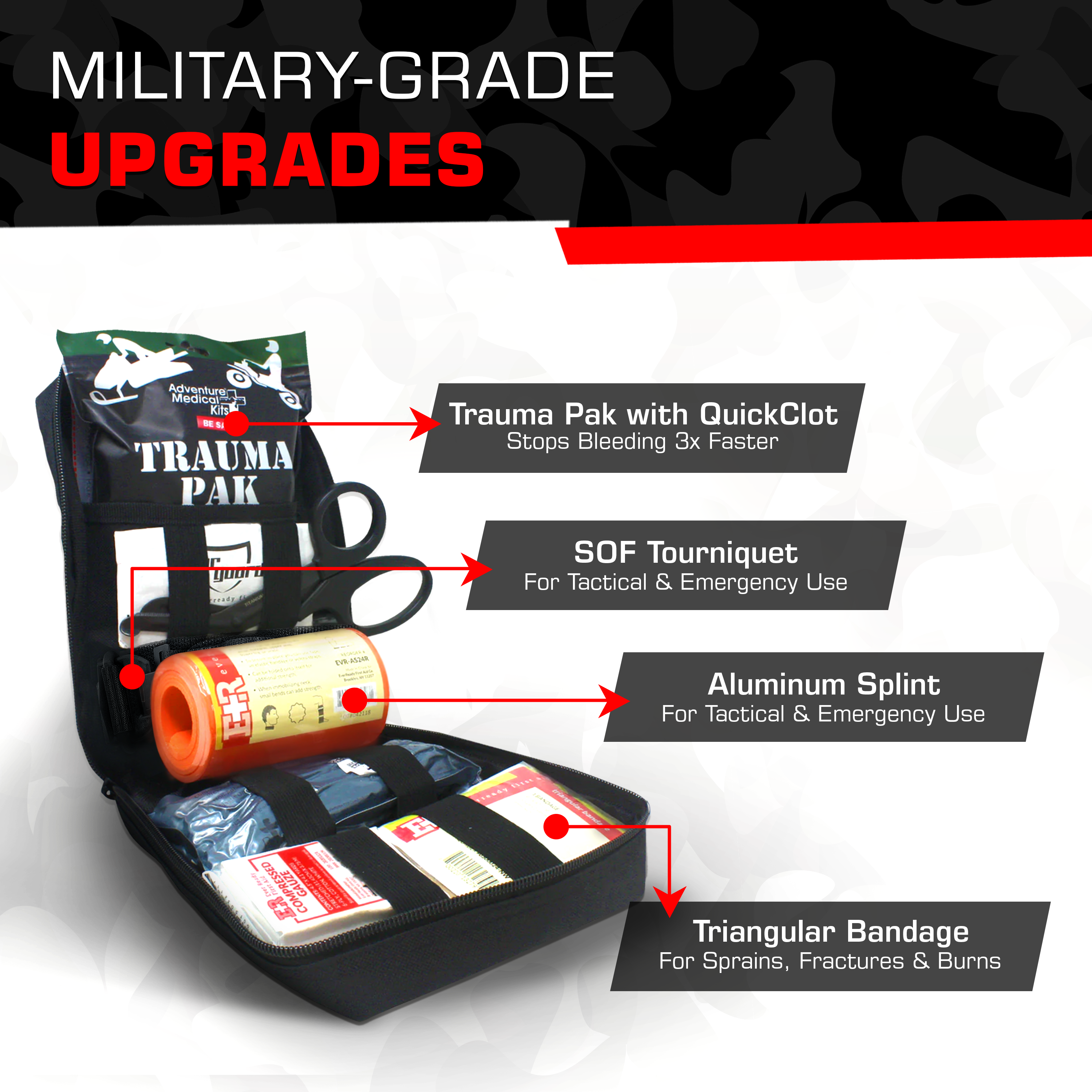
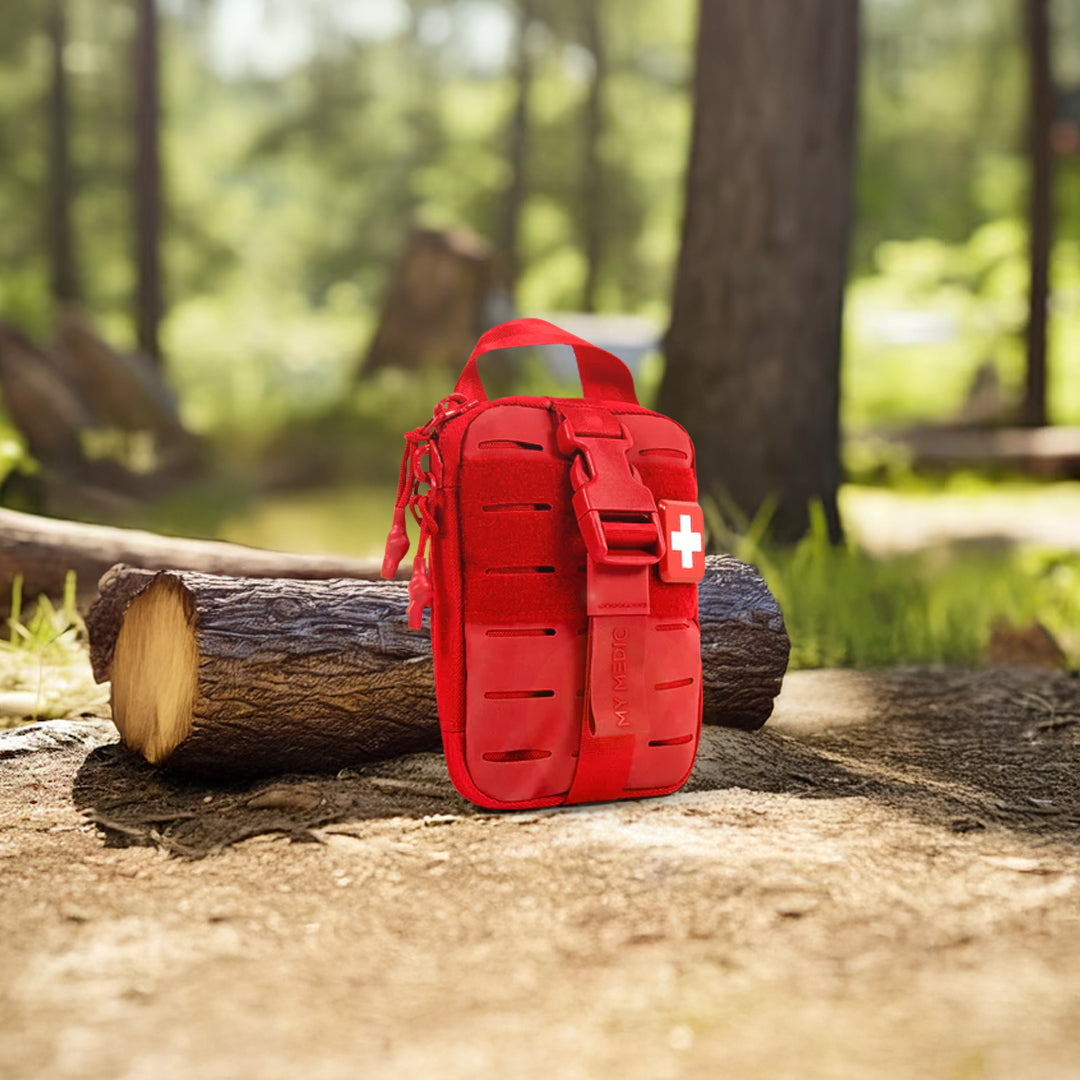
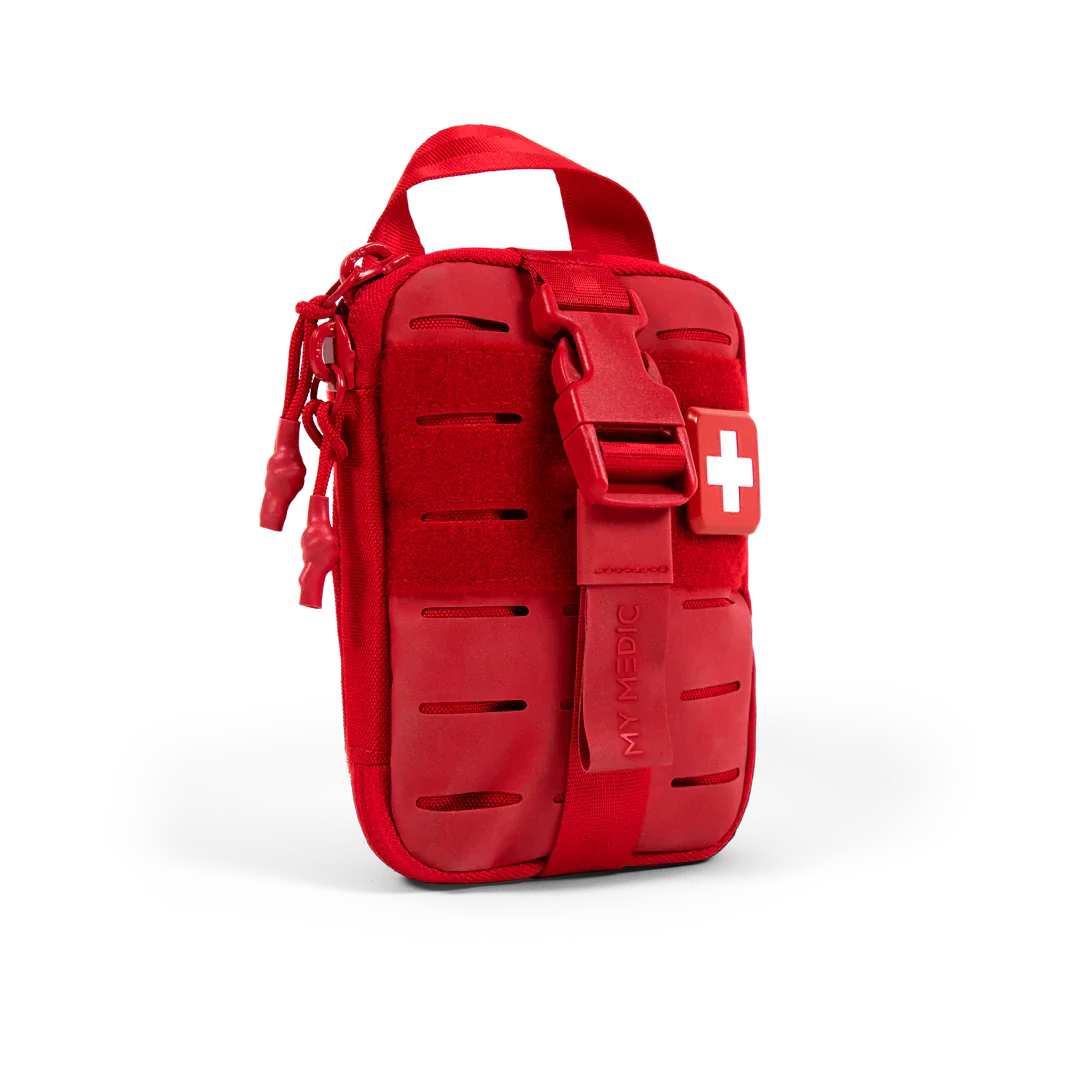
- Tactical IFAKs (Individual First Aid Kits): Compact kits designed for field and tactical use, typically carried on the person. IFAKs focus on the most common causes of preventable death in trauma scenarios: severe bleeding, airway compromise, and tension pneumothorax. They typically include a tourniquet, hemostatic gauze, chest seal, and pressure bandage in a minimal-footprint package.
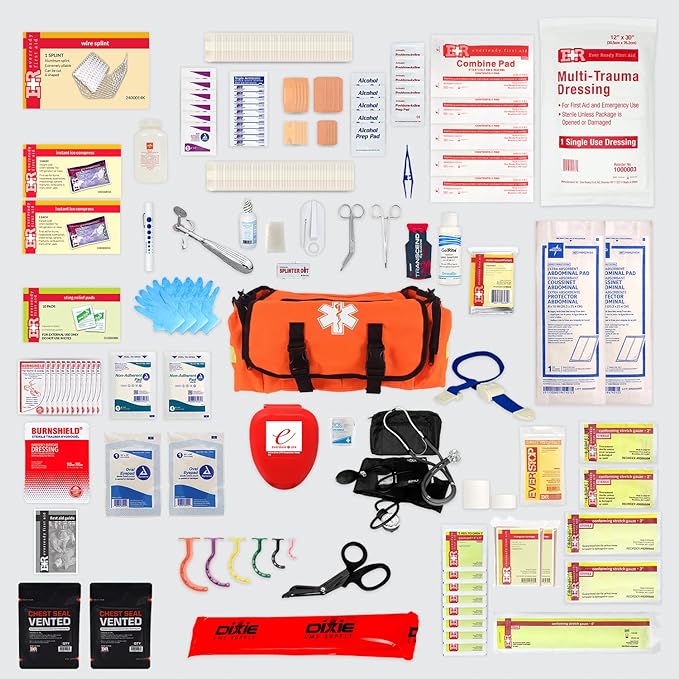
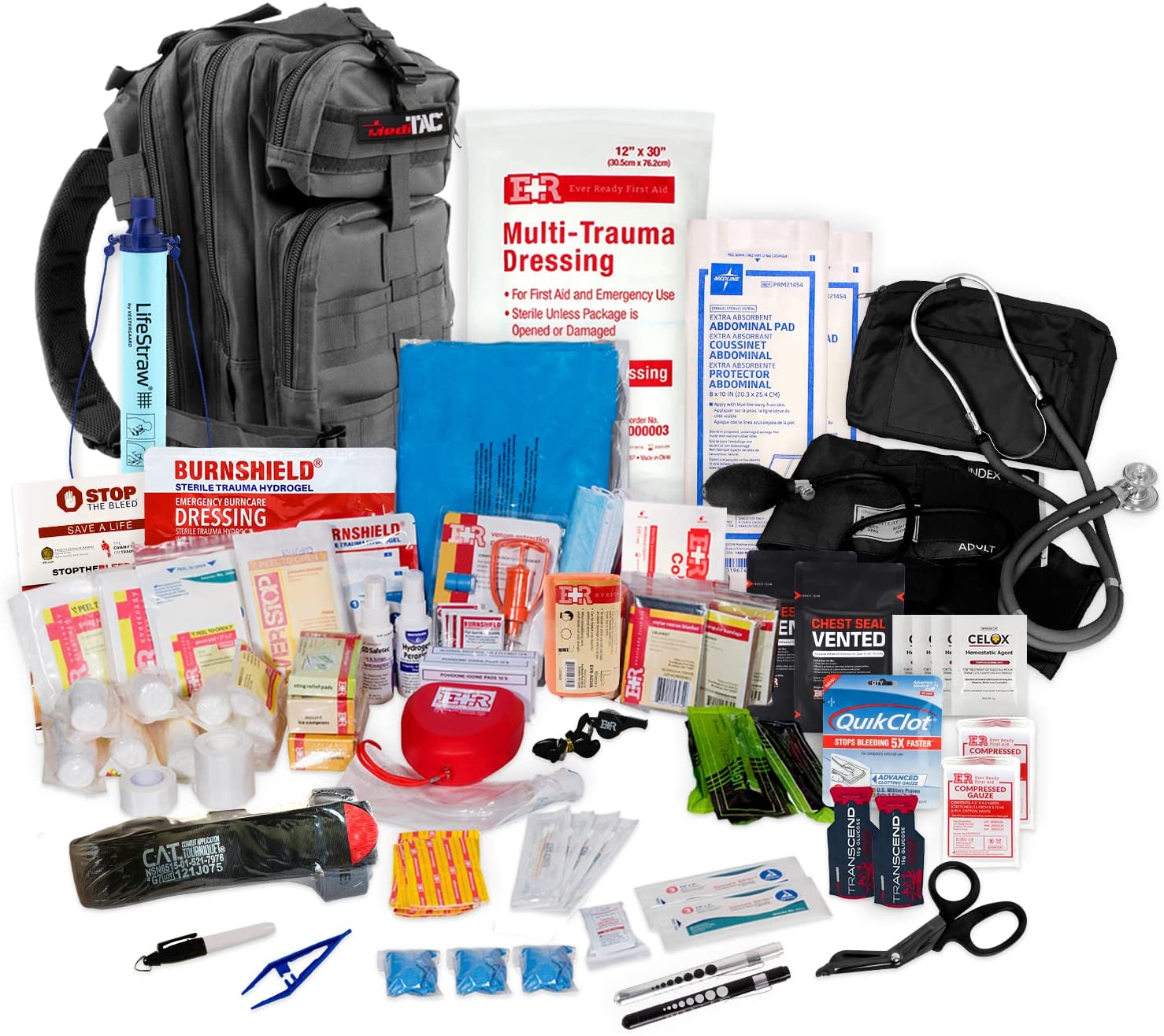
- Advanced trauma kits and responder bags: Larger format kits for treating multiple casualties or providing sustained medical care before professional help arrives. These kits include full bleeding control systems, multiple tourniquets, chest seals, airway management tools, and comprehensive wound care supplies. The Recon FAK and fully stocked responder bags in this collection fall into this category.
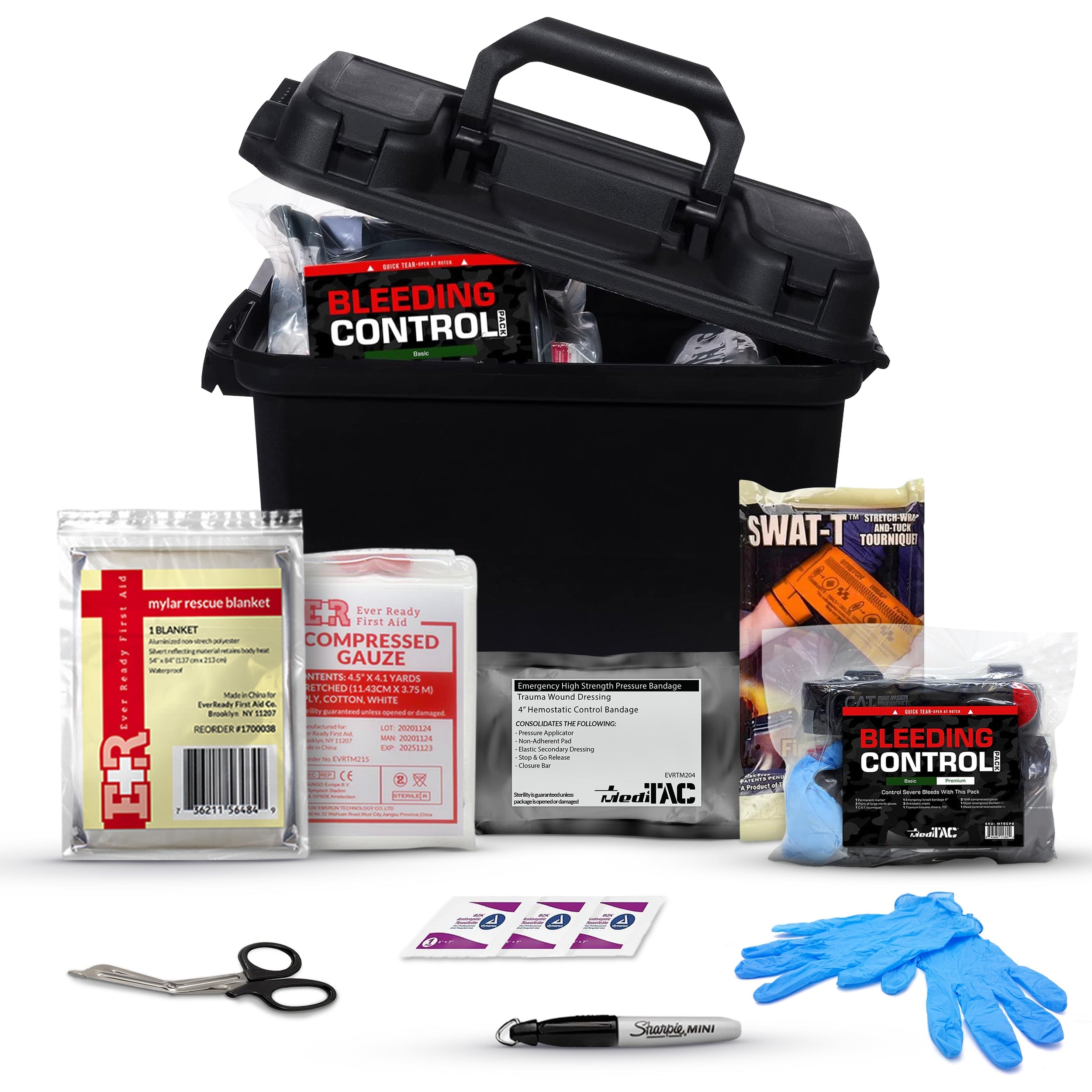
- Hemorrhage control kits: Focused specifically on stopping life-threatening bleeding. Typically include a CAT tourniquet, hemostatic gauze, pressure bandage, and gloves in a compact, accessible format. The most critical skill-to-outcome ratio of any emergency medical category: proper tourniquet application in the first few minutes of a severe bleeding injury is the single highest-leverage intervention available to a bystander.
- Vehicle trauma response kits: Designed for car accidents and roadside emergencies where injuries tend toward blunt trauma, lacerations, and severe bleeding. These kits combine trauma and general first aid in a format suited to vehicle storage.

Building a Tiered First Aid Setup
A practical household medical preparedness setup uses multiple kits at different levels, each covering different scenarios and locations.
- Everyday carry level: A compact IFAK or bleeding control kit on your person or in your bag. Covers the most critical scenarios in any location. Weighs almost nothing and fits in a jacket pocket or small bag.
- Vehicle level: A vehicle trauma response kit in every car. Car accidents are the most statistically likely scenario requiring serious first aid for most people. A dedicated vehicle kit means you have the right supplies at the most likely point of need.
- Home level: A fully stocked general first aid kit plus a dedicated trauma kit for the household. The general kit handles everyday injuries. The trauma kit handles serious emergencies while waiting for EMS.
- Go bag level: A compact but capable kit in your 72-hour bug out bag. Should include at minimum bleeding control, basic wound care, and any household-specific medications or medical needs.
Most households start at the home level and work outward. If you only have one kit, make it a quality home kit with trauma capability. Then add vehicle and carry options as the next step.

Training Matters as Much as Gear
A tourniquet you do not know how to apply correctly is not a useful piece of emergency medical equipment. The same is true for chest seals, hemostatic gauze, and pressure bandages. Buying the gear is step one. Learning to use it is step two, and it matters more.
Two training options worth pursuing for anyone building a serious first aid setup: Stop the Bleed is a free, widely available 2-hour course that covers the basics of hemorrhage control and tourniquet application. CPR and basic first aid certification through the American Red Cross or American Heart Association covers the broader first aid skill set. Both are practical, accessible, and make the gear in this collection significantly more effective.
Frequently asked questions
A first aid kit is designed for everyday injuries: cuts, burns, sprains, and minor wound care. A trauma kit is designed for life-threatening emergencies, primarily severe bleeding, penetrating wounds, and airway compromise. Trauma kits include items like tourniquets, hemostatic gauze, chest seals, and pressure bandages that are not found in standard first aid kits. For serious emergency preparedness, you need both: a general first aid kit for everyday use and a trauma kit for the scenarios where standard first aid falls short.
IFAK stands for Individual First Aid Kit. It is a compact, field-ready kit designed to be carried on the person and used to treat the most common causes of preventable death in trauma scenarios: severe bleeding, airway obstruction, and tension pneumothorax. IFAKs typically include a tourniquet, hemostatic gauze, chest seal, pressure bandage, and gloves in a minimal package. They originated in military use and have become standard equipment for law enforcement, first responders, and prepared civilians.
Yes, if you are serious about emergency preparedness. Severe bleeding is the leading cause of preventable death in trauma scenarios, and proper tourniquet application in the first few minutes of a life-threatening bleed is the most effective intervention available to a bystander. A CAT (Combat Application Tourniquet) or SOFTT-W tourniquet, paired with basic training on how to apply it correctly, belongs in every preparedness kit. The Stop the Bleed program offers free training on tourniquet application and is available nationwide.
A compact IFAK is the right choice for everyday carry, go bags, and situations where portability is a priority. It covers the critical life-threatening scenarios in a minimal package. A full trauma kit or responder bag is the right choice for a home base kit, vehicle kit in a high-risk environment, or anyone who may need to treat multiple casualties or provide sustained care before EMS arrives. For most households, having one of each serves different scenarios: the IFAK for mobility, the full kit for the home.
At minimum, a Stop the Bleed course covers tourniquet application, wound packing with hemostatic gauze, and pressure bandage use. It takes about two hours and is available free through hospitals, community organizations, and online. For chest seals and more advanced airway management, a Tactical Combat Casualty Care (TCCC) course or equivalent provides the next level of skill. Both significantly improve the effectiveness of any trauma kit. Buying the gear without the training leaves a meaningful gap in your preparedness.
HAVE QUESTIONS OR NEED HELP CHOOSING THE RIGHT SURVIVAL GEAR? GET IN TOUCH WITH US TODAY – WE'RE HERE TO HELP!