Collection: Air Purification Gear for Emergency Situations
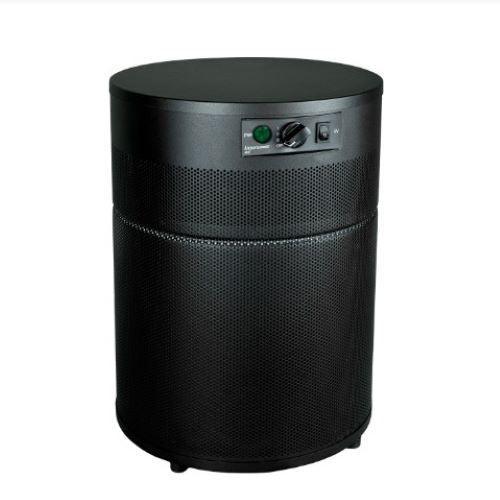
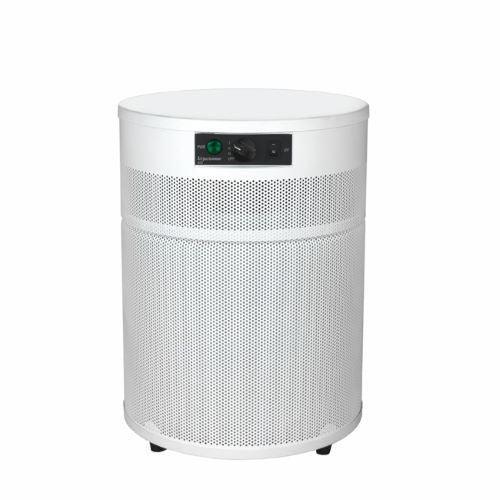
Air purification gear helps your household maintain cleaner, more breathable indoor air when wildfire smoke, chemical odors, dust, allergens, storm debris, or poor ventilation make normal air quality unreliable. Our Air Purification collection includes HEPA air purifiers, activated carbon filters, compact air scrubbers, replacement filters, and respiratory support gear for emergency situations, shelter-in-place planning, power outages, wildfire season, and household preparedness.
Get filtration in place, stock spare filters, and know which room you'll protect before conditions change. Every product here was selected for particle filtration, odor reduction, airflow, room coverage, filter availability, and real household air quality needs.




Clean Air Is Part of Emergency Preparedness
Air quality can turn into a serious problem before anything else in the house looks wrong. When wildfire smoke moves in, when a nearby industrial incident puts fumes in the air, when storm debris kicks up dust for days - the air inside your home changes faster than most people expect. You need a filtration layer ready before that happens.
- HEPA air purifiers: When smoke is in the air outside, this is what you run in the bedroom where your kids sleep. HEPA captures the fine particles that irritate lungs fastest - smoke, dust, pollen, pet dander. Pick the room that matters most and start there.
- Activated carbon filters: If your purifier doesn't have carbon, you'll filter the particles but still smell the smoke. Carbon handles odors, fumes, and certain airborne chemicals. During a wildfire or nearby industrial incident, you want both HEPA and carbon working together.
- Compact air scrubbers: If you're working in a smaller space - a cabin, a workshop, a single room during a shelter-in-place - a compact scrubber handles what a larger unit can't reach. Useful when you need targeted air cleaning without a full system.
- Replacement filters: A clogged filter doesn't clean air. Stock spares before wildfire season, not after smoke is already in the house. Check filter condition at least twice a year and replace before performance drops.
- Power backup for air systems: Your purifier stops working the moment the grid goes down. If you're sheltering in place during a smoke event or chemical incident, pair your purifier with a backup power station so it keeps running when you need it most.
- Masks and personal filtration: When you have to leave the clean-air room - to evacuate, clear debris, or move through smoke - a quality respirator is what stands between you and the air o

Building a Clean-Air Room for Smoke, Dust, and Outages
During wildfire smoke, chemical odors, heavy dust, or extended poor air quality, the smartest move is often to make one indoor space easier to protect. A clean-air room gives your household a focused place to rest, sleep, and breathe better when the rest of the home is harder to manage.
Start by choosing a room with limited doors and windows, enough space for the people who need it, and access to power if possible. Bedrooms and interior rooms often work better than large open spaces. Match the purifier to the room size and airflow needs, because a small unit in a large open area won't clean the air effectively during heavy smoke or dust events.
Reduce what comes in. Close windows, doors, vents, and gaps where outdoor air enters. Towels, weather stripping, plastic sheeting, and tape can reduce smoke or dust infiltration in a temporary setup. Run filtration early instead of waiting until the room already smells like smoke. The earlier the purifier is working, the easier the space is to maintain.
Avoid candles, frying, aerosol sprays, and unnecessary dust-producing activity while using a clean-air room. Indoor pollution adds to the load the purifier must handle. If the power goes out during a smoke or chemical event, an air purifier stops helping unless you have a power source ready, so backup power belongs in the plan.

Filtration, Carbon, and Airflow All Matter
Air purification is about matching the right system to the right problem. The right choice depends on what you're trying to reduce: smoke particles, dust, allergens, odors, fumes, or general indoor air contamination.
- HEPA handles particles: Running a purifier during wildfire smoke without true HEPA is guesswork. Check that your unit uses true HEPA, not a HEPA-type filter. That distinction matters when smoke is heavy and your family is sleeping in that room.
- Carbon handles odors and gases: If the room still smells like smoke after running a purifier, your filter doesn't have enough carbon. Replace carbon filters before they saturate - a saturated carbon filter releases what it absorbed.
- Airflow determines whether the system works: A purifier sitting in a corner behind furniture isn't cleaning your air. Position it where air can move freely through the intake and output. Center placement or open-wall placement works better than corners.
- Filter condition changes everything: Check your filters before smoke season, not during it. A dirty or overloaded filter reduces airflow and lets particles through. Stock replacements so you can swap without waiting on shipping during an emergency.
- Placement matters more than most people think: Keep the unit away from walls, curtains, and furniture that block airflow. Air has to move through the system for the system to do anything.
- One purifier rarely covers the whole home: Focus on the room where your family spends the most time sleeping and resting. Strong filtration in one room gives you somewhere that actually works.
Match the equipment to the room, keep filters fresh, and position the unit where air can actually move through it.
Frequently asked questions
What air purifier is best for wildfire smoke?
For wildfire smoke, look for a purifier with true HEPA filtration for fine particles and activated carbon for smoke odor. Room size and airflow matter too. A unit that's too small for the space will struggle during heavy smoke. Many households set up one clean-air room instead of trying to filter the entire home.
Do activated carbon filters remove smoke smell?
Activated carbon can help reduce smoke odor and some fumes, but it has limits. The amount of carbon in the filter, air exposure, and filter condition all affect performance. For smoke events, carbon works best alongside HEPA filtration, which handles the fine particles.
Can an air purifier help during a chemical spill or industrial accident?
It may help with certain airborne particles and odors depending on the filter type, but it shouldn't be treated as complete protection from hazardous chemicals. If officials issue evacuation or shelter-in-place instructions, follow those first. Air purification is one layer of preparedness, not a replacement for emergency guidance.
How do I choose the right air purifier size?
Match the purifier to the room you need to protect. Check the product's room-size rating and airflow capacity, then choose based on the space where people will actually spend time. During emergencies, filtering one smaller room well is often more effective than expecting one undersized unit to cover an entire house.
Do air purifiers work during a power outage?
Only if they have power. Most air purifiers need electricity, so backup power matters if you're preparing for storms, wildfires, or extended shelter-in-place situations. A portable power station can keep a purifier running for a limited time depending on the unit's wattage and battery capacity.
How often should emergency air filters be replaced?
Filter life depends on the model, usage, and air conditions. Smoke, dust, pet hair, renovation debris, and heavy pollution load filters faster than normal use. Keep spare filters on hand and check them before wildfire season, storm season, or any period when poor air quality is more likely.
HAVE QUESTIONS OR NEED HELP CHOOSING THE RIGHT SURVIVAL GEAR? GET IN TOUCH WITH US TODAY – WE'RE HERE TO HELP!