









Your Vehicle Is Your Evacuation Shelter
A vehicle you have set up for sleeping is a different situation than a vehicle you are trying to sleep in. The difference is not comfort for its own sake. Sleep affects decision-making, and the days after an evacuation are exactly when you need clear calls about where to go, when to return, and what to do about work and family.
That is the practical case for the vehicle sleep systems here. They are not car camping accessories that happen to sit on a preparedness site. They fill a specific gap in most household evacuation plans.

The Five Systems That Make a Vehicle Livable
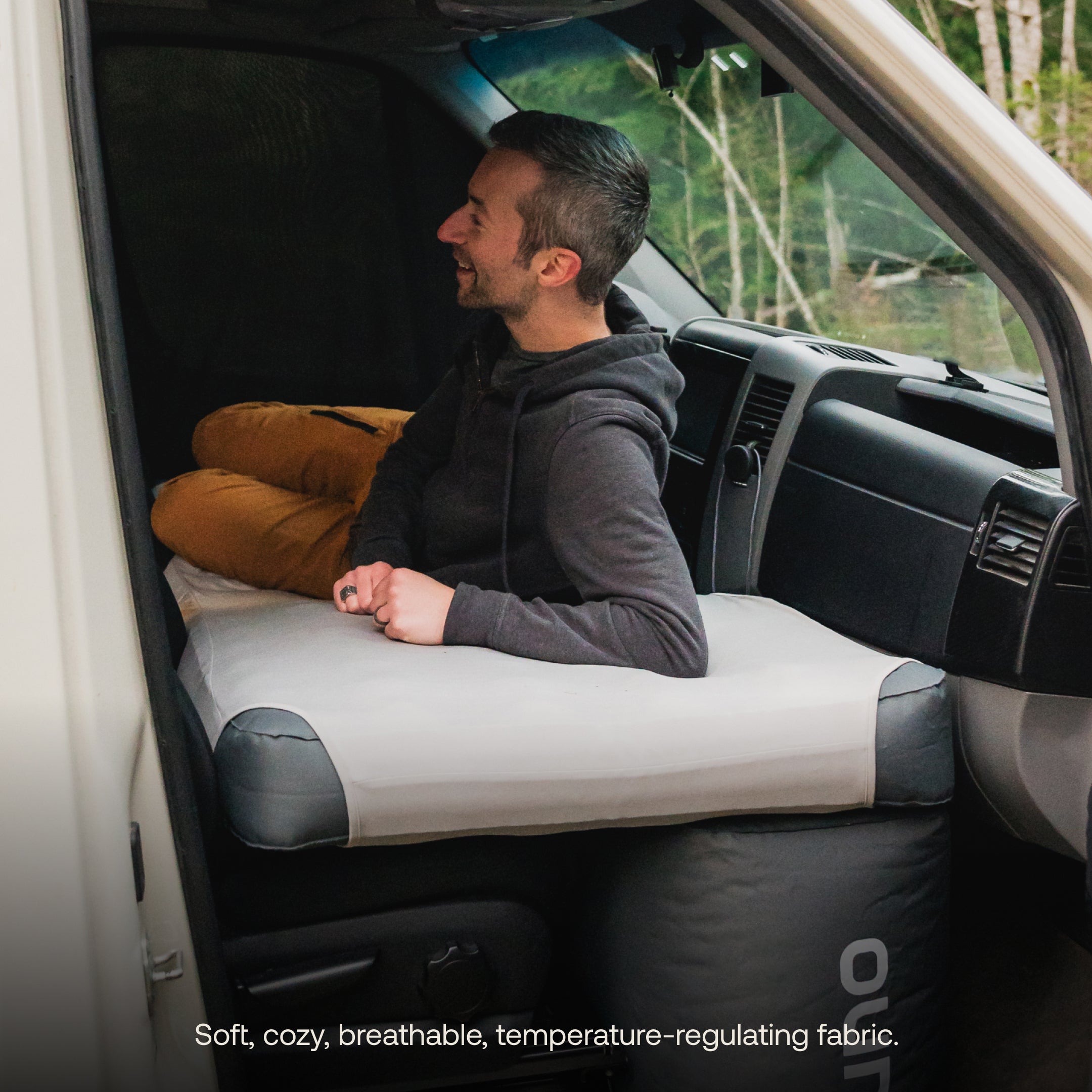
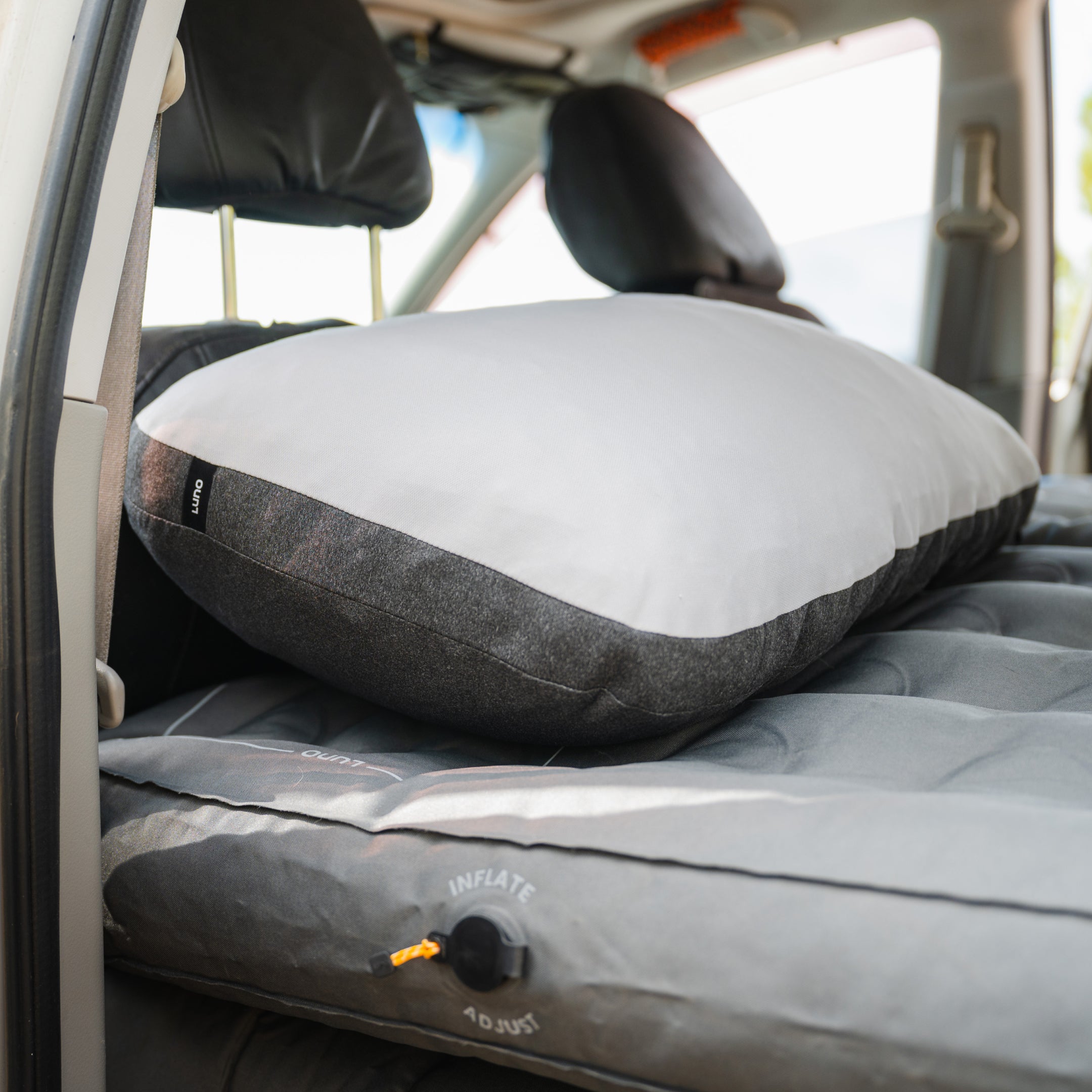
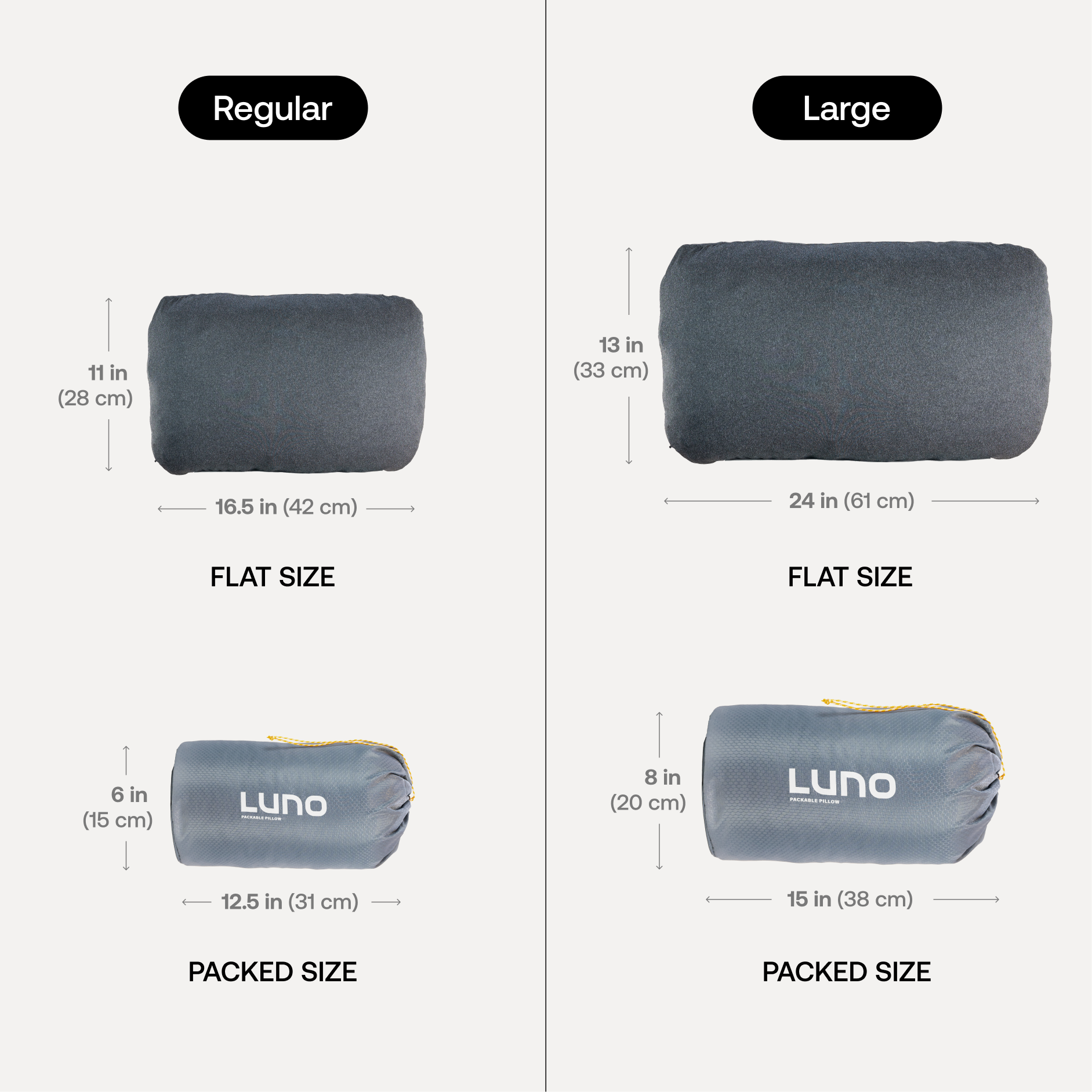
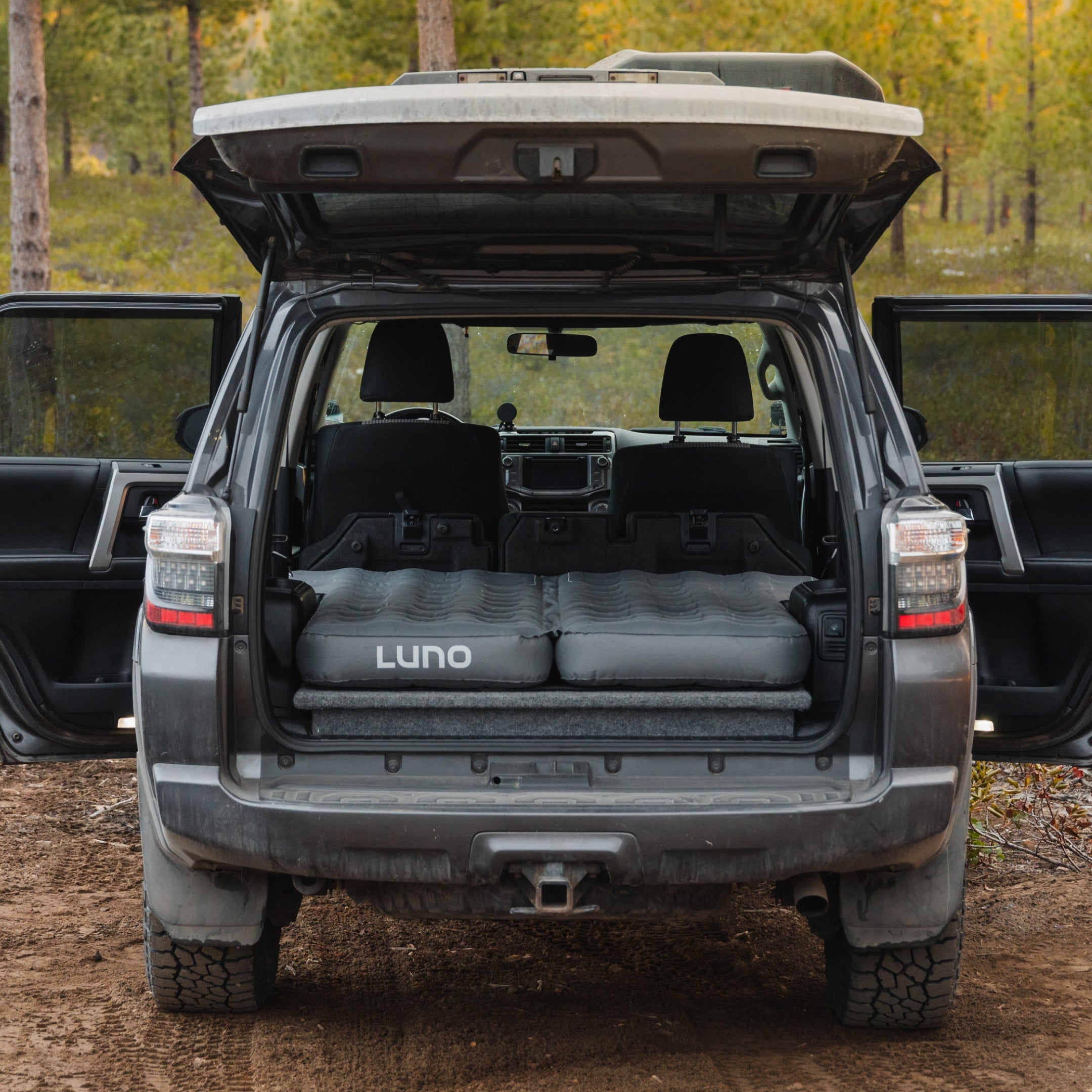
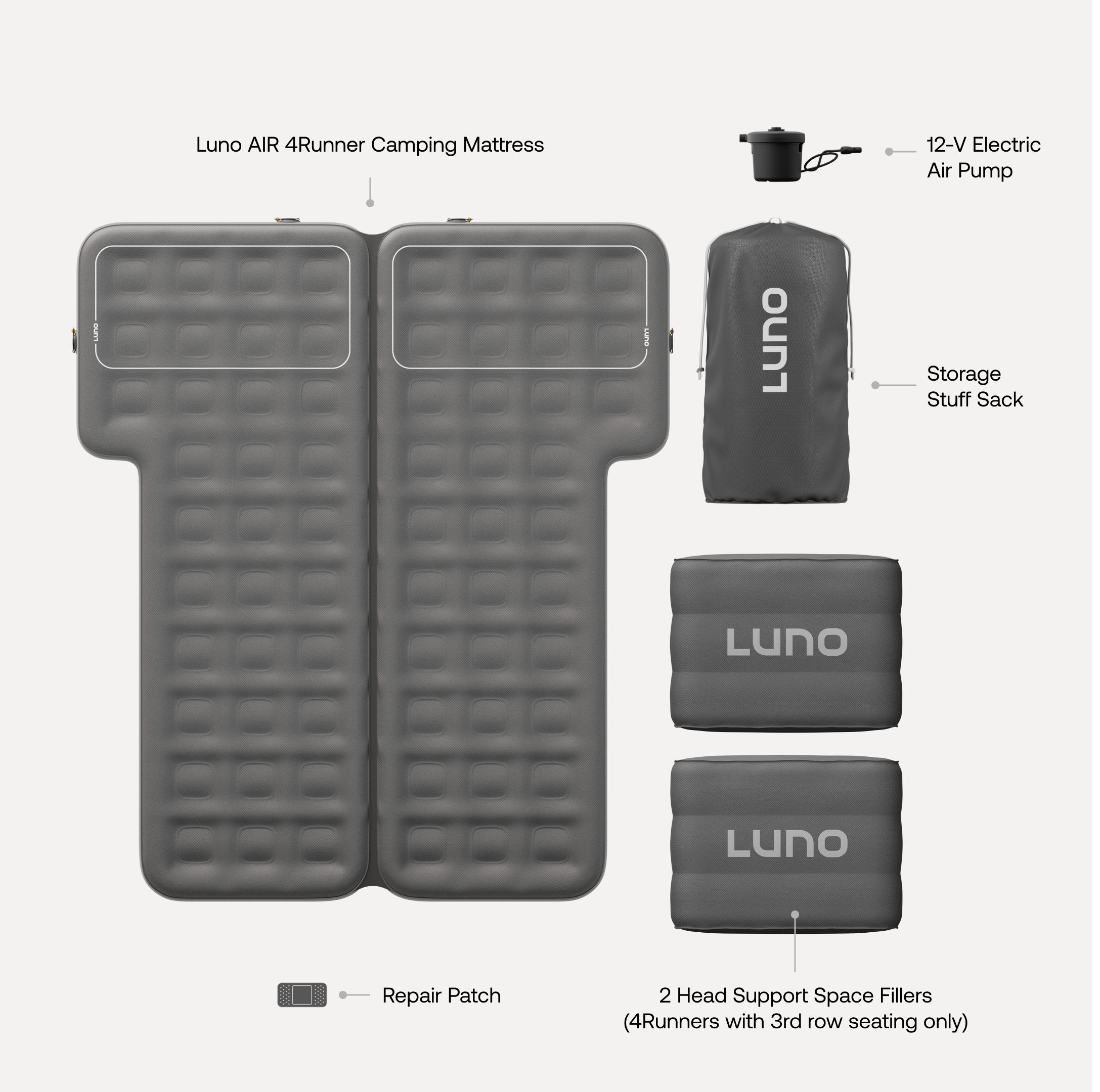
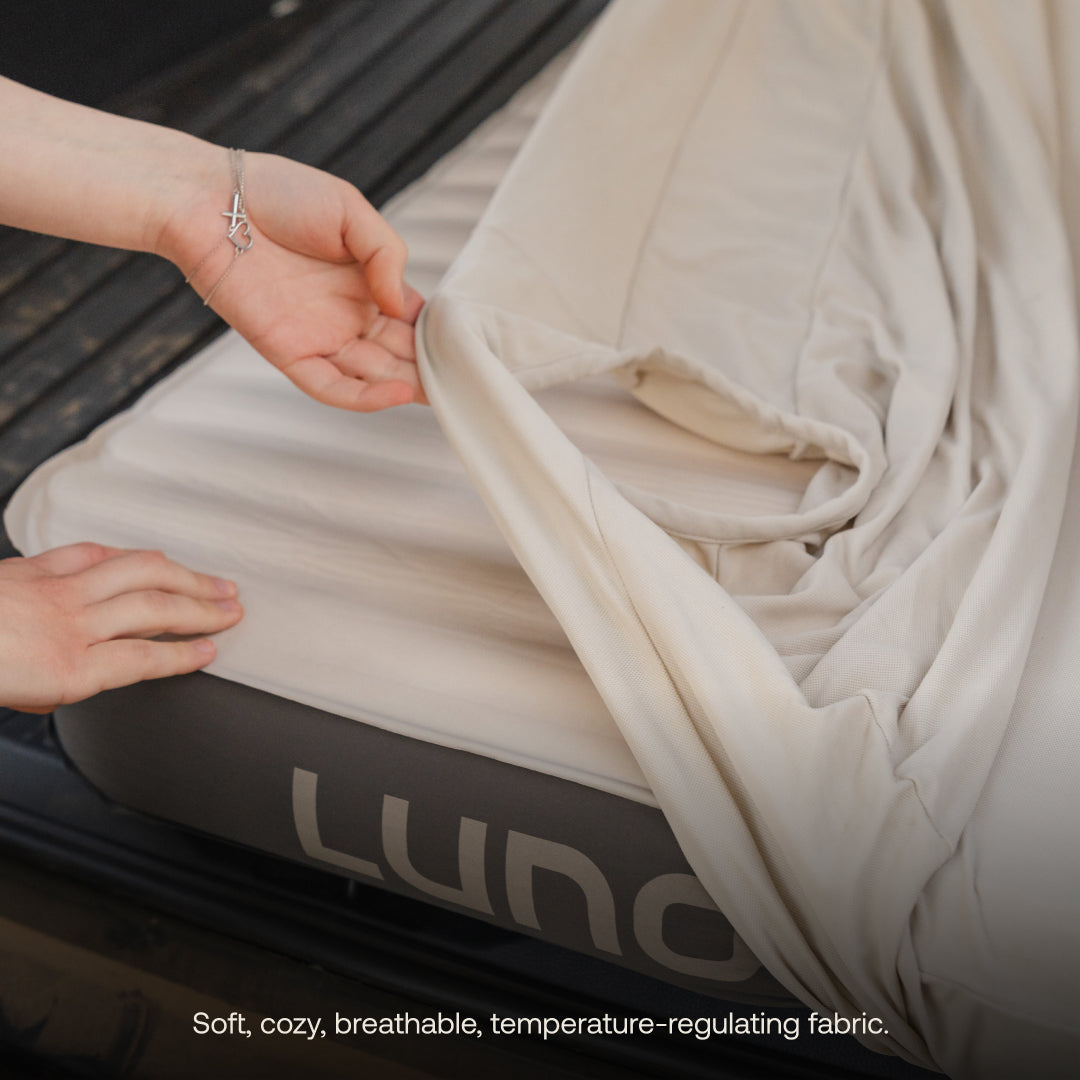
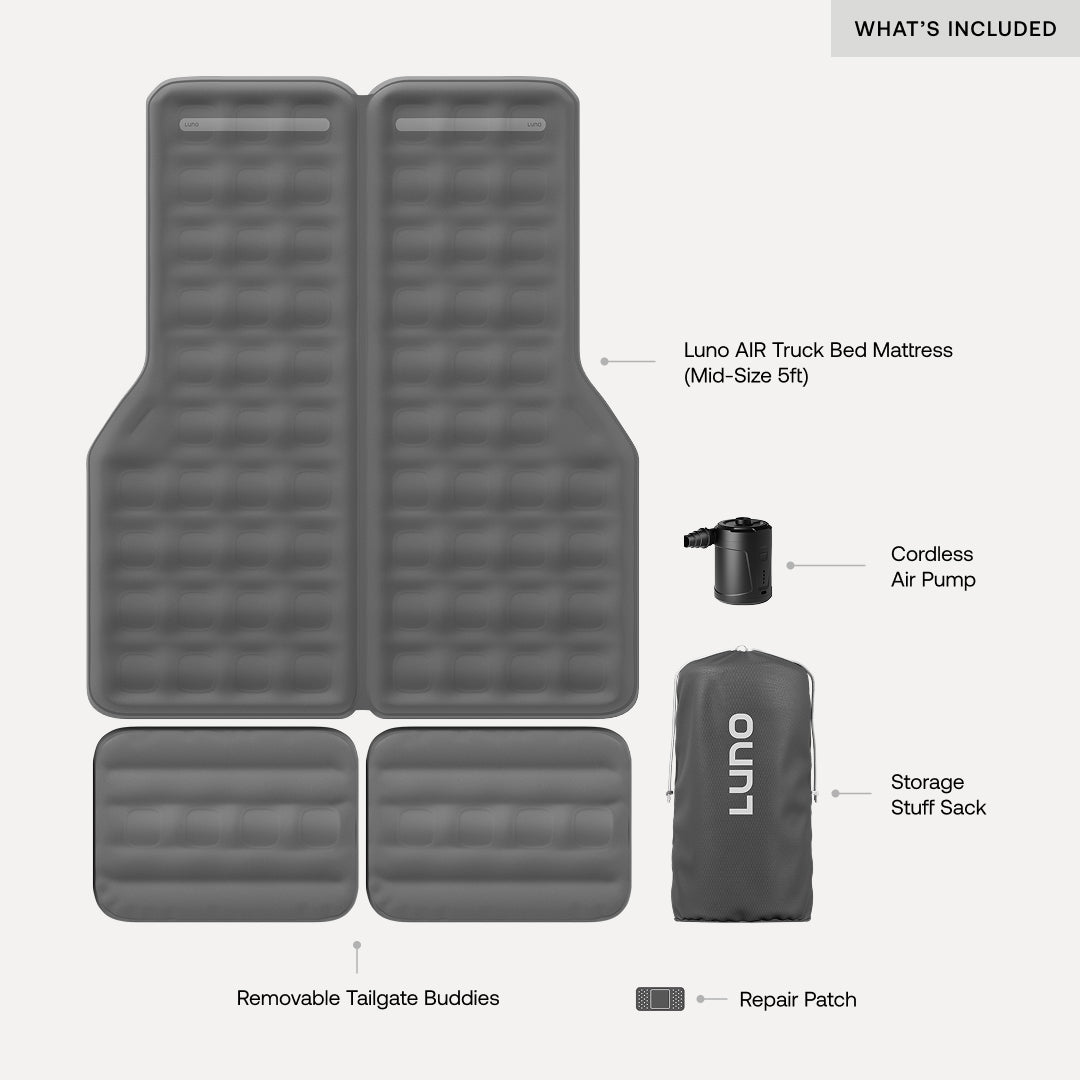
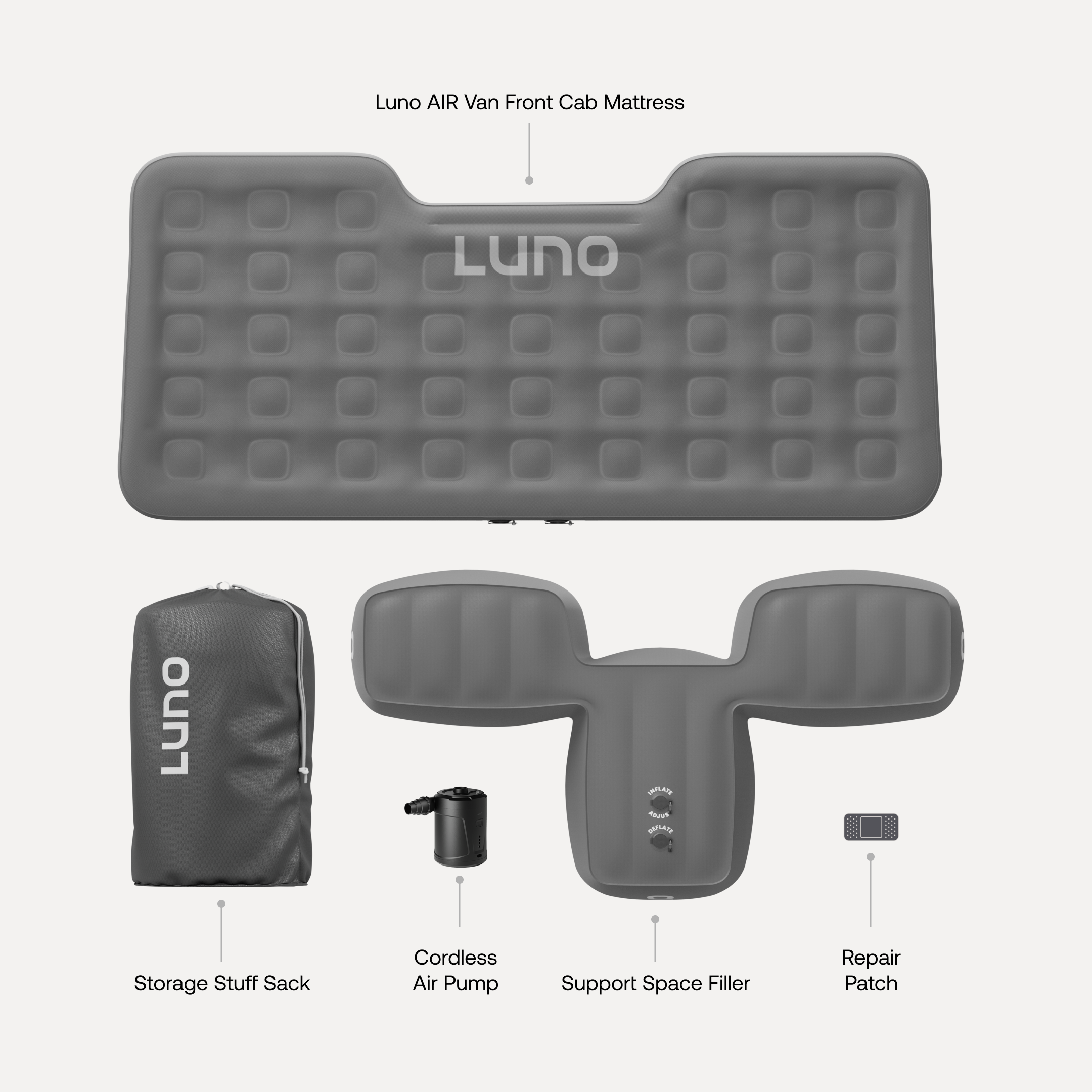
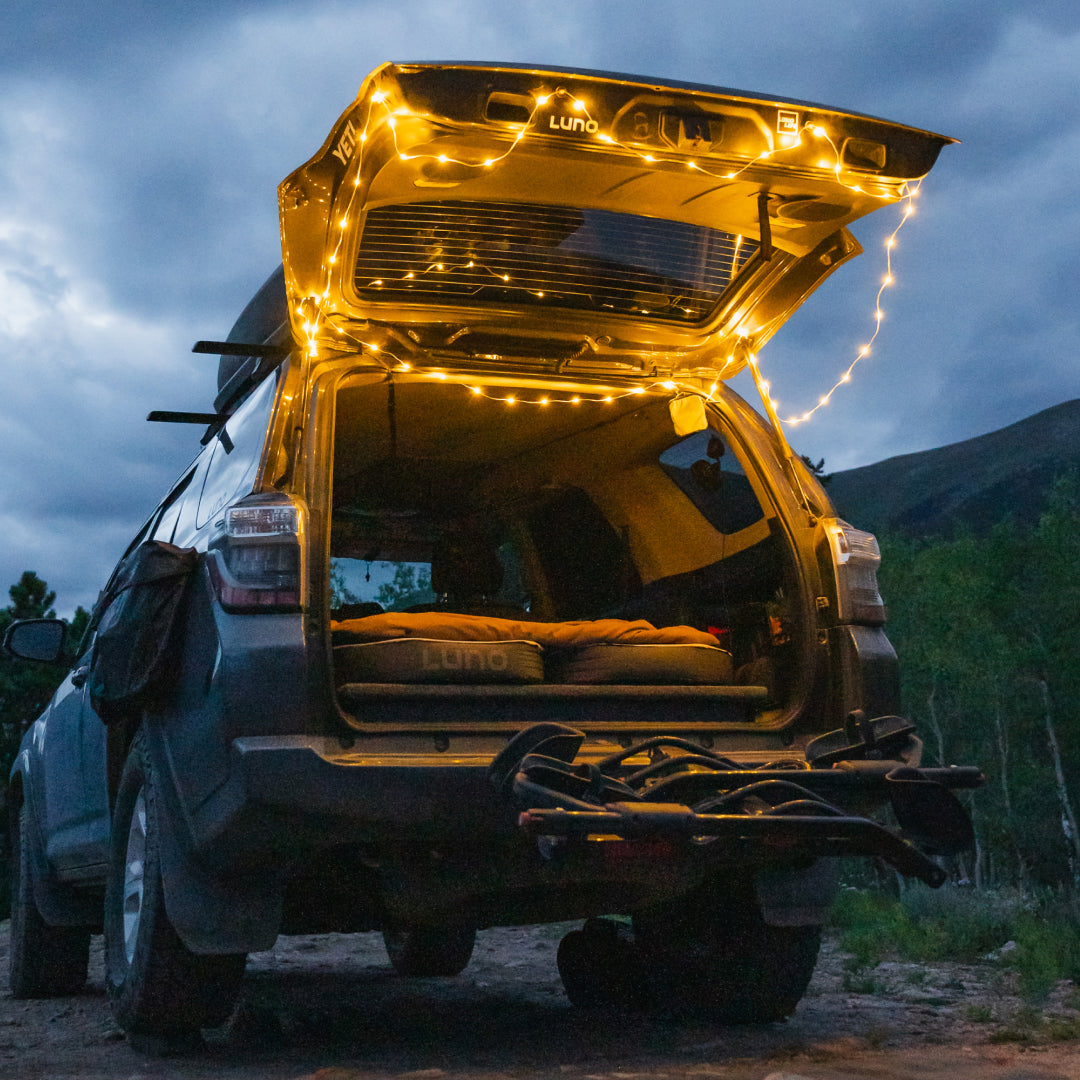
- Vehicle-specific sleep systems: Luno AIR and AIR+FOAM Pro mattresses cut to fit the 4Runner, Jeep Wrangler, Rivian R1S, van front cabs, and truck beds. A vehicle-specific mattress fills the actual floor shape including wheel wells and seat gaps, which is the difference between a flat surface and a night spent sliding into a gap. Fitted sheets, comforters, and packable pillows complete the setup.
- Privacy and ventilation: Window screens, sunroof screens, and privacy curtains. Screens let you sleep with airflow and without insects when you cannot leave windows fully open.
- Emergency communication: Kaito NOAA weather radios and two-way walkie talkies. NOAA broadcasts carry road closures, shelter locations, and re-entry timing. These run on hand crank and solar, so they work when the vehicle battery is the only power left. Full range in Emergency Radios & Communication Gear.
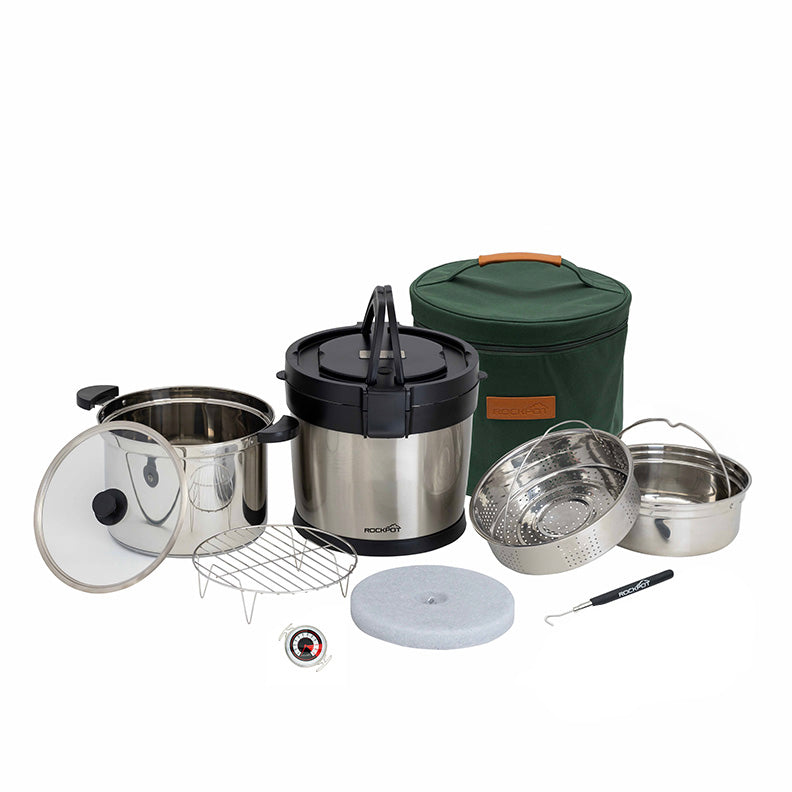
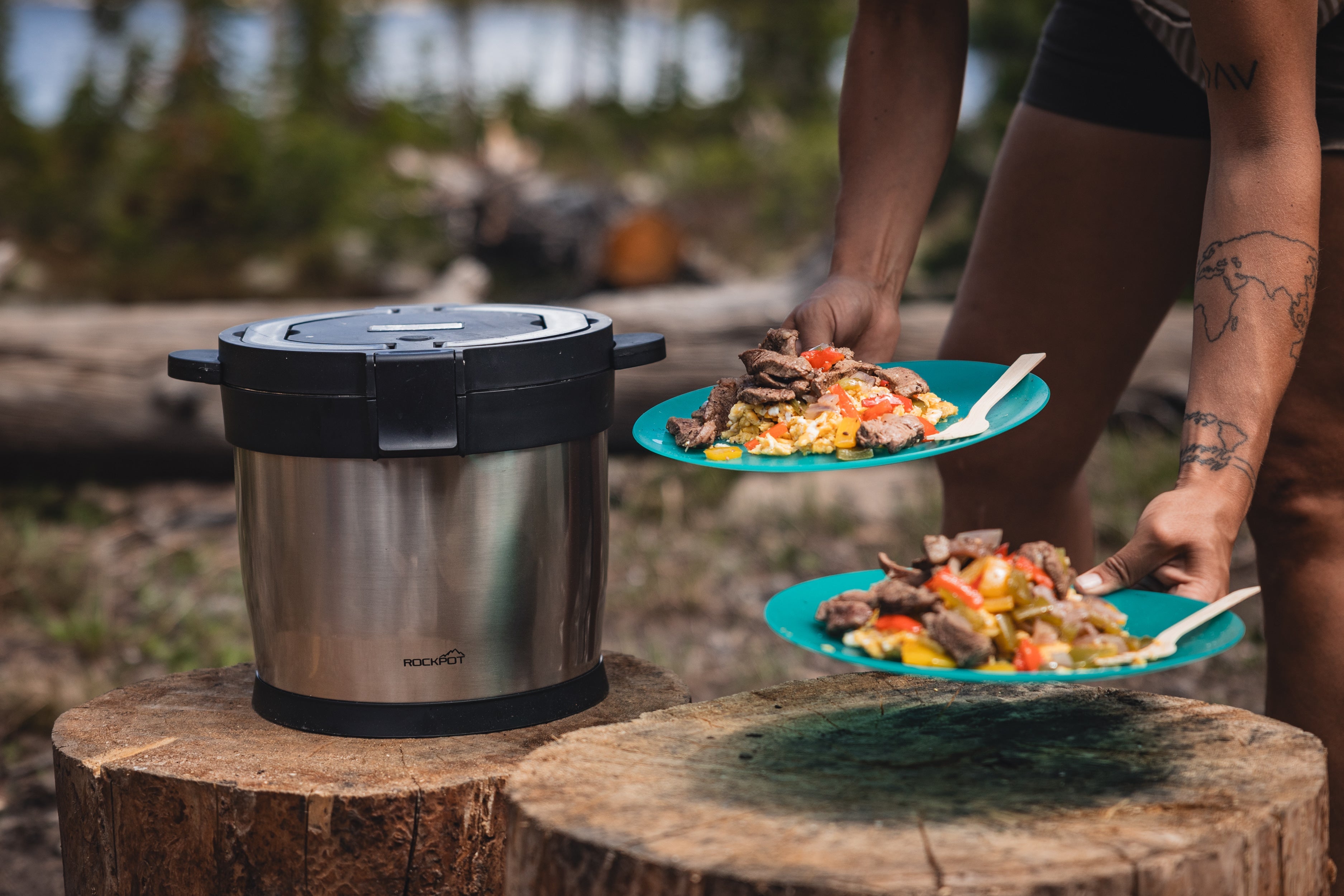
- Portable power and cooking: The EcoFlow DELTA 2 covers phone charging, a CPAP machine, a fan, and lighting for several days. The RockPot handles cooking without a kitchen or open fire. Larger capacity options in Backup Power Stations & Solar Generators.
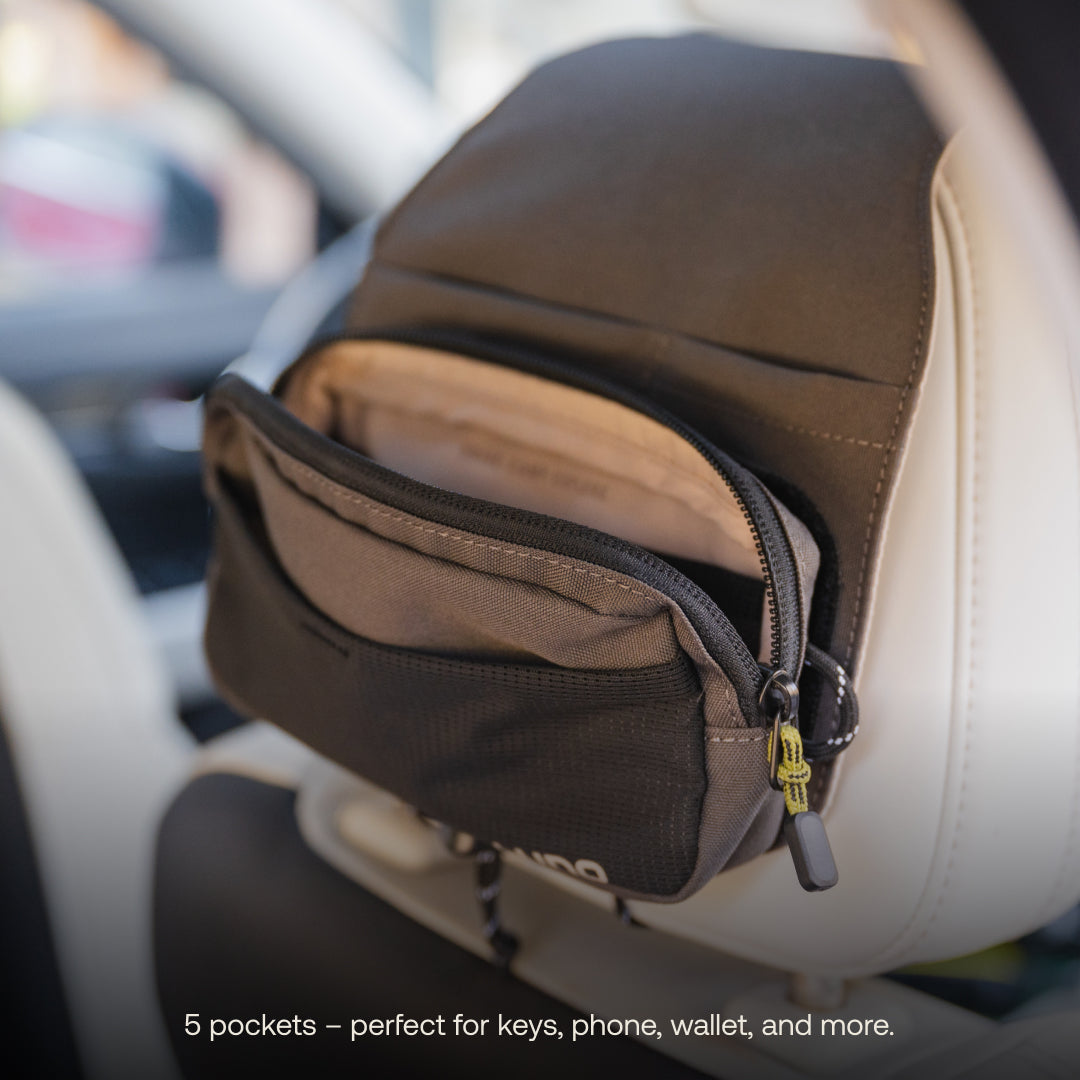
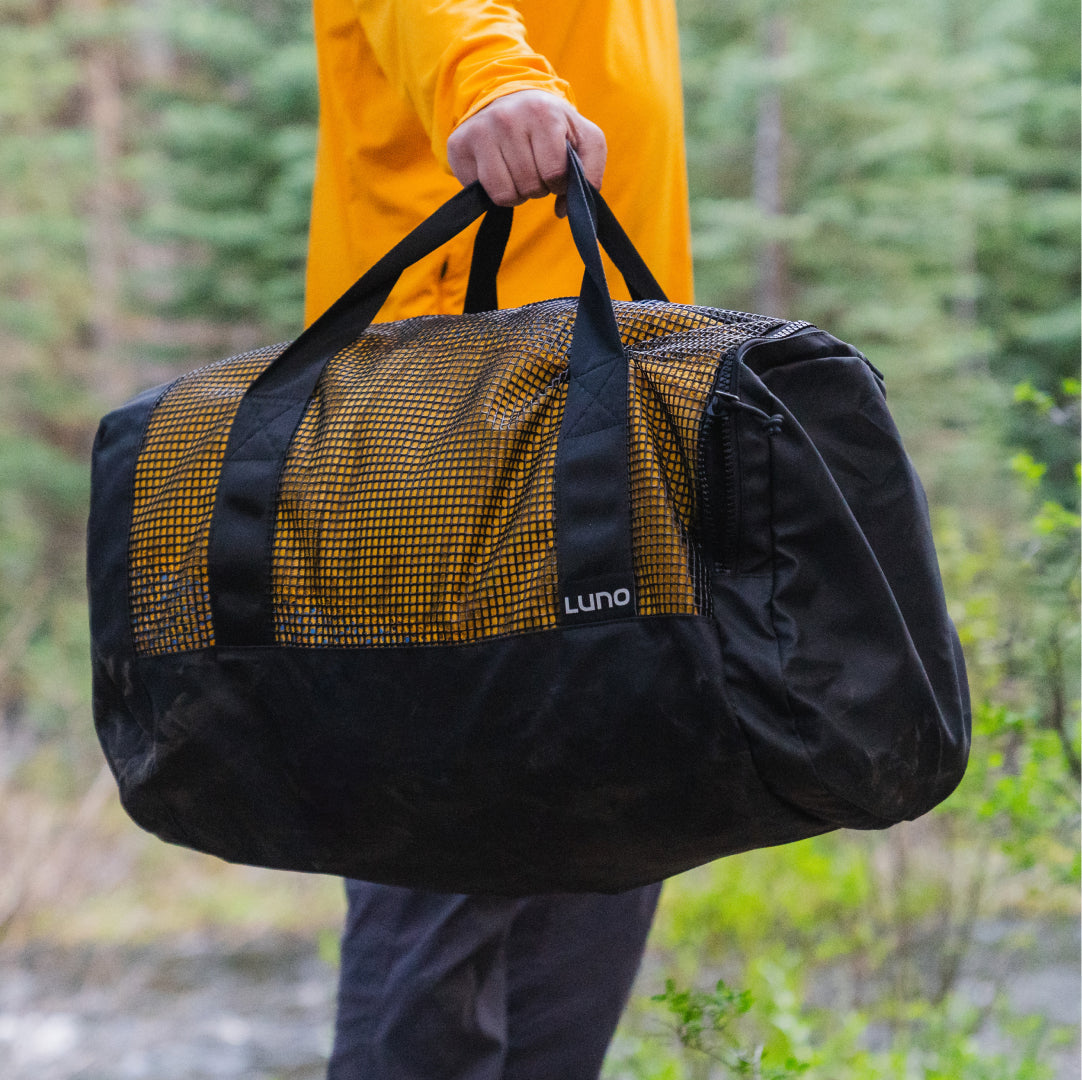
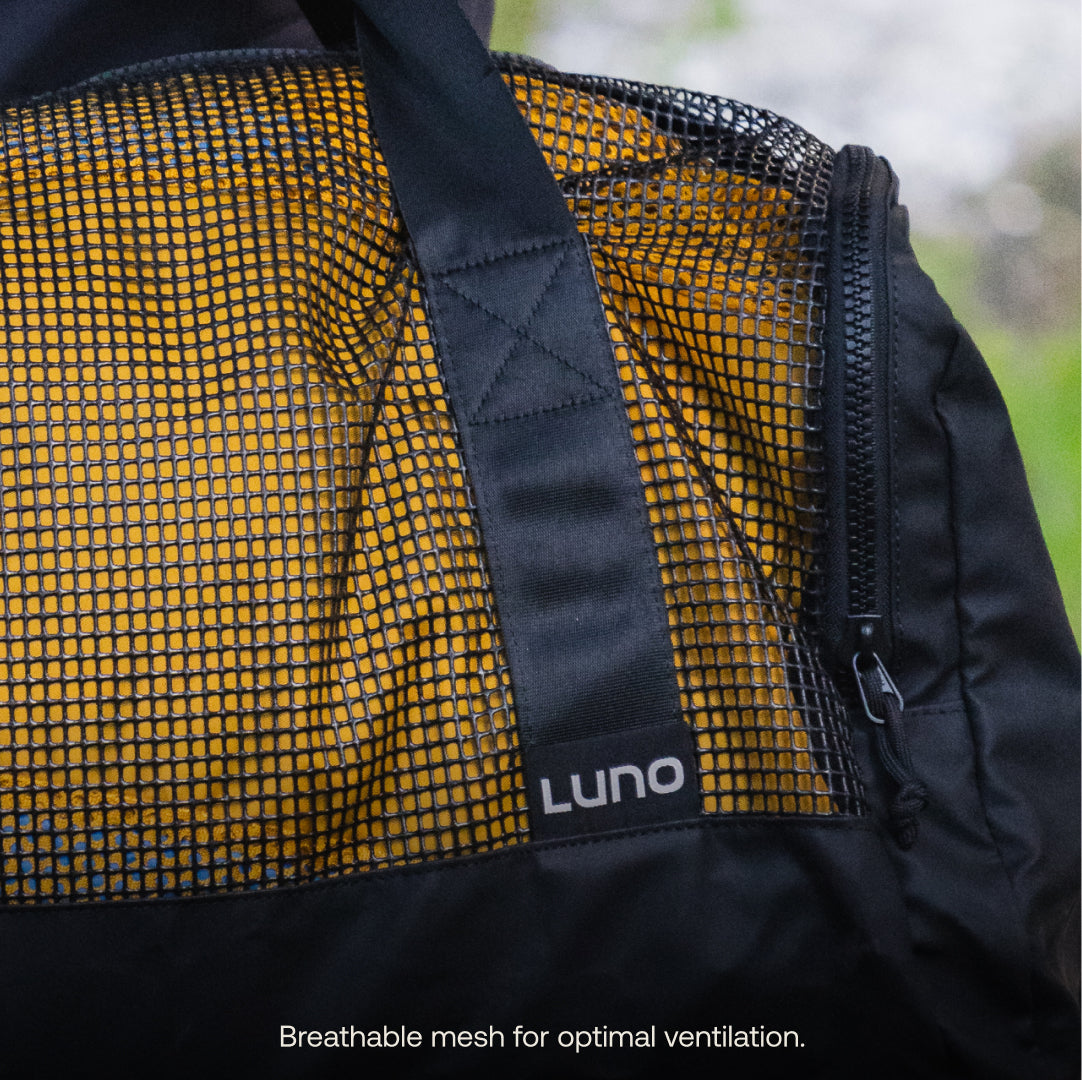
- Vehicle organization: Cargo hammocks, seatback organizers, and gear duffels. Unglamorous, but under stress the difference between finding things and digging for them matters more than it sounds.

Building the Setup in Order
Start with what covers the most likely scenario and build outward.
- Sleep and privacy first. Biggest quality-of-life change, and the piece most people skip. Without it the rest of the vehicle supports a plan you cannot execute past one night.
- Then information. A hand crank NOAA radio does not depend on cell coverage, phone battery, or the grid. See Emergency Radios & Communication Gear for SAME alert models.
- Then power, sized to what you actually need to run. Sizing guidance in Emergency Power & Light Solutions.
- Then supplies. A vehicle setup without Emergency Food Rations and a First Aid Kit is incomplete. Starting from nothing, a pre-built kit from Survival Kits for Every Emergency Scenario is faster than assembling piece by piece.
- Then the vehicle itself. A sleep setup is no use if the car will not start. Roadside Emergency Kits & Car Safety Gear covers jump starters, compressors, and window breakers.
One practical advantage of building it this way: you will actually use it. A vehicle mattress gets used on road trips and camping weekends, which means you learn the setup under low stakes and fix what is missing before it matters. The same logic applies to Outdoor Survival Gear for the Wilderness. Gear you have practiced with is worth more than gear you own.
Frequently asked questions
Why is vehicle camping gear in a disaster prep collection?
Because in most evacuations the vehicle is the shelter. Hotels and public shelters saturate within hours of a large-scale evacuation order, so the realistic plan for most households is sleeping in the car for at least the first few nights. A vehicle set up for sleeping, with a proper mattress, privacy, and ventilation, is a meaningfully different situation than one you are trying to sleep in.
What do I need to sleep in my car during an evacuation?
Four things: a flat sleeping surface, light and privacy control, ventilation, and warmth. A vehicle-specific inflatable mattress handles the first by filling the actual floor shape including wheel wells and seat gaps. Window screens and privacy curtains handle the second and third, letting you sleep with airflow but without insects or exposure. A fitted comforter or quilt handles the fourth. Add a NOAA radio and a portable power station and the setup works for several nights rather than one uncomfortable one.
Are the Luno mattresses vehicle-specific or universal?
Both, depending on the model. Luno makes vehicle-specific versions cut for the 4Runner, Jeep Wrangler, Rivian R1S, and van front cabs, plus universal AIR Pro and AIR+FOAM Pro mattresses that fit a wider range. The vehicle-specific versions fit better because they match the actual floor shape. Check the product page for your vehicle, or see the full Luno range.
What is the minimum vehicle setup for a family?
Sleep and information. A mattress sized to your vehicle and a hand crank NOAA radio cover the two things that matter most in the first 72 hours: rest and official alerts. Add portable power next, then food, water, and medical. A pre-built kit from Survival Kits for Every Emergency Scenario covers the supply side quickly.
Do I still need a bug out bag if my vehicle is set up?
Yes. A vehicle setup assumes you have the vehicle. Roads close, cars break down, and some evacuations happen on foot. A 72-hour bag covers the scenario where the vehicle is not usable. The two are complementary: the bag covers mobility, the vehicle setup covers sustained shelter. Go bags are in Survival Kits for Every Emergency Scenario.
HAVE QUESTIONS OR NEED HELP CHOOSING THE RIGHT SURVIVAL GEAR? GET IN TOUCH WITH US TODAY – WE'RE HERE TO HELP!