
How a Personal Safety Alarm Actually Works
A personal safety alarm is a deterrent, not a weapon. It does not stop someone physically. What it does is change the conditions an attacker is counting on.
Most confrontations in parking garages, stairwells, on quiet streets, or in isolated spots depend on one thing: Nobody noticing. A 130 decibel siren removes that. It draws attention from anyone within earshot, it is disorienting at close range, and it signals that the situation has stopped being private. Most people looking for an easy target leave at that point.
The practical advantages over most alternatives are worth stating plainly. It requires no training, no accuracy, and no physical strength. It does not depend on you being calm. It cannot be taken and used against you. And it is legal to carry in virtually every jurisdiction, which is not true of most other self-defense tools.

What This Collection Covers
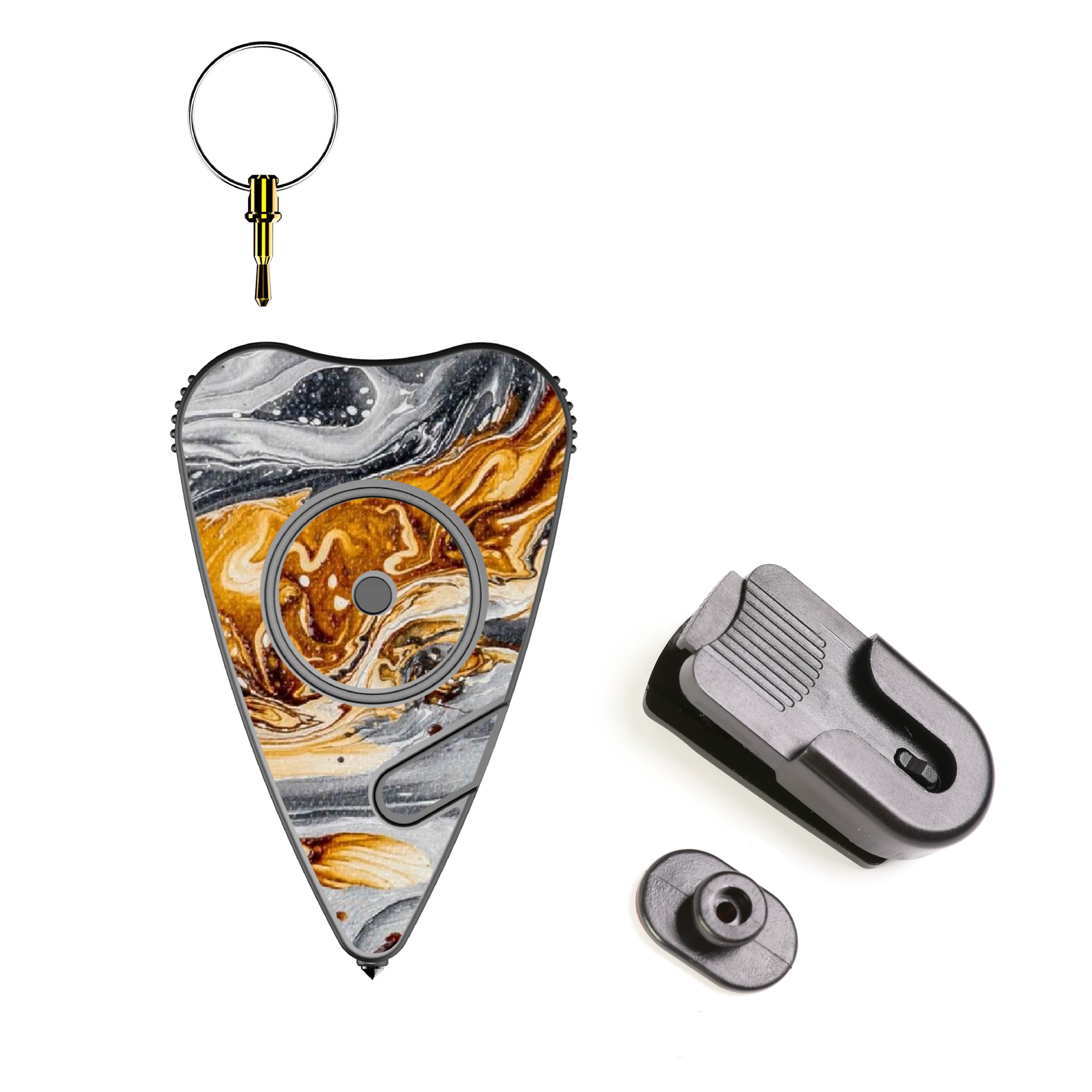
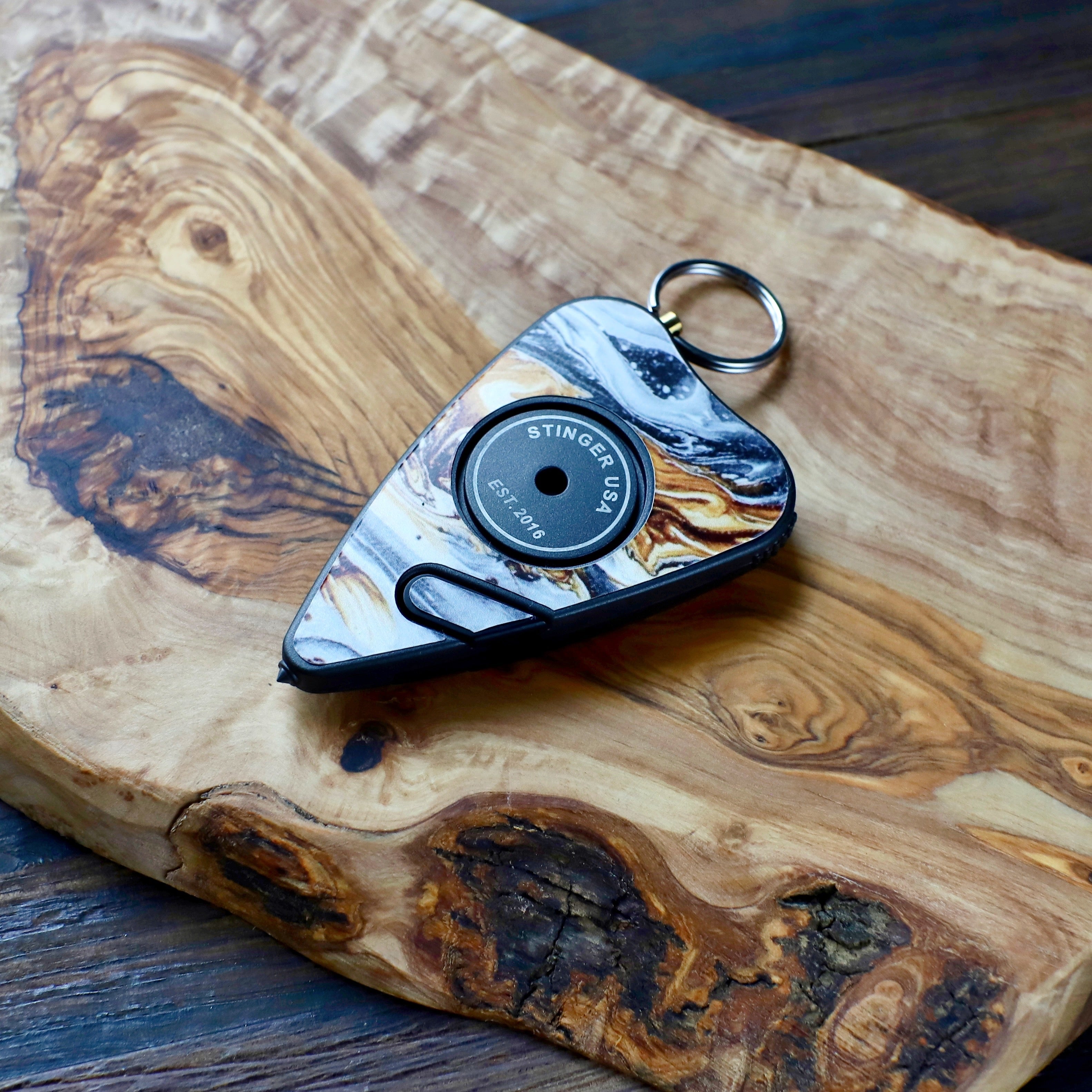
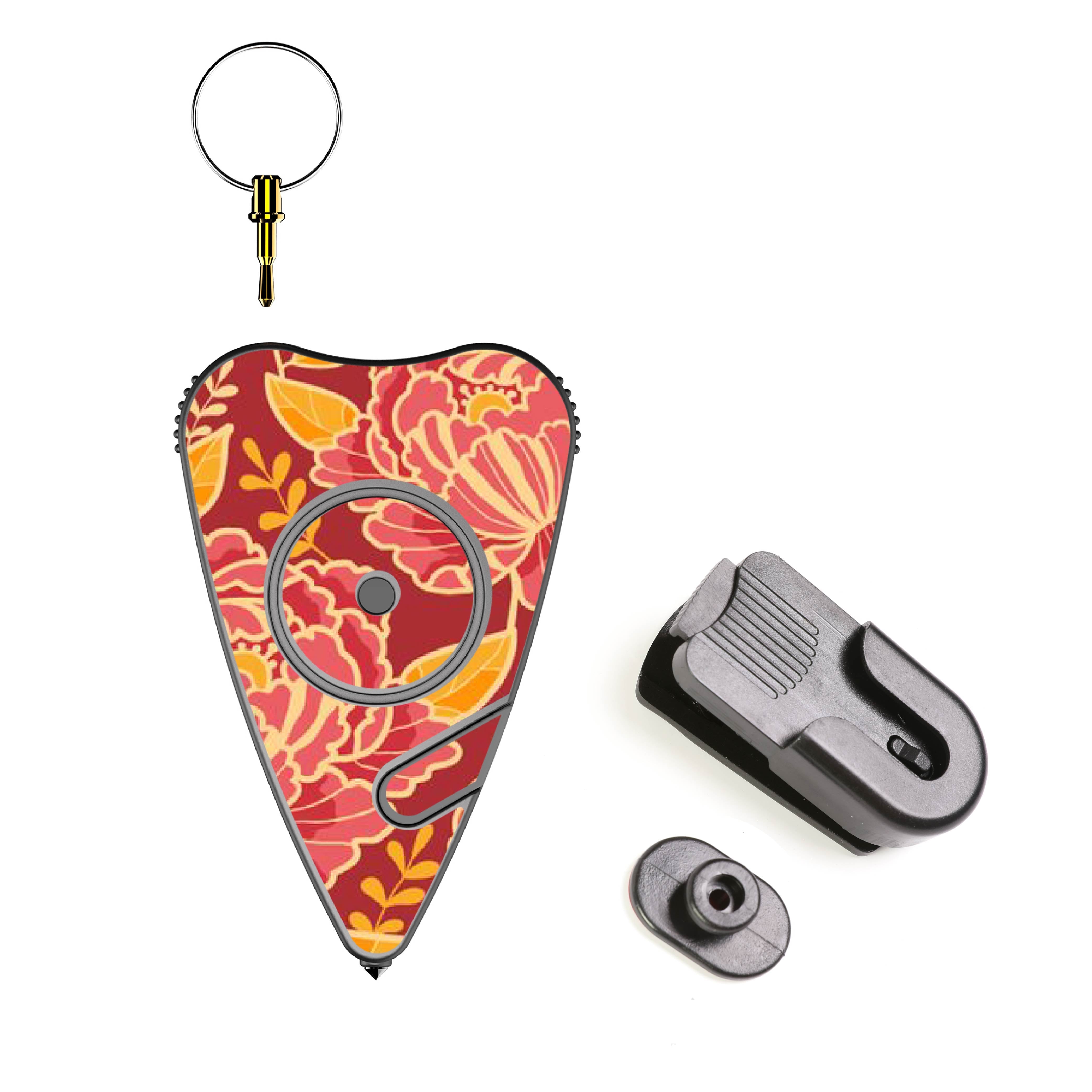
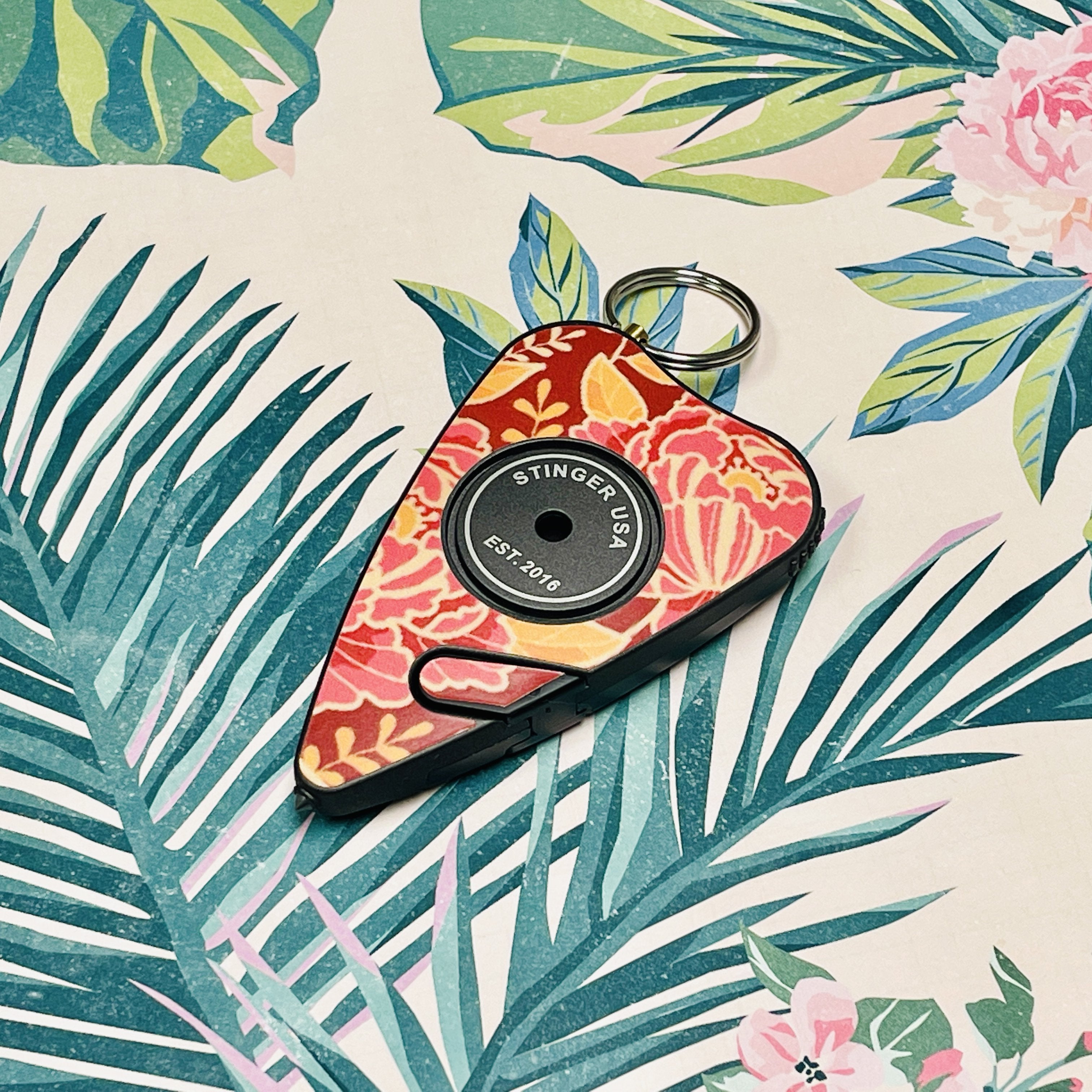
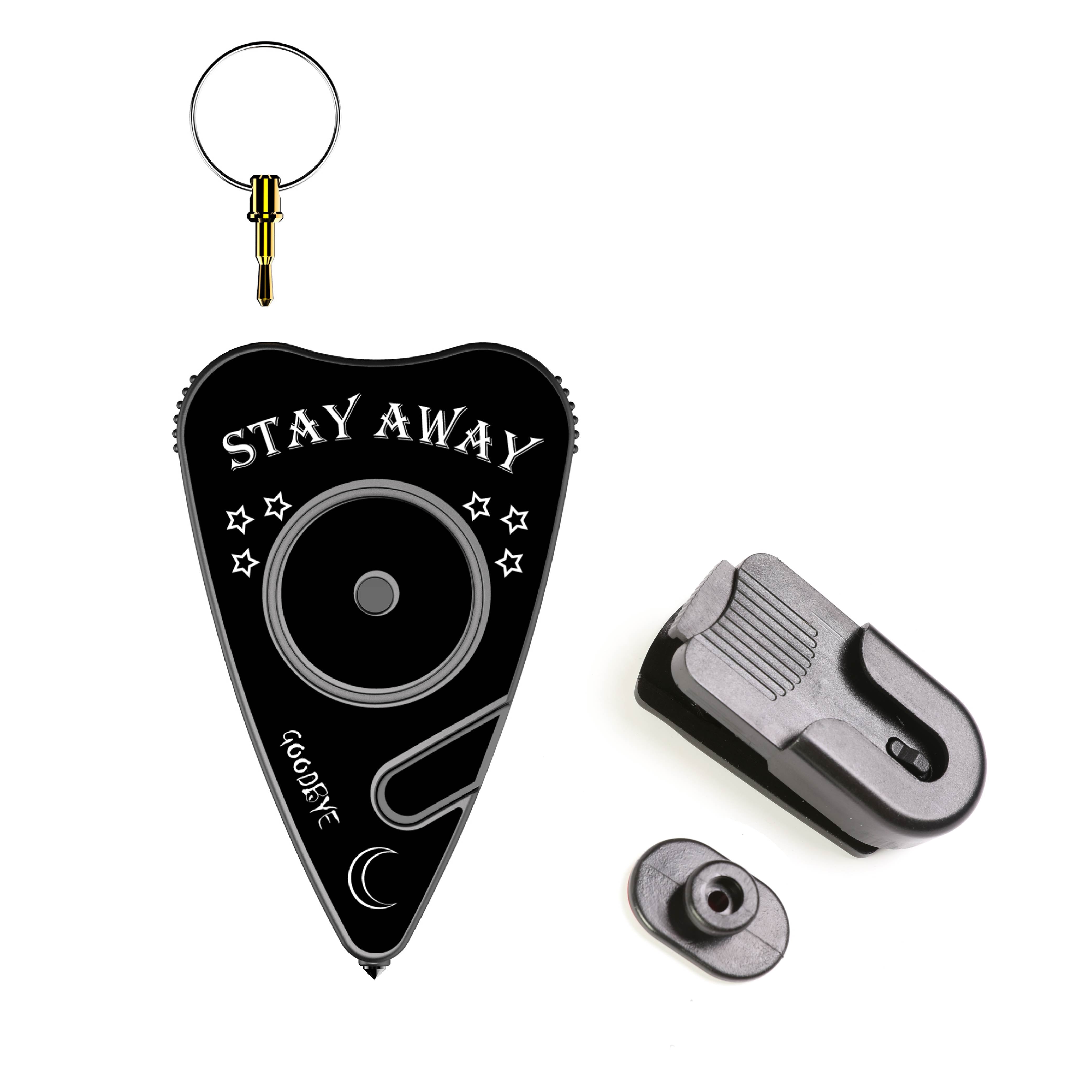
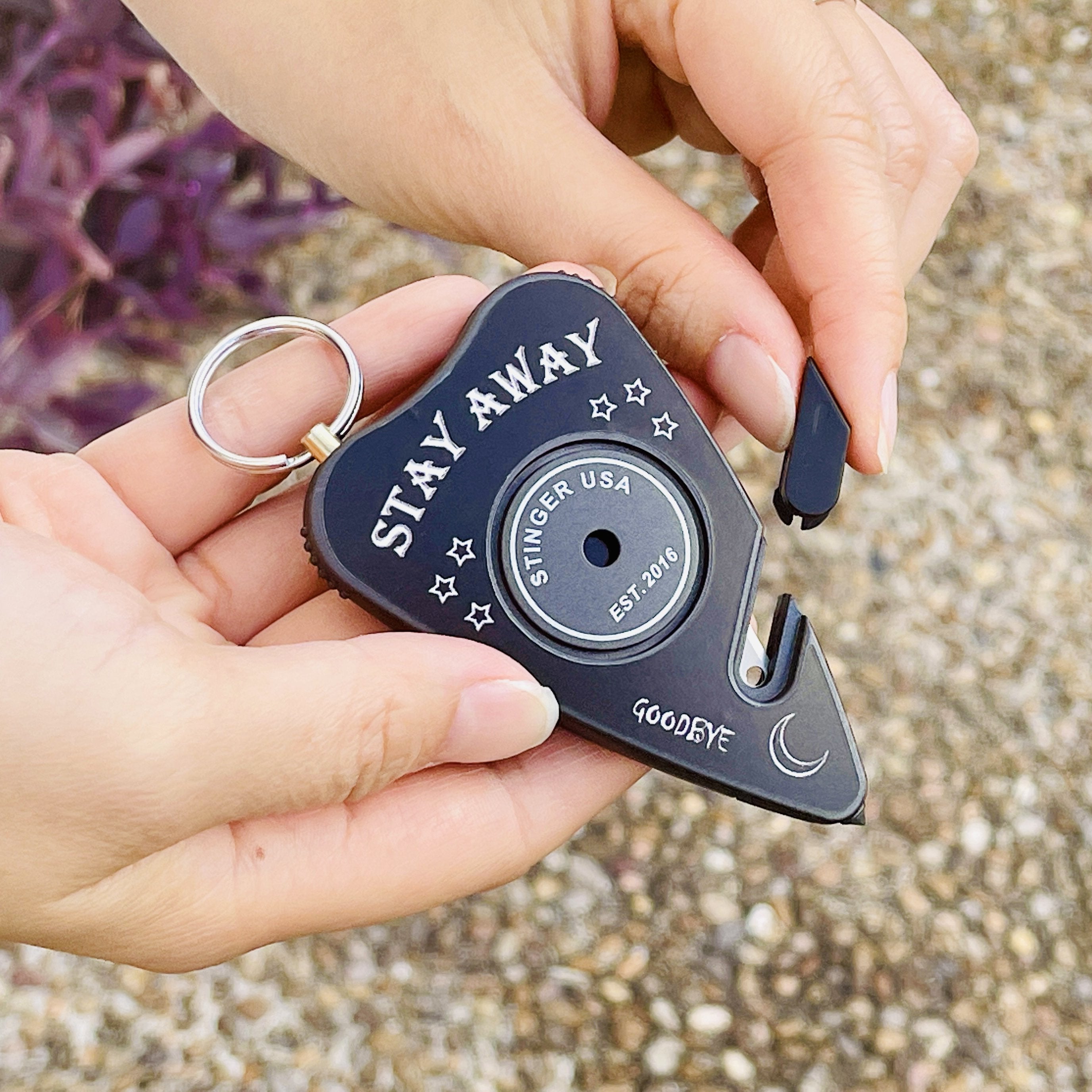
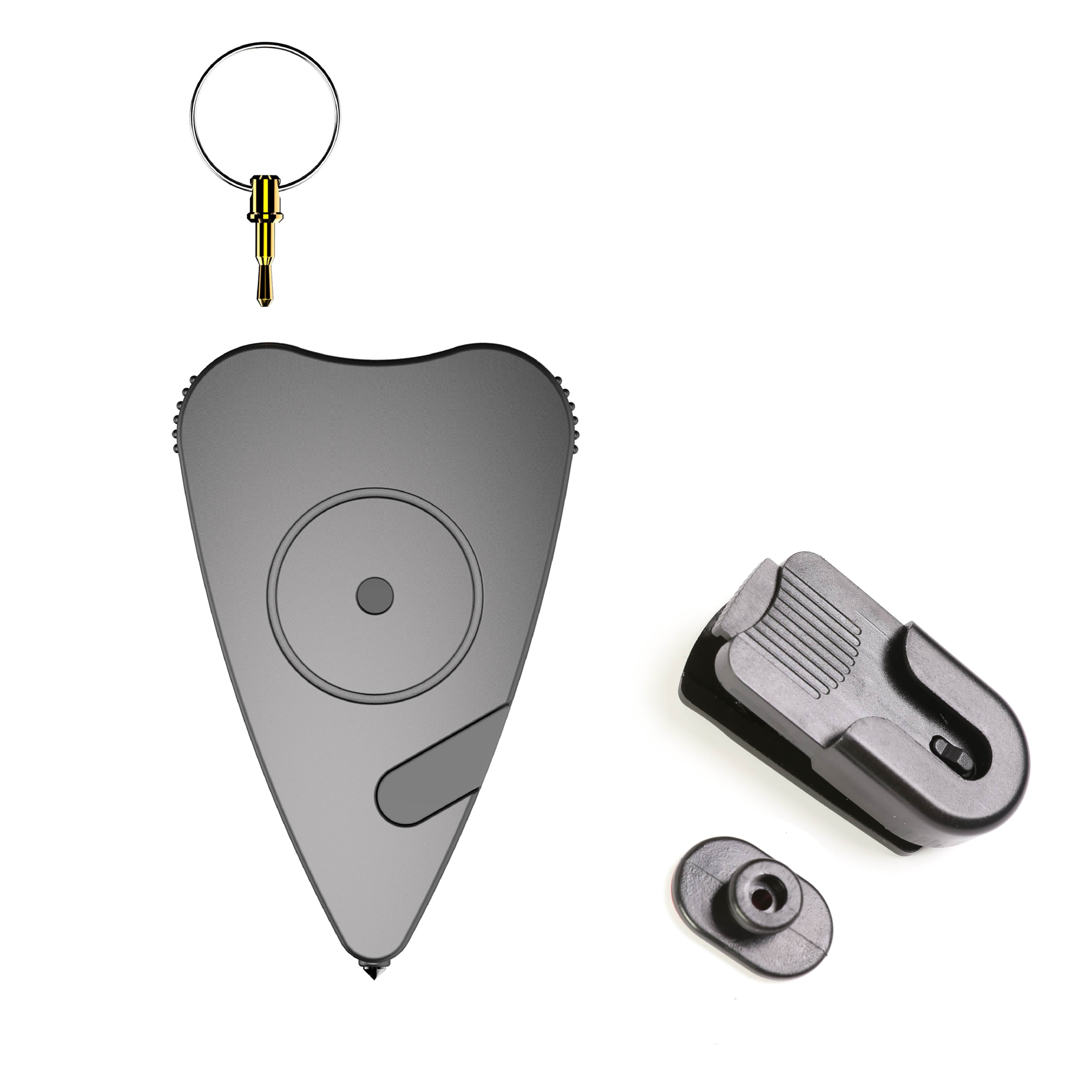
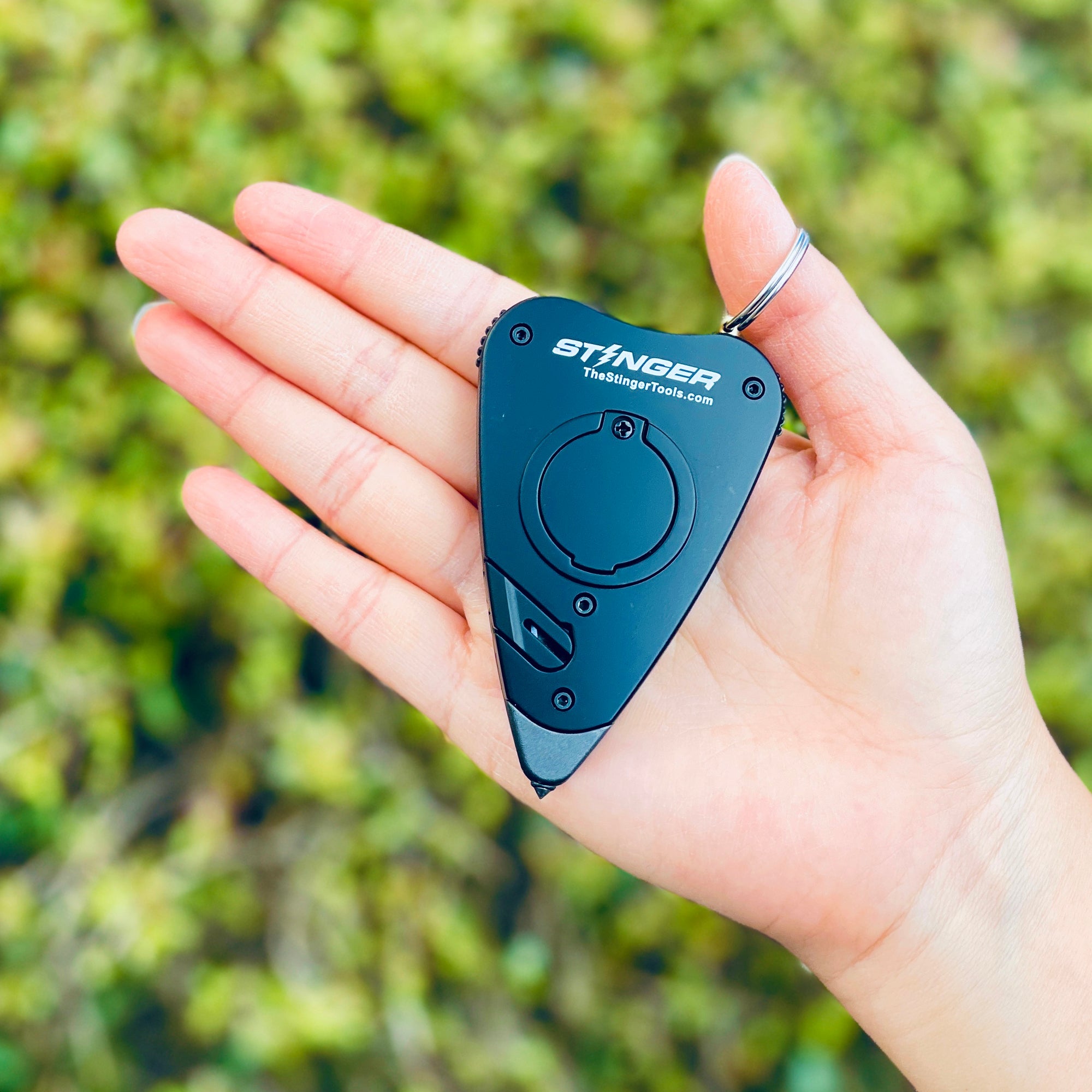
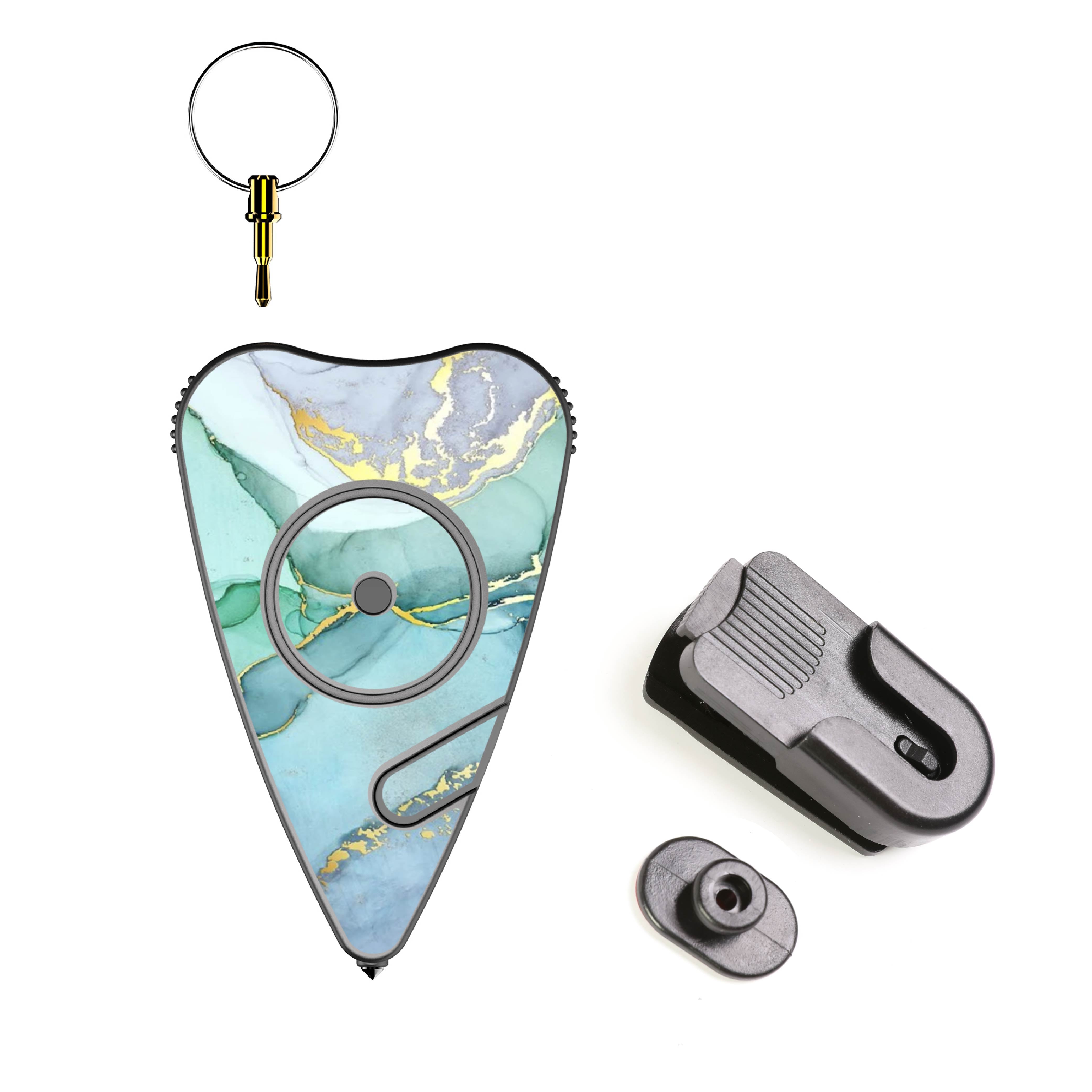
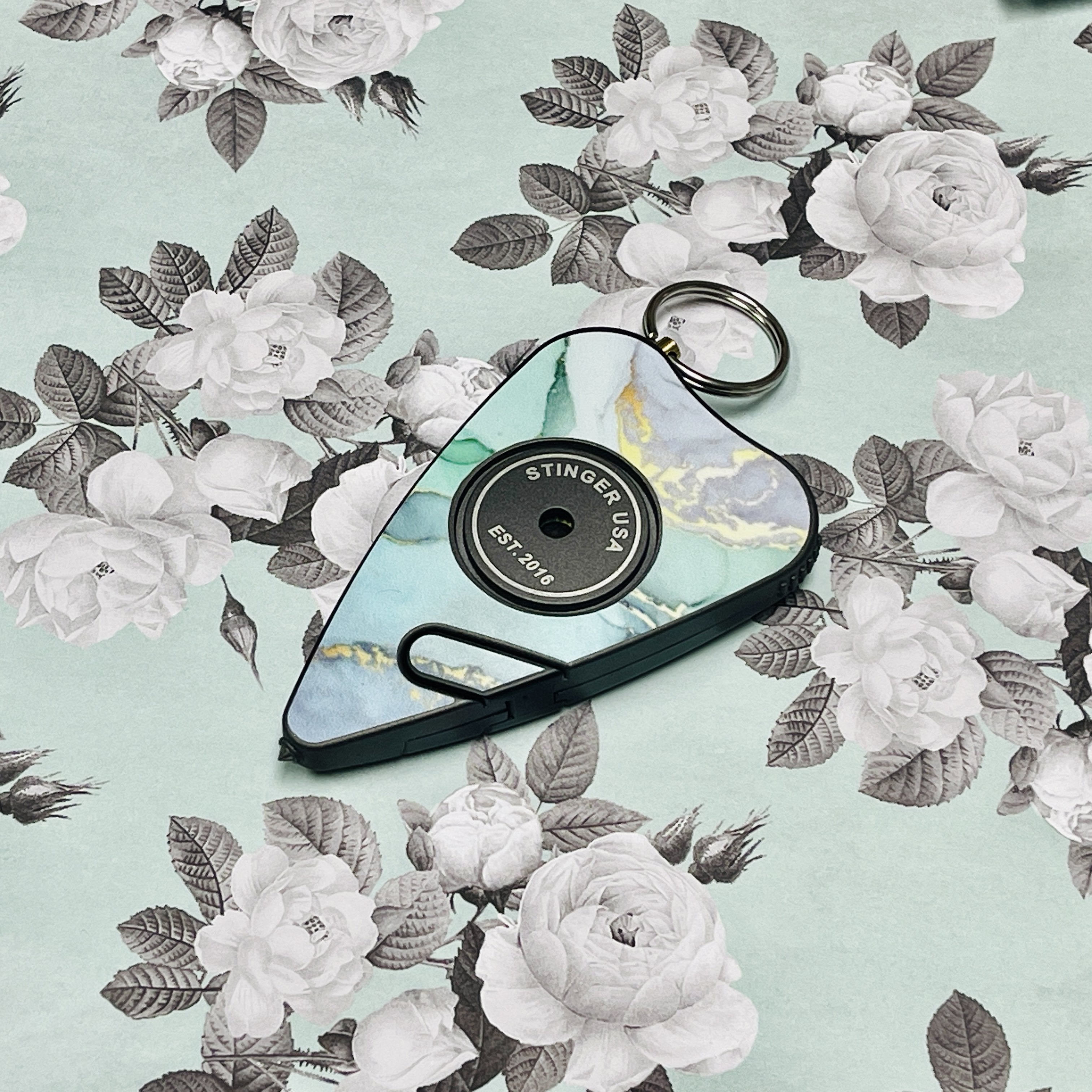
- Personal safety alarm keychains: The Stinger alarm keychain combines a high-decibel siren with two vehicle escape tools in one keyring-sized unit. Available in a wide range of colorways and patterns, because a safety tool you find ugly is a safety tool you leave at home.
- Integrated seat belt cutter: A recessed blade for cutting through a jammed or inaccessible seat belt after a collision. Recessed so it cannot cut you in a pocket or bag.
- Integrated glass breaker: A hardened tip for breaking a side window if a door will not open, which matters most in the two scenarios where seconds count: Submersion and fire.
- Everyday carry format: Keyring-sized and light enough that it stays with you rather than living in a drawer. This is the difference between owning a safety tool and having one. For vehicle-specific escape tools in a larger format, see Roadside Emergency Kits & Car Safety Gear.

Building an Everyday Carry Safety Setup
Personal safety is layered the same way any preparedness is. Start with what covers the widest range of situations for the least effort, then build outward.
- Start with a noise maker. It covers the most scenarios, requires nothing from you but a thumb, and carries no legal complications. If you carry one thing, carry this.
- Add a light. A bright handheld light is a genuine deterrent, it removes the dark that most opportunistic situations rely on, and it has a hundred ordinary uses in between.
- Add a way to treat an injury. Most everyday emergencies are medical, not criminal. A compact kit from First Aid Kits & Emergency Medical Supplies covers far more likely scenarios than any defensive tool.
- Add a way to call for help that does not depend on a phone. Coverage fails, batteries die. Options are in Emergency Radios & Communication Gear.
Habits matter as much as hardware. Carry it where you can reach it in under a second, not at the bottom of a bag. Test it once so you know how loud it is and how it feels to trigger. Tell the people you live with what it sounds like. Gear you have handled once beats gear you have only bought. The same logic applies across Survival Kits for Every Emergency Scenario and Outdoor Survival Gear for the Wilderness.
Frequently asked questions
What personal safety tools should I carry every day?
For most people, three things cover the widest range of realistic situations: a personal safety alarm, a bright handheld light, and a compact first aid kit. The alarm is the highest-value item because it requires no training, no physical strength, and no accuracy, and it is legal to carry almost everywhere. A light removes the darkness that opportunistic situations depend on and is useful daily. A small first aid kit covers medical emergencies, which are far more statistically likely than criminal ones. Beyond that, a charged phone and a habit of telling someone where you are going do more for everyday safety than any additional hardware. Whatever you carry, keep it reachable in under a second, not buried in a bag.
What is the difference between a personal alarm and a self-defense weapon?
A personal alarm is a deterrent device. It emits a loud siren, typically around 130 decibels, to attract attention and remove the privacy an attacker depends on. It does not touch the other person and causes no physical harm. A self-defense weapon, such as pepper spray, a stun device, or a knife, is designed to physically stop or incapacitate someone. The practical differences matter: alarms require no training, no accuracy, and no physical strength; they cannot be taken and used against you; they carry no risk of escalating a situation; and they are legal to carry in virtually every jurisdiction, while self-defense weapons are restricted or banned in many places and often carry age, permit, or location rules. Laws vary by state, country, and even by venue such as schools, courthouses, and airports, so check the rules where you live and travel before carrying any defensive tool.
How loud is a personal safety alarm, and is that actually enough?
Most personal safety alarms run around 120 to 130 decibels, comparable to a chainsaw or a jet engine at close range. At arm's length that is disorienting, and it carries well across open ground such as a parking lot or a street. The deterrent effect is less about physical discomfort and more about attention: it signals loudly that the situation is no longer private and that people are likely to look. That is usually enough to end an approach that depended on going unnoticed. It is not a guarantee, and no single tool is. It is a high-value, low-effort layer in a broader habit of situational awareness.
Why does a safety alarm keychain include a seat belt cutter and glass breaker?
Because the two most time-critical emergencies most people will actually face are a car accident and being unable to exit a vehicle. A jammed or inaccessible seat belt and a door that will not open are both common after a collision, and both become life-threatening in a submersion or fire. Combining a recessed blade and a hardened glass-breaking tip with the alarm means one keyring-sized item covers both personal safety and vehicle escape. For larger-format vehicle escape tools designed to be mounted within reach of the driver seat, see Roadside Emergency Kits & Car Safety Gear.
Are personal safety alarms legal to carry?
Personal safety alarms are legal to carry in virtually every jurisdiction, including places where pepper spray, stun devices, and knives are restricted. Because an alarm is a noise-making device rather than a weapon, it generally falls outside weapons legislation entirely. This makes it a practical option for students, commuters, travellers, and anyone crossing state or national borders regularly, where the rules on other defensive tools change without warning. Local rules can still apply in specific venues, so check the regulations where you live and travel.
Who are these most useful for?
Anyone who regularly walks alone, especially after dark: students on campus, shift workers, commuters using transit or parking structures, runners and dog walkers, and people who travel for work. They are also a common purchase for a parent buying for a teenager or a college student, because there is no training curve, no legal complication in shipping or carrying it, and nothing that can be turned against the person carrying it. The vehicle escape functions make them equally relevant for anyone who drives regularly.
HAVE QUESTIONS OR NEED HELP CHOOSING THE RIGHT SURVIVAL GEAR? GET IN TOUCH WITH US TODAY – WE'RE HERE TO HELP!