
When cell networks go down and the power is out, your ability to receive emergency alerts and stay in contact with your group depends entirely on what you have in your hand. Our emergency radios and communication gear collection covers NOAA weather radios, hand crank and solar powered emergency radios, and two-way radios built for exactly the conditions where your phone stops working.

Information is the resource most people forget to prepare for. Knowing what is happening and what authorities are recommending in the first hours of a major emergency is often the difference between making the right call and the wrong one. The people counting on you need you informed and reachable before anything goes wrong, and a quality emergency radio is one of the highest-leverage items in any preparedness setup.

Emergency Radios & Communication Gear

Showing 147 of 147 products

Filter and sort

Filter and sort

147 Results

Showing 147 of 147 products
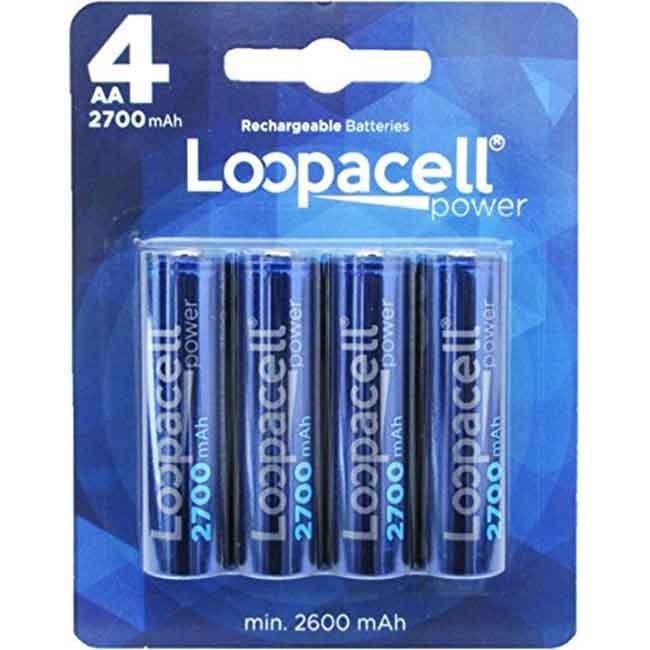
  • Rechargeable Scanner Batteries
    Regular price
    $11.99 - $59.99
    Sale price
    $11.99 - $59.99
    Regular price
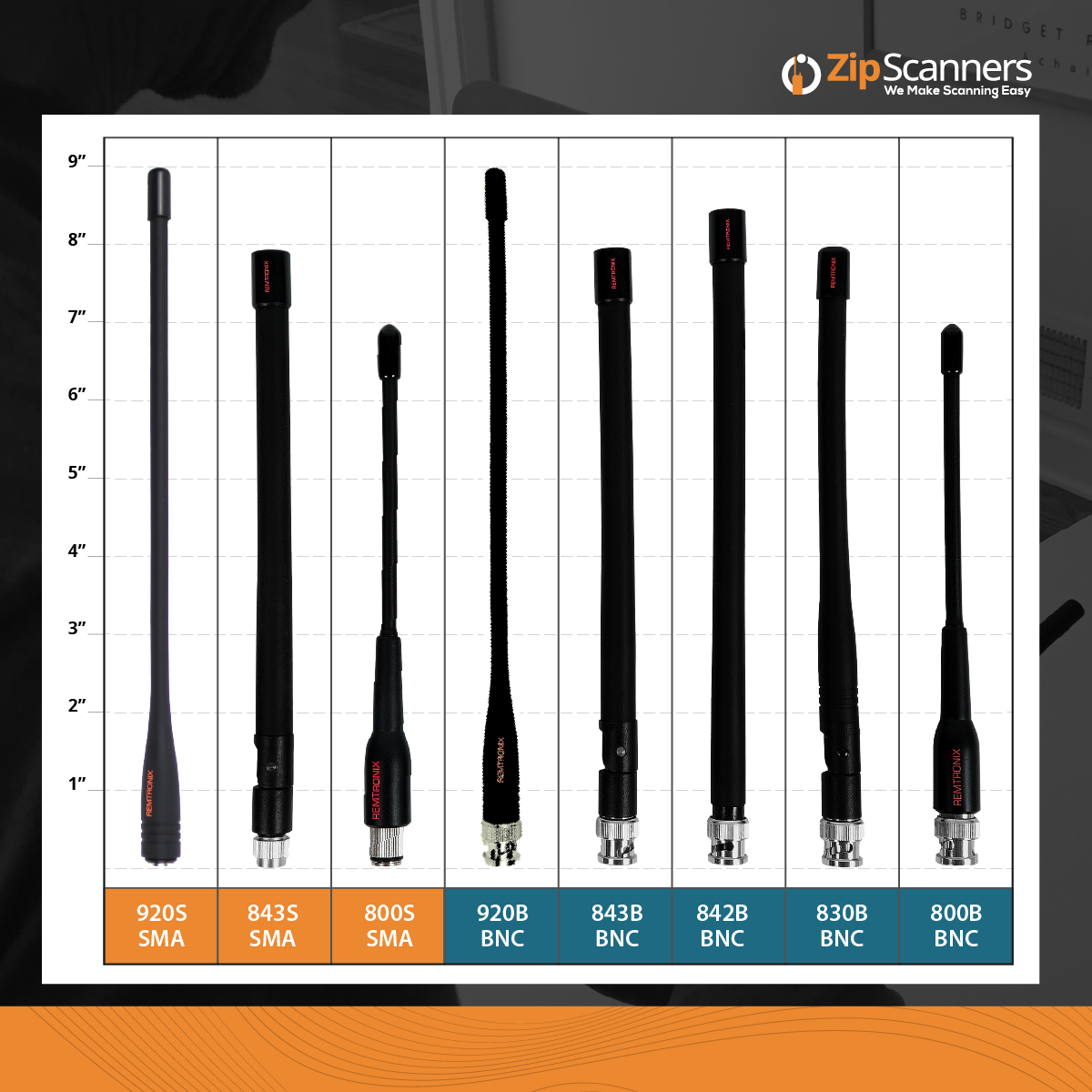
  • Remtronix Police Scanner Antenna
    Regular price
    $59.99
    Sale price
    $59.99
    Regular price
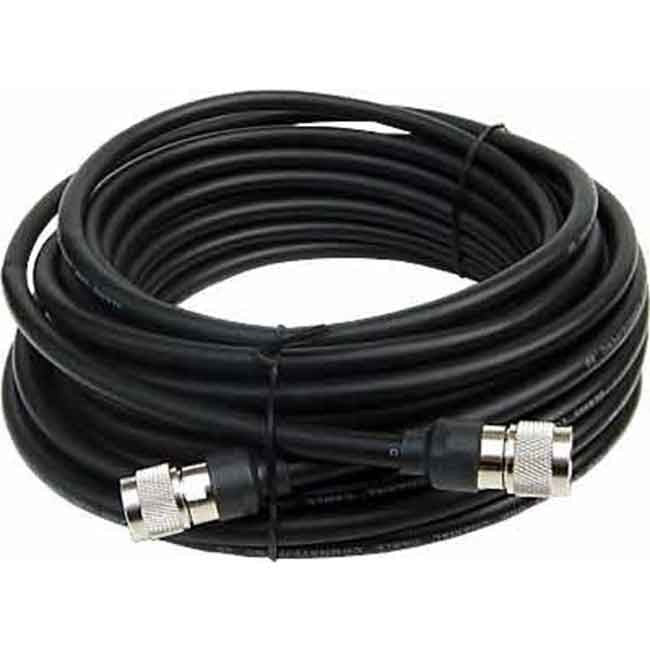
  • RG6 Coax Cable - 10'- 100'
    Regular price
    $24.99 - $69.99
    Sale price
    $24.99 - $69.99
    Regular price
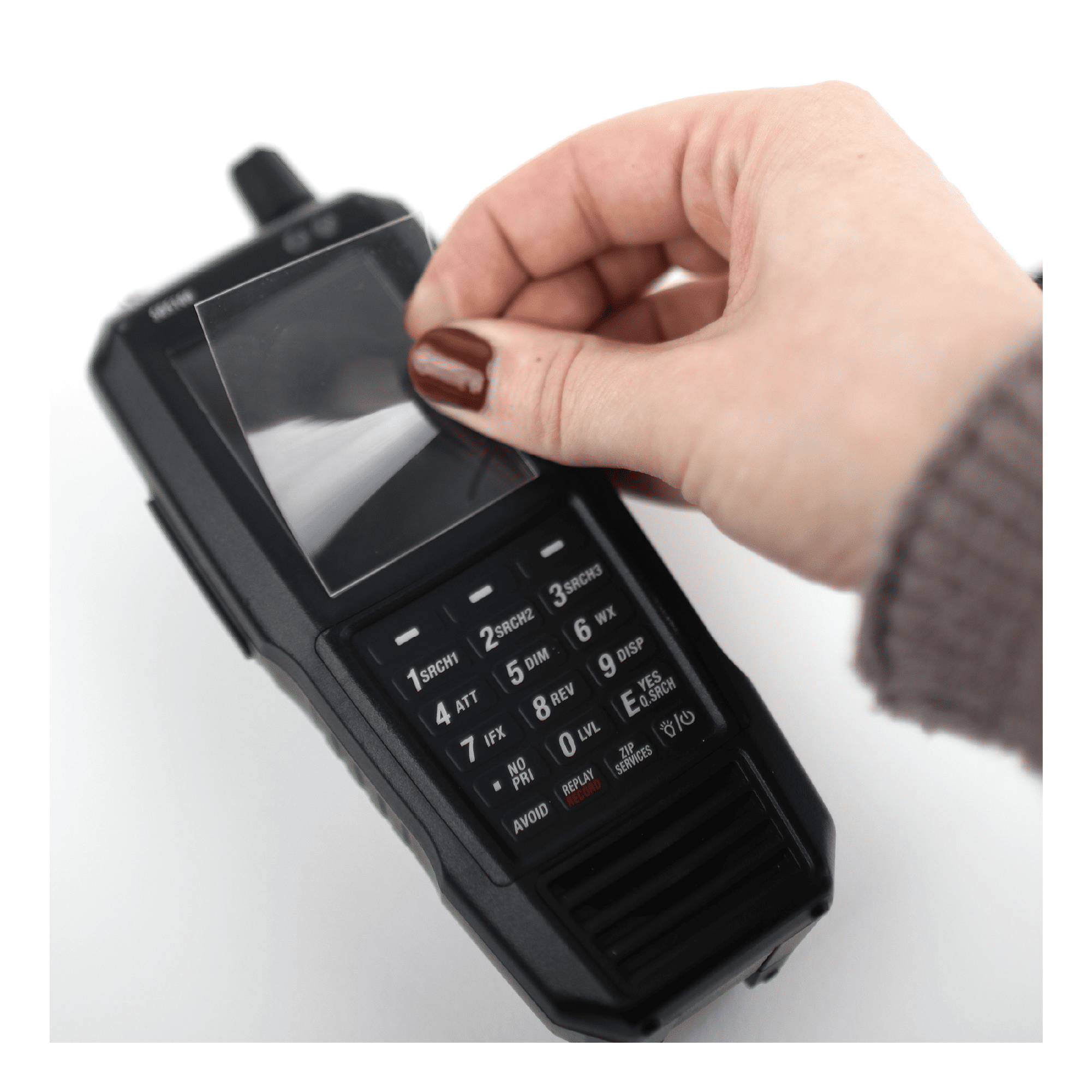
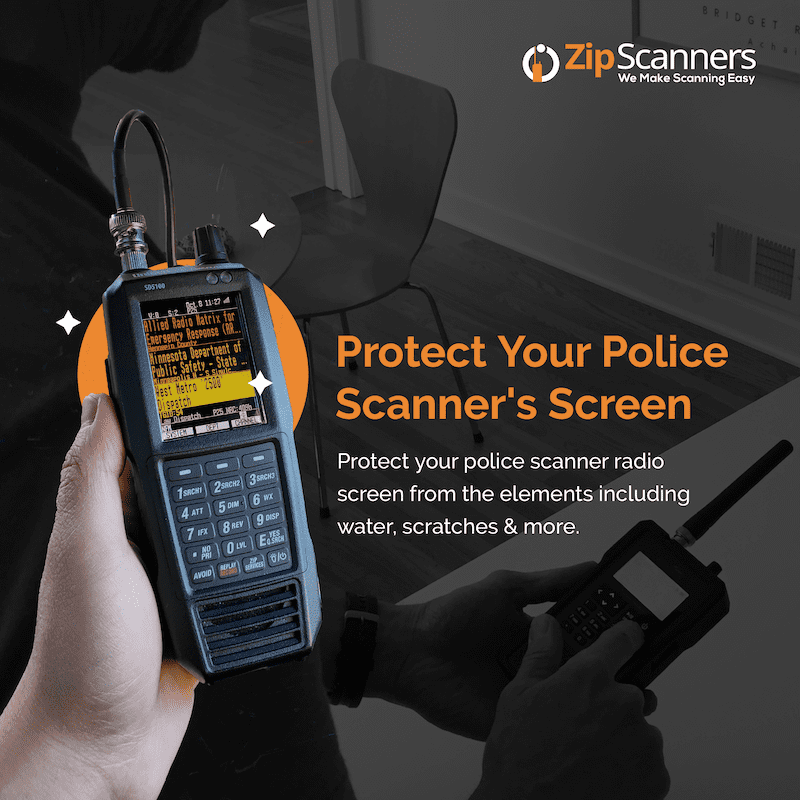
  • Scanner Screen Protectors
    Regular price
    $14.99
    Sale price
    $14.99
    Regular price
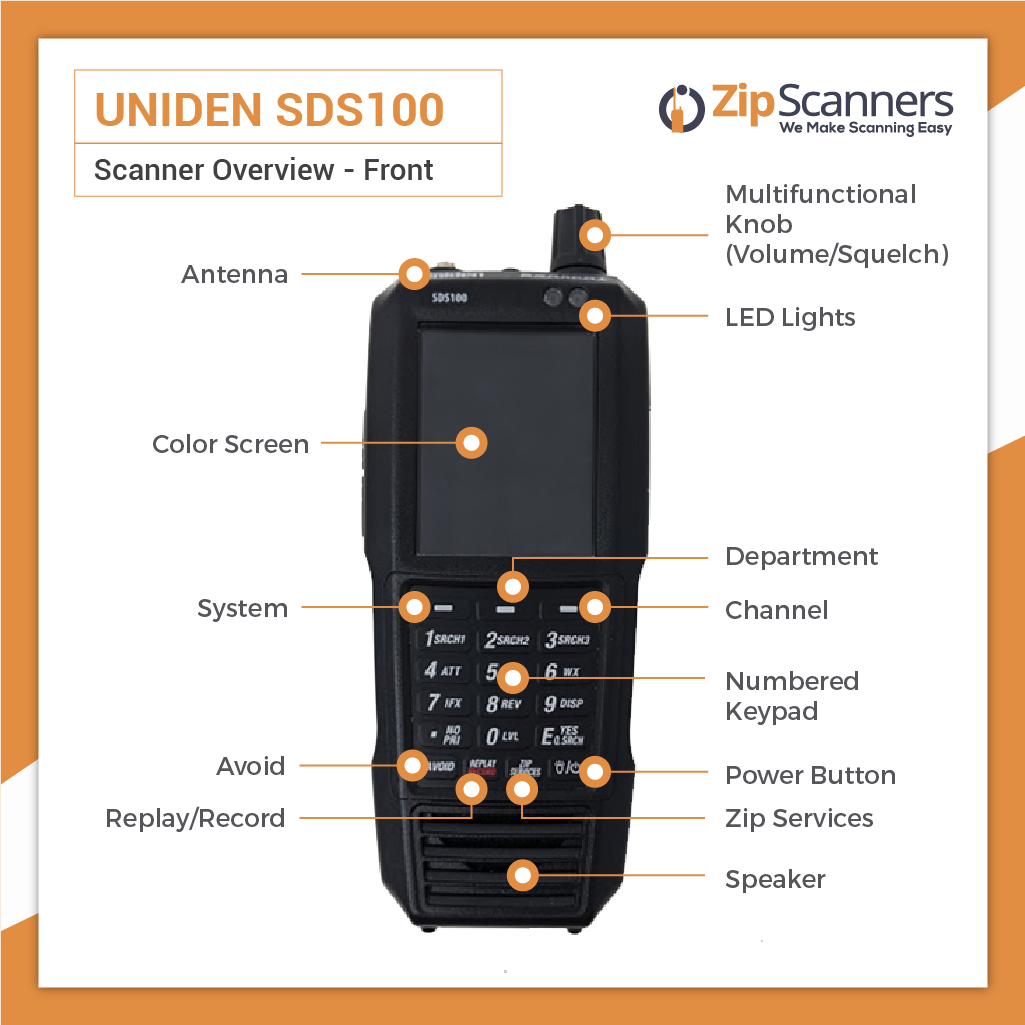
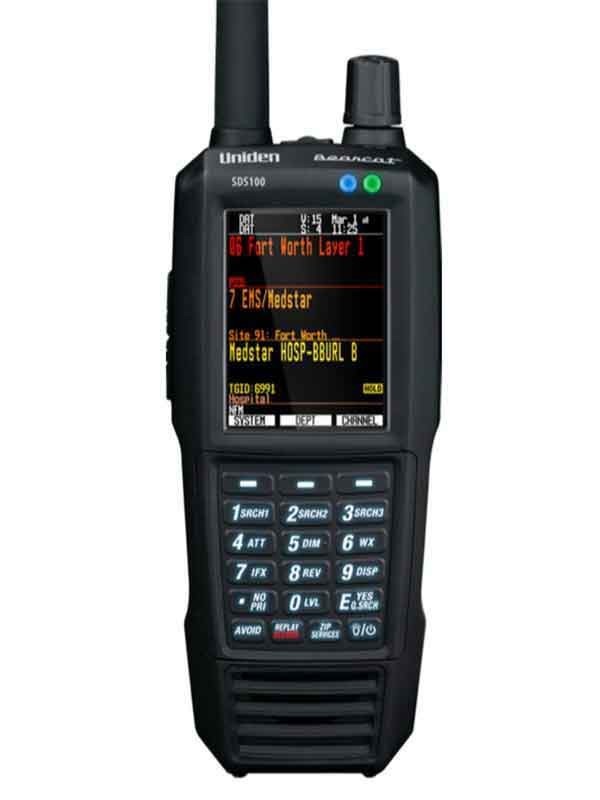
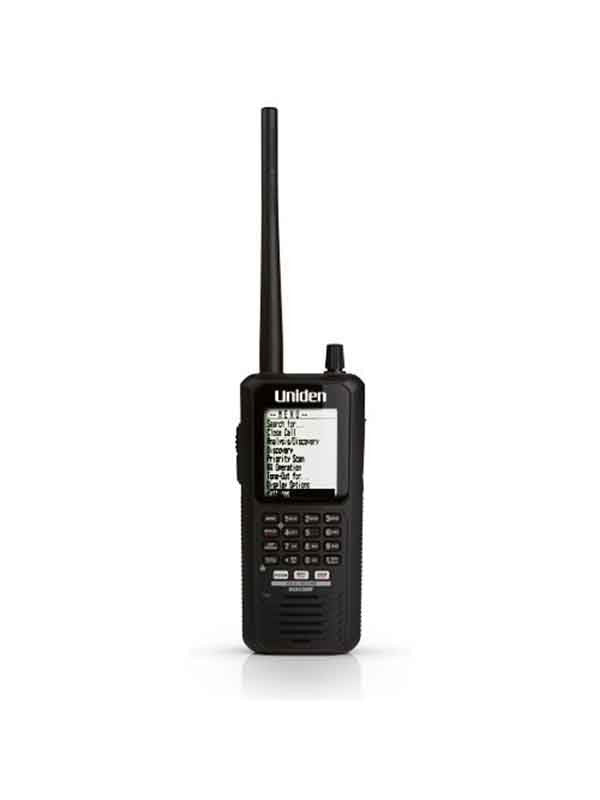
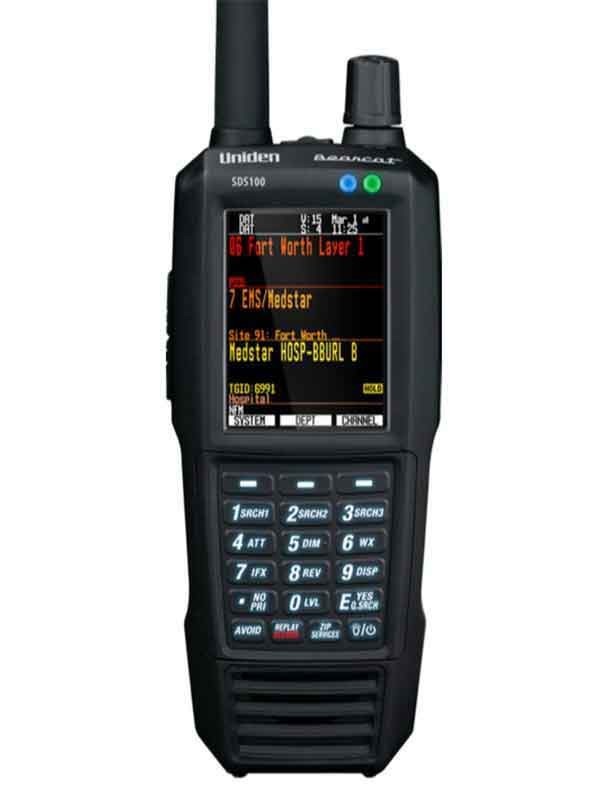
  • SDS100 Uniden Police Scanner
    Regular price
    $699.99
    Sale price
    $699.99
    Regular price
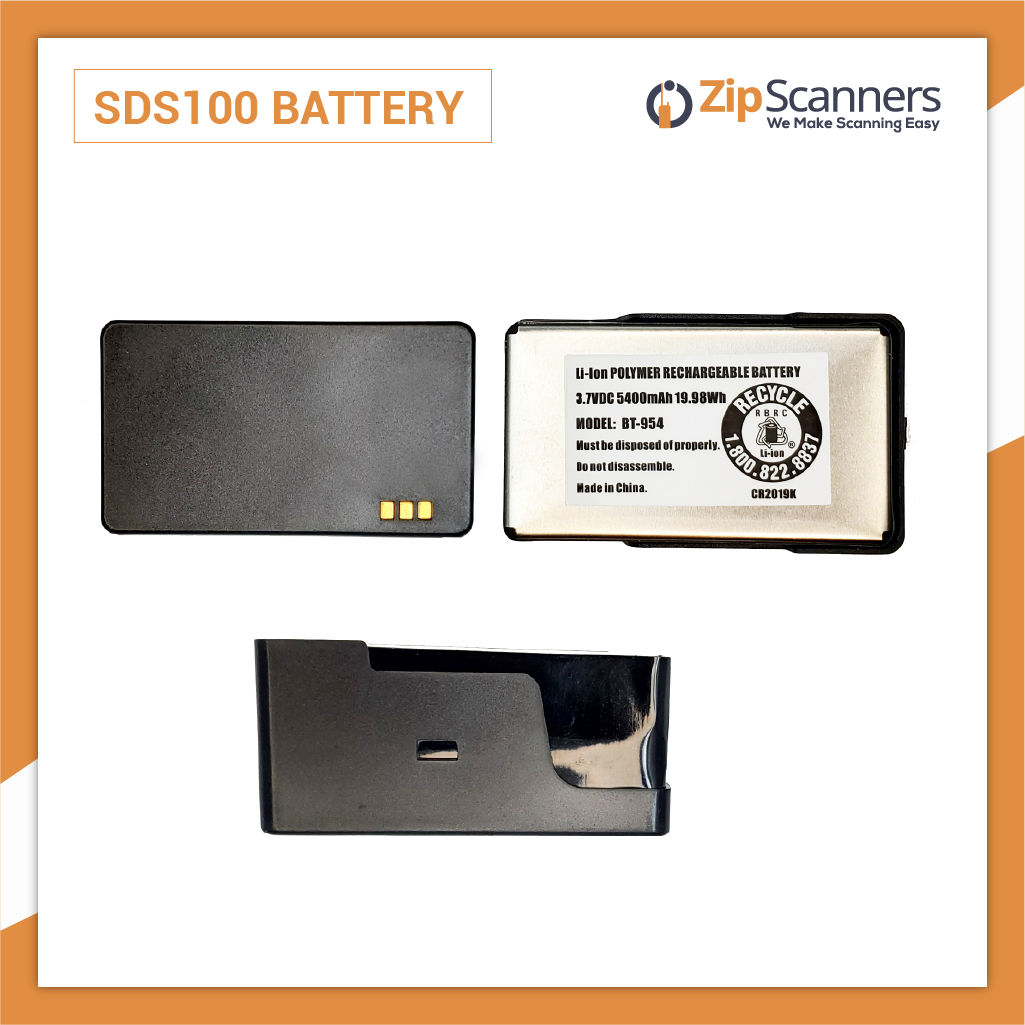
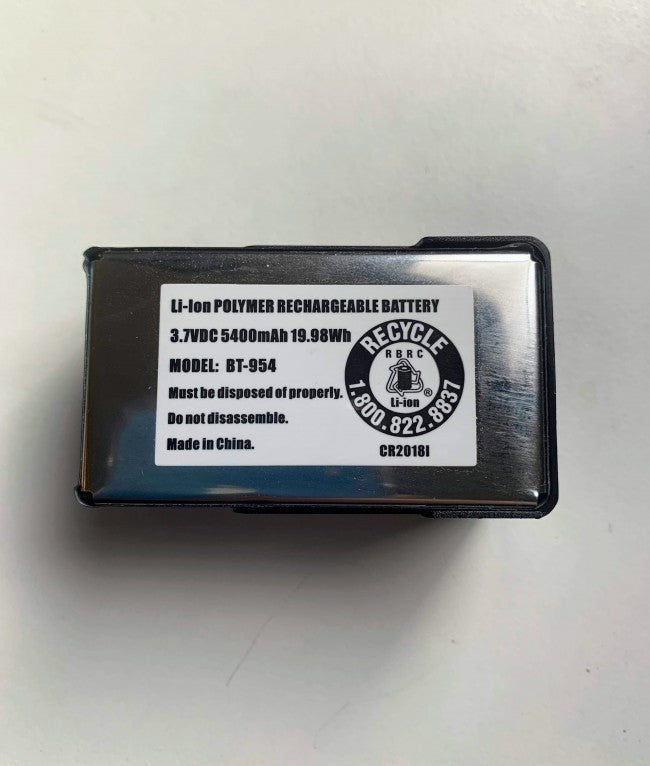
  • Uniden SDS100 Battery
    Regular price
    $79.99
    Sale price
    $79.99
    Regular price
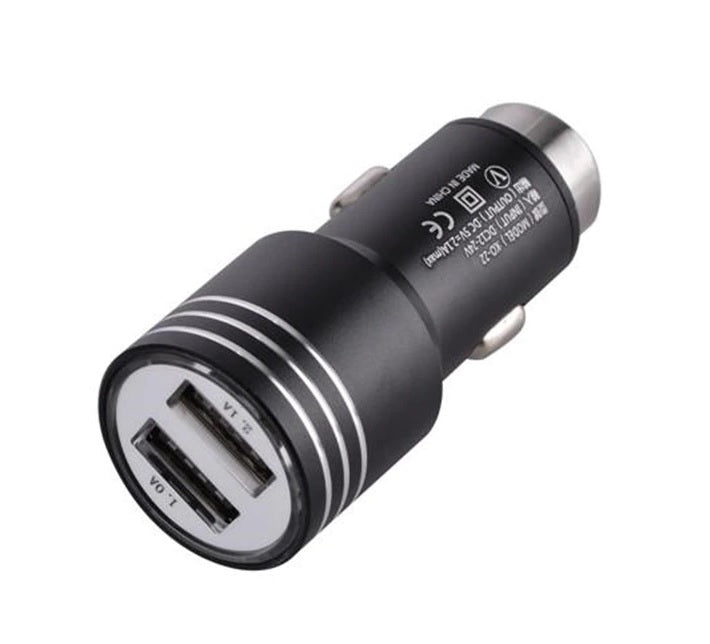
  • Vehicle Charger (DC)
    Regular price
    $12.99
    Sale price
    $12.99
    Regular price
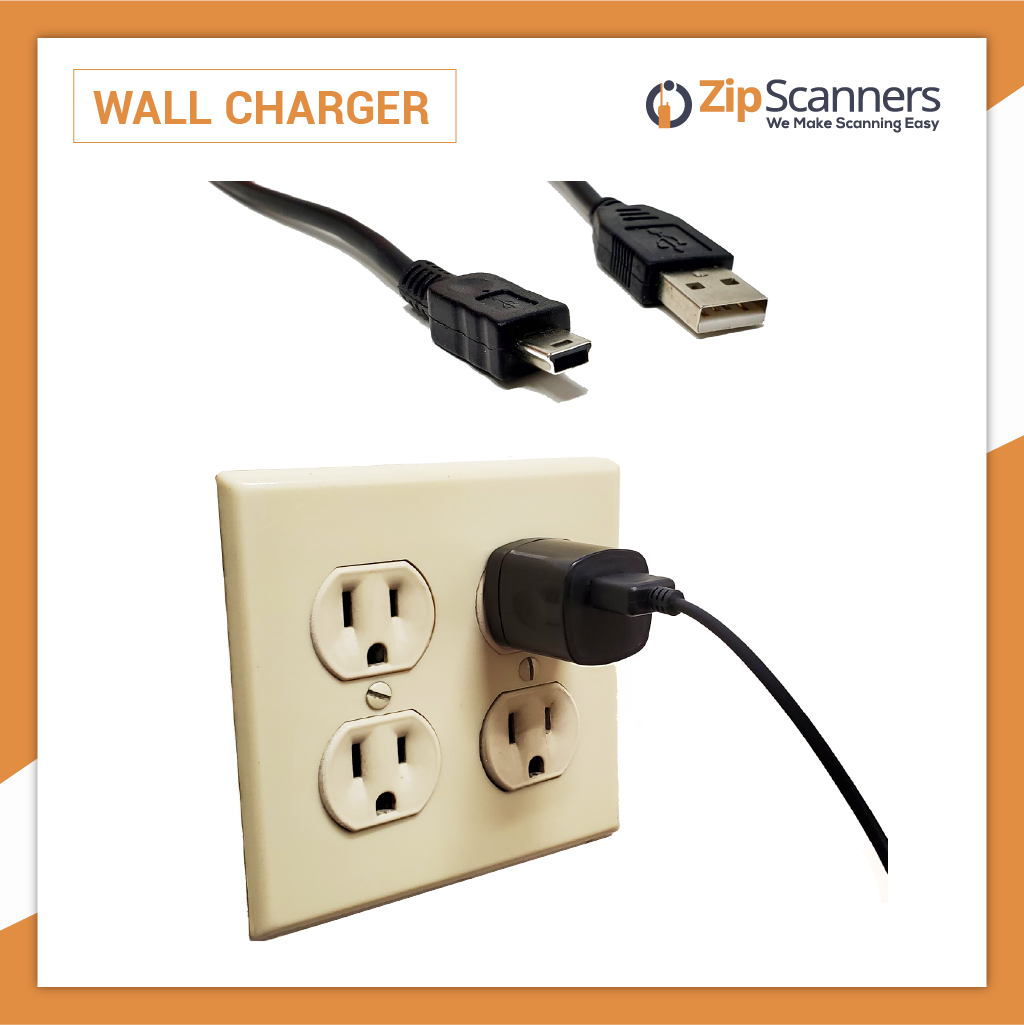
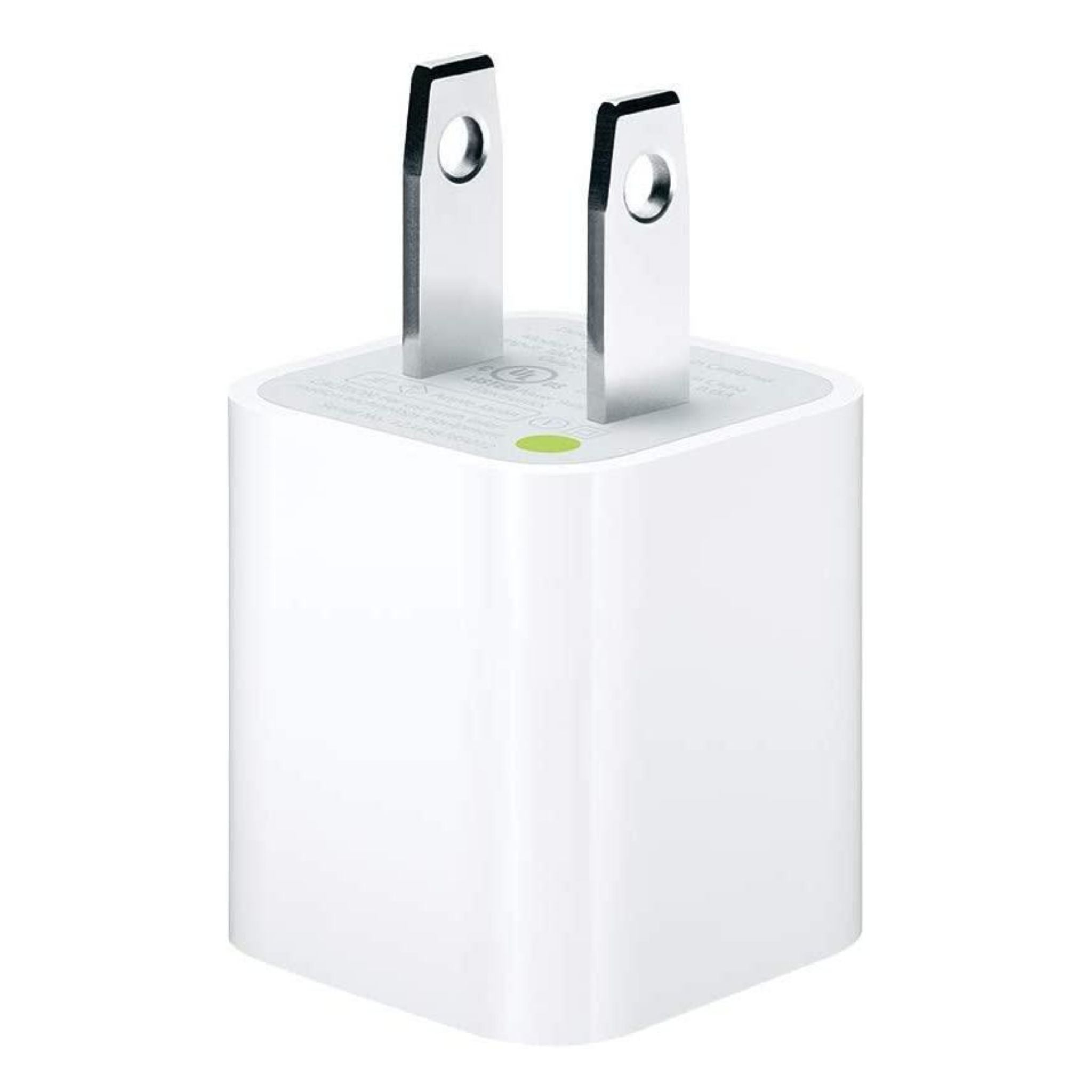
  • Wall Charger (AC)
    Regular price
    $9.99
    Sale price
    $9.99
    Regular price
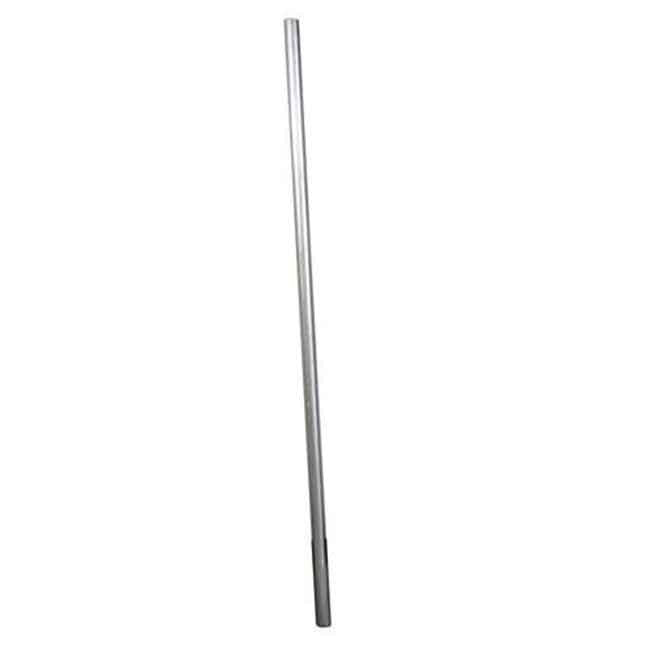
  • 5' Antenna Mast
    Regular price
    $49.99
    Sale price
    $49.99
    Regular price
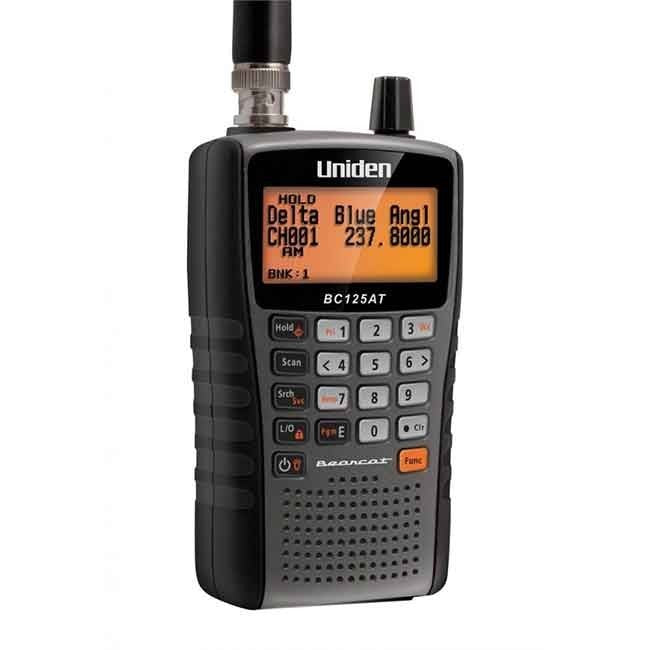
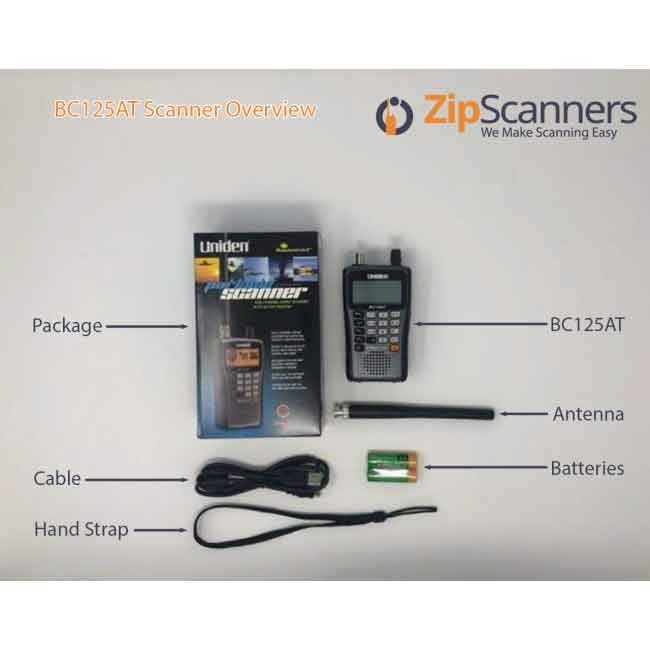
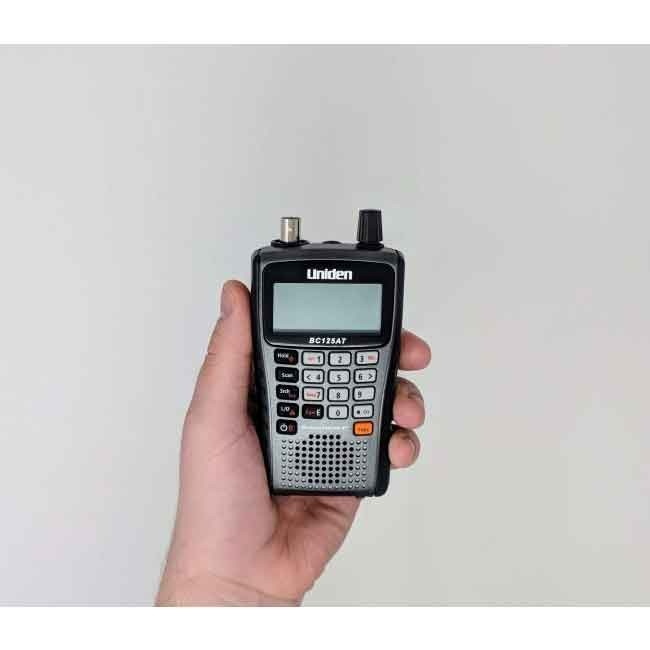
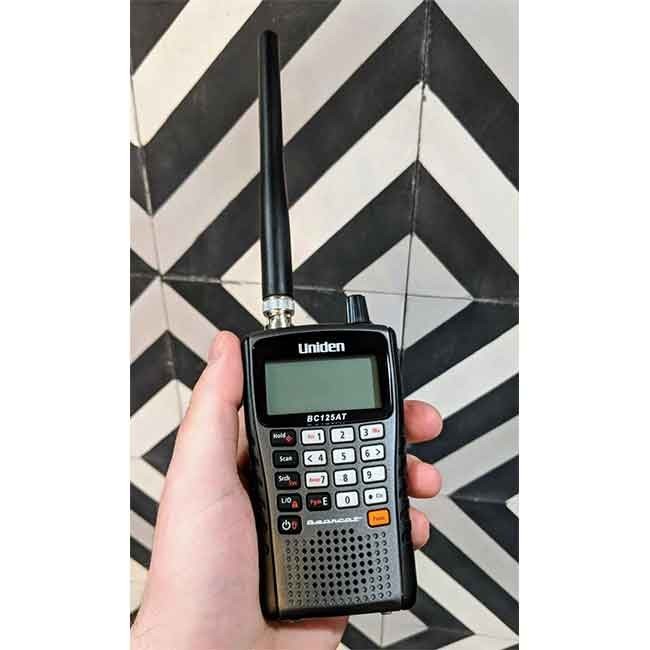
  • BC125AT Uniden Police Scanner
    Regular price
    $169.99
    Sale price
    $169.99
    Regular price
    $139.99
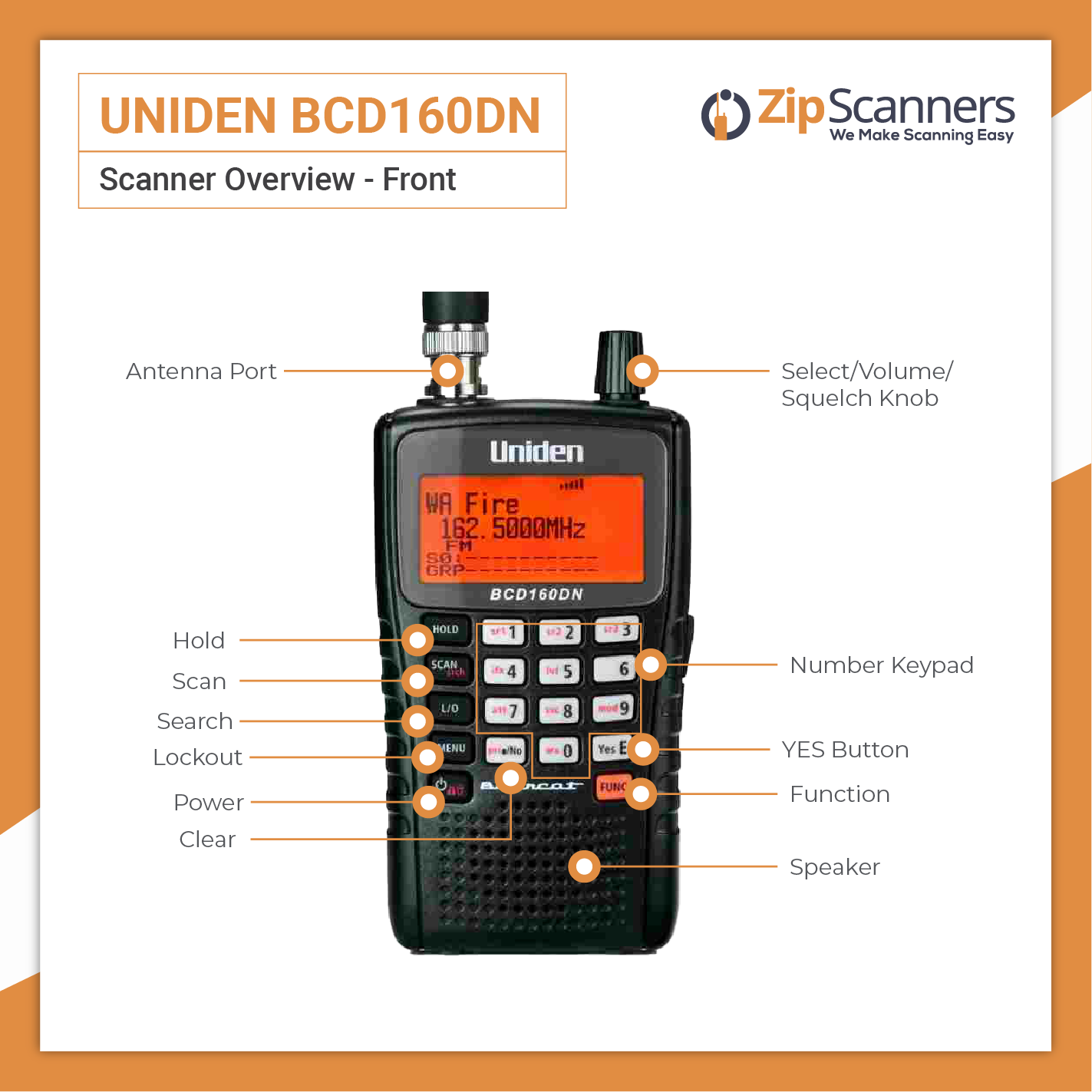
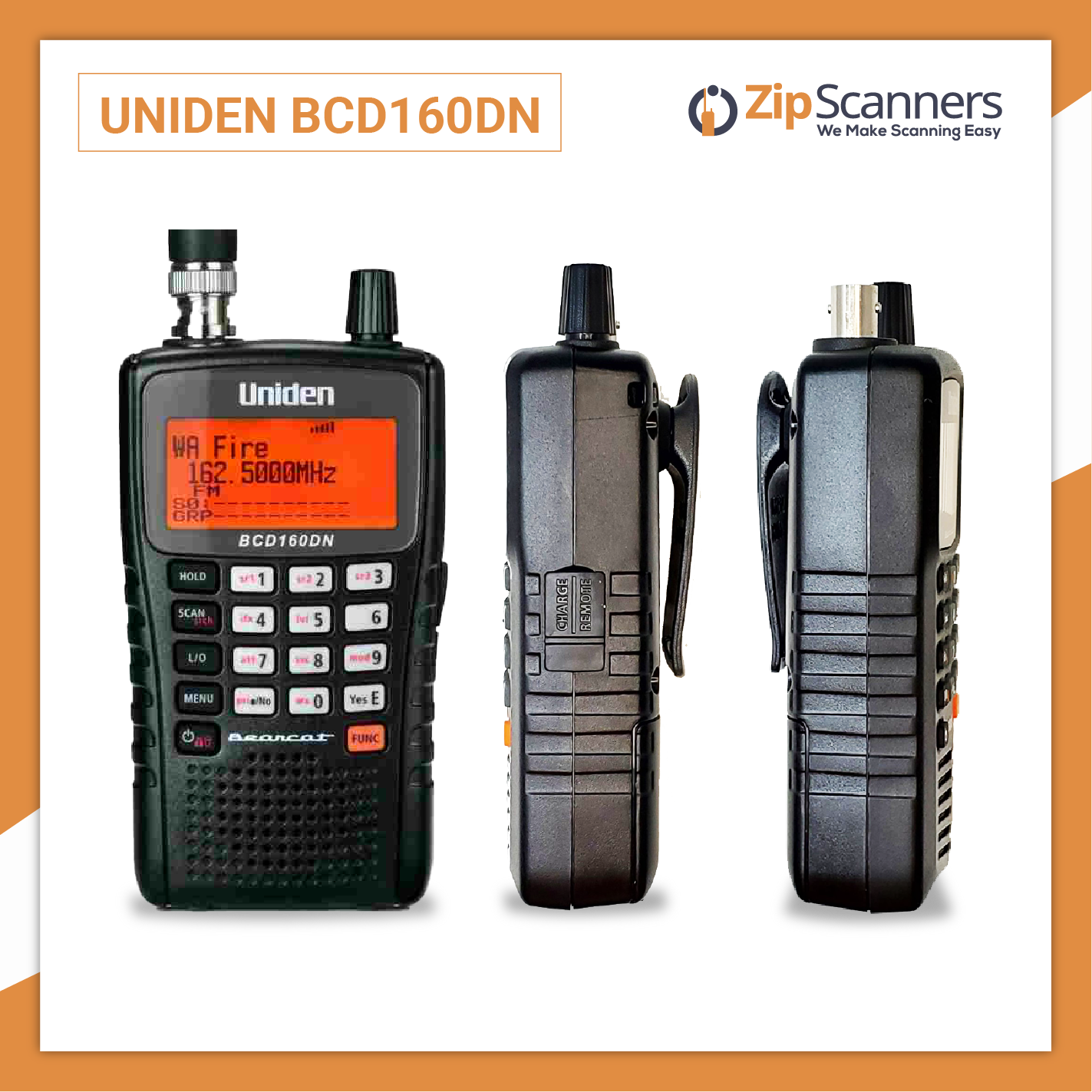
  • BCD160DN Uniden Police Scanner
    Regular price
    $249.99
    Sale price
    $249.99
    Regular price
    $249.99
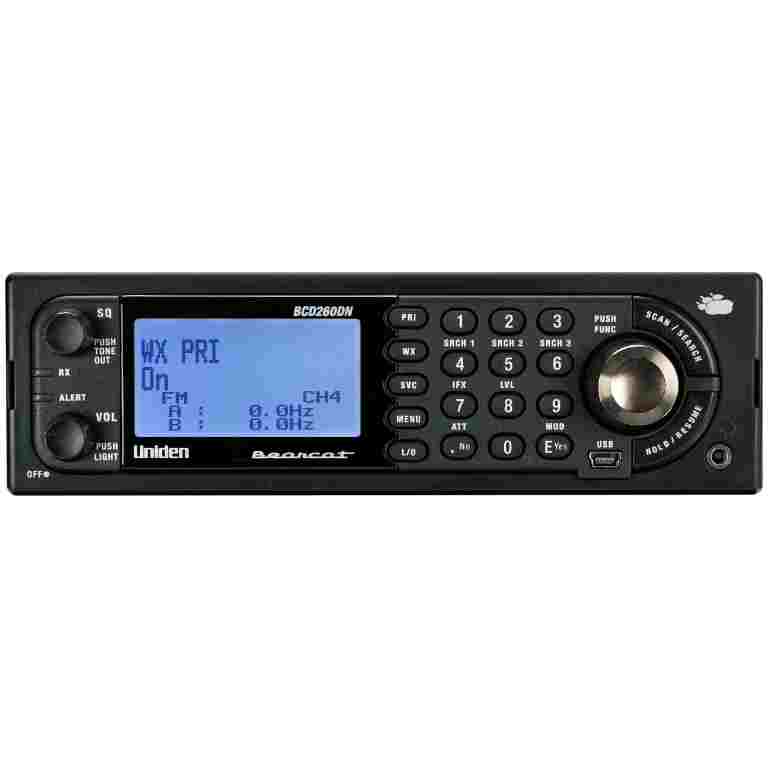
  • BCD260DN Uniden Police Scanner
    Regular price
    $349.99
    Sale price
    $349.99
    Regular price
    $349.99
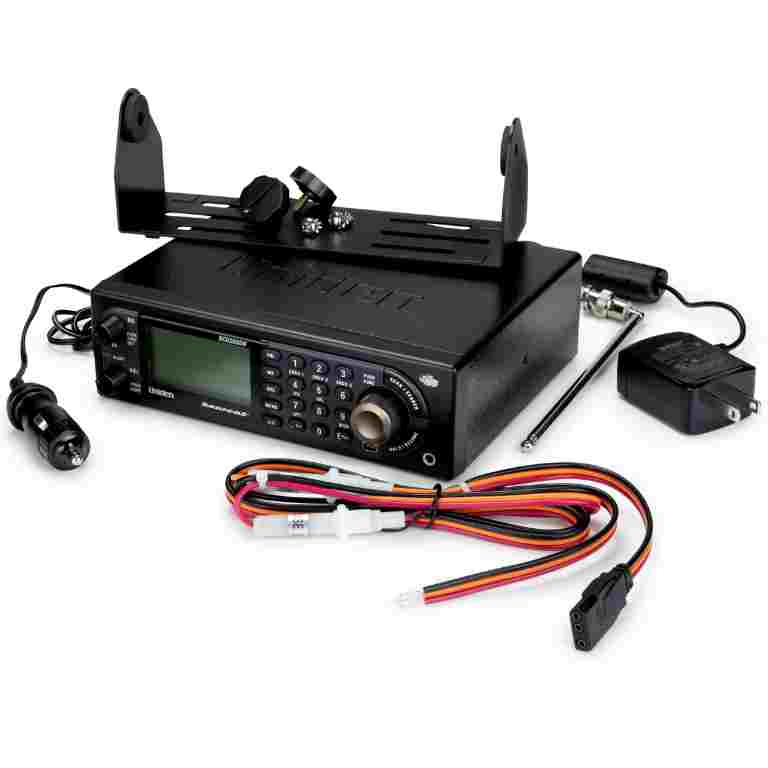
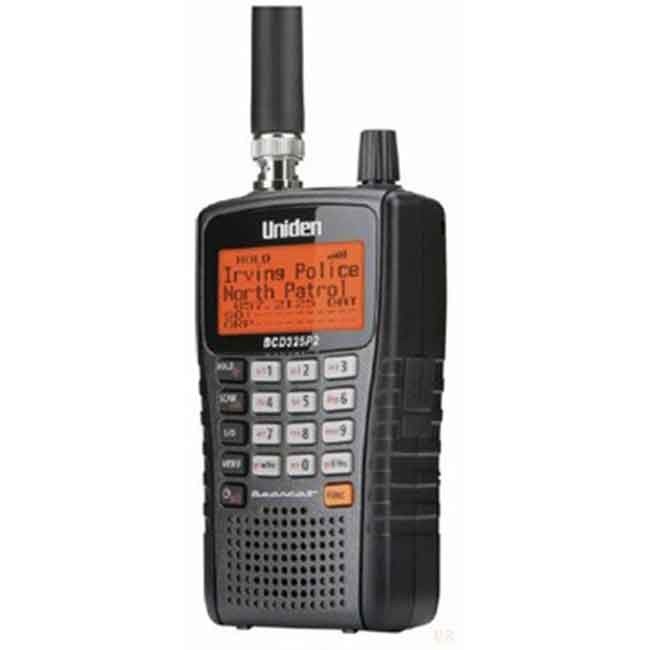
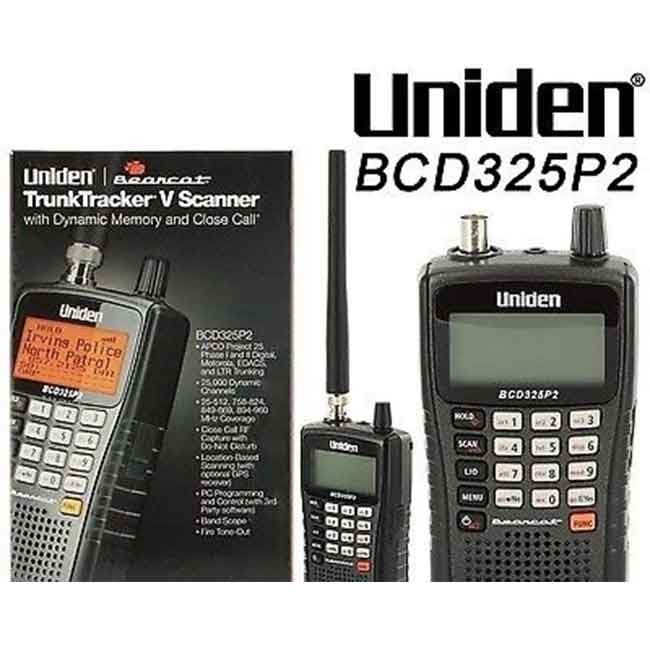
  • BCD325P2 Uniden Police Scanner
    Regular price
    $459.99
    Sale price
    $459.99
    Regular price
    $449.99
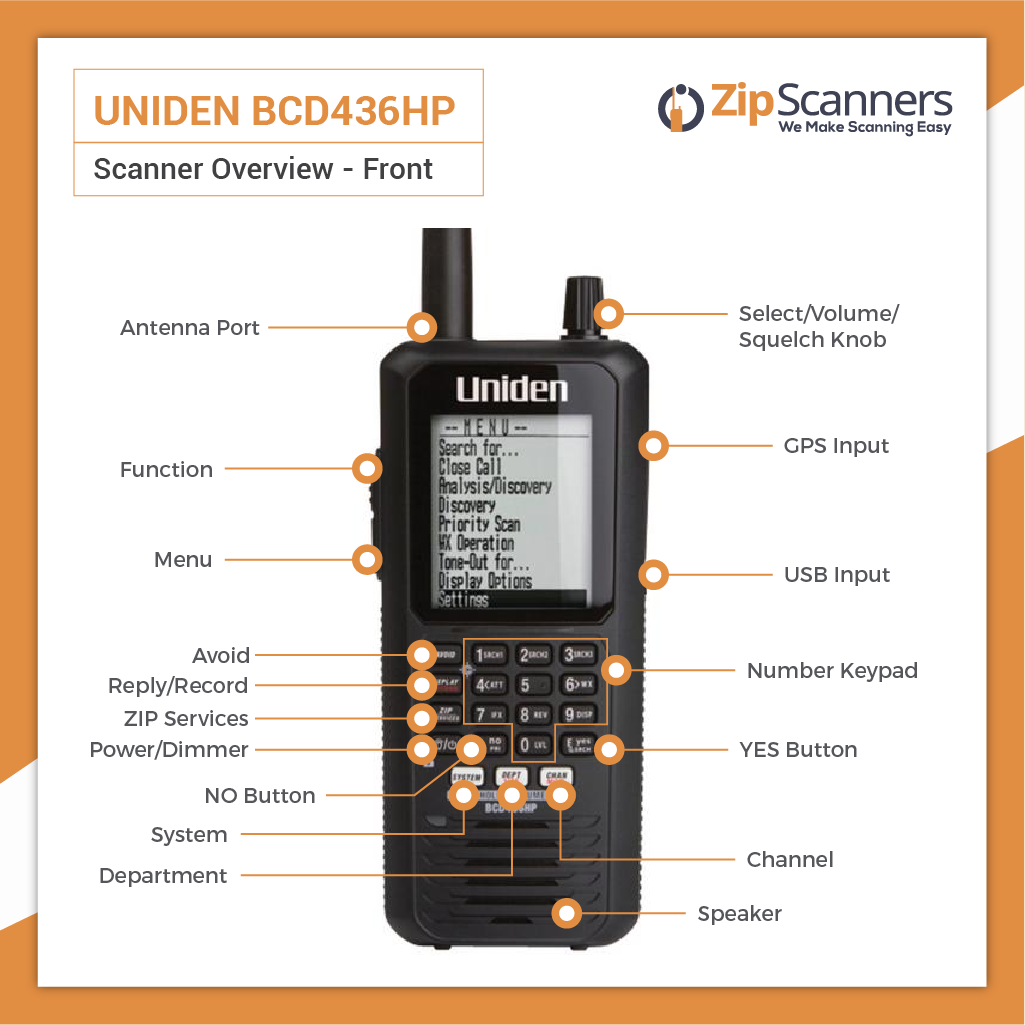
  • BCD436HP Uniden Police Scanner
    Regular price
    $499.99
    Sale price
    $499.99
    Regular price
    $549.99
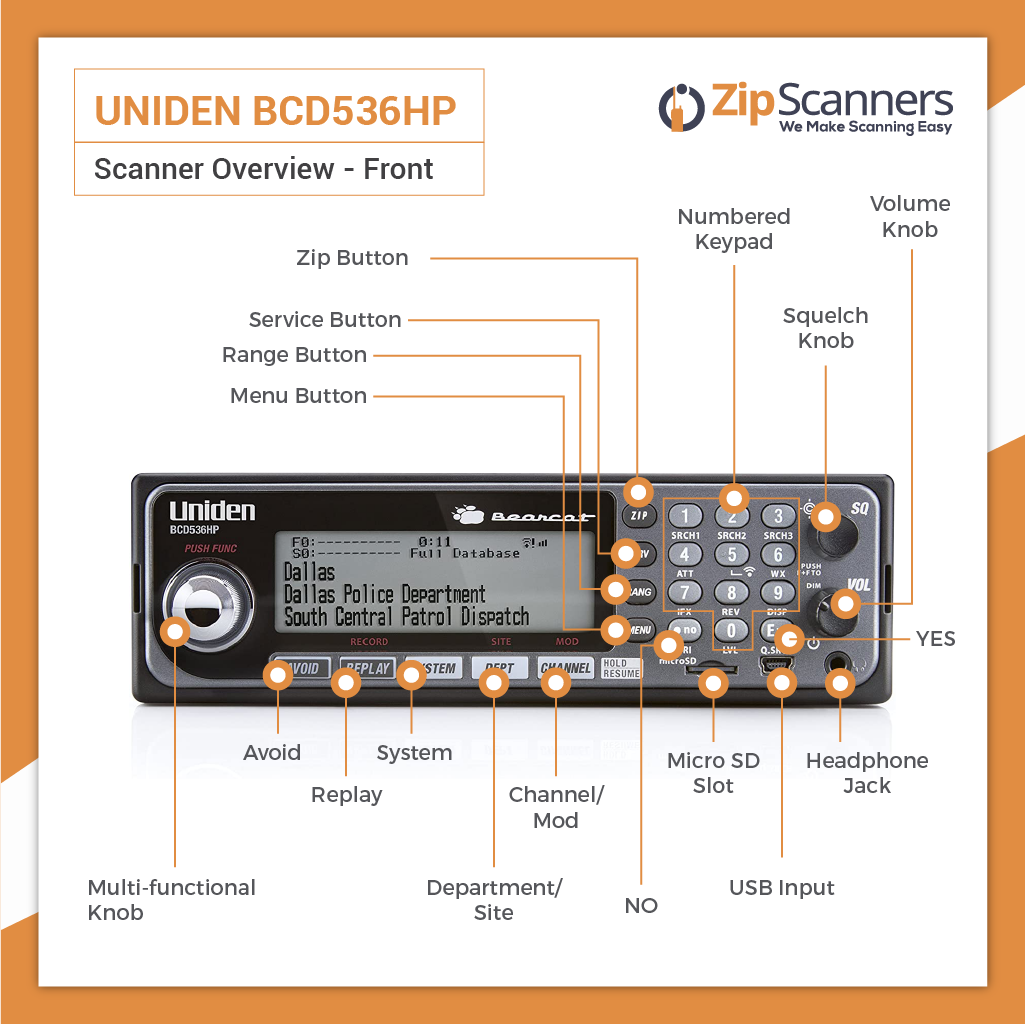
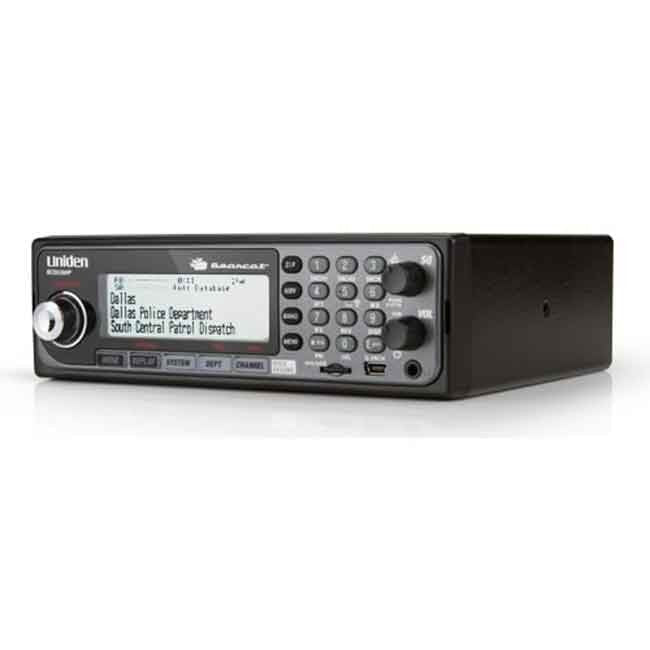
  • BCD536HP Uniden Police Scanner
    Regular price
    $599.99
    Sale price
    $599.99
    Regular price
    $649.99
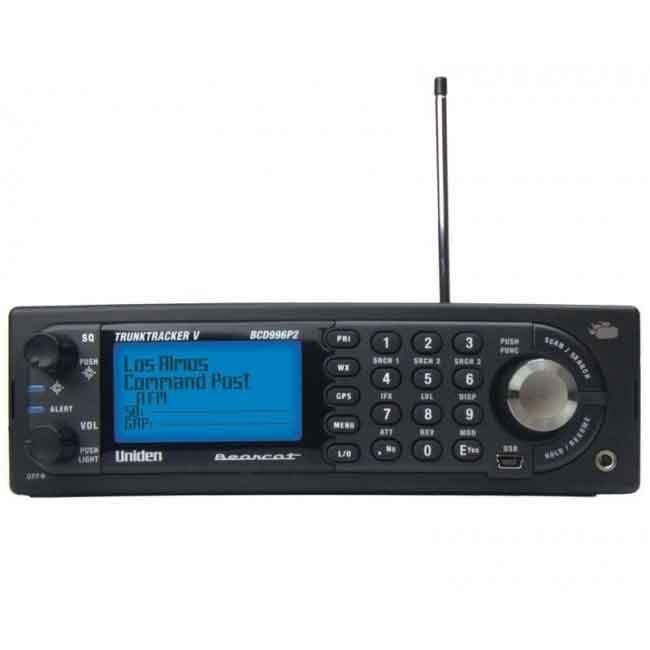
  • BCD996P2 Uniden Police Scanner
    Regular price
    $449.99
    Sale price
    $449.99
    Regular price
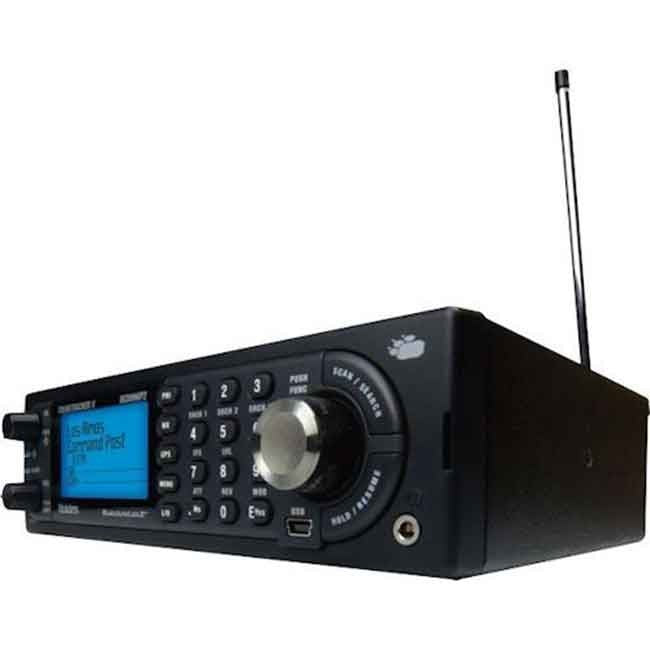
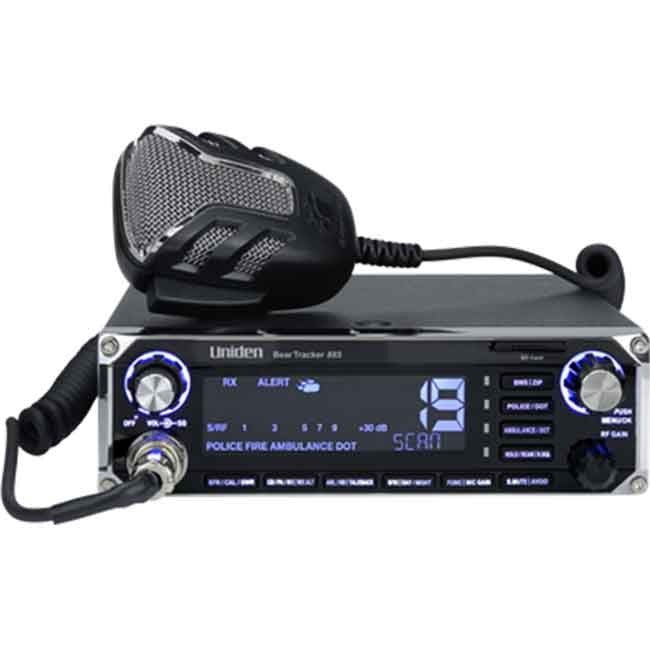
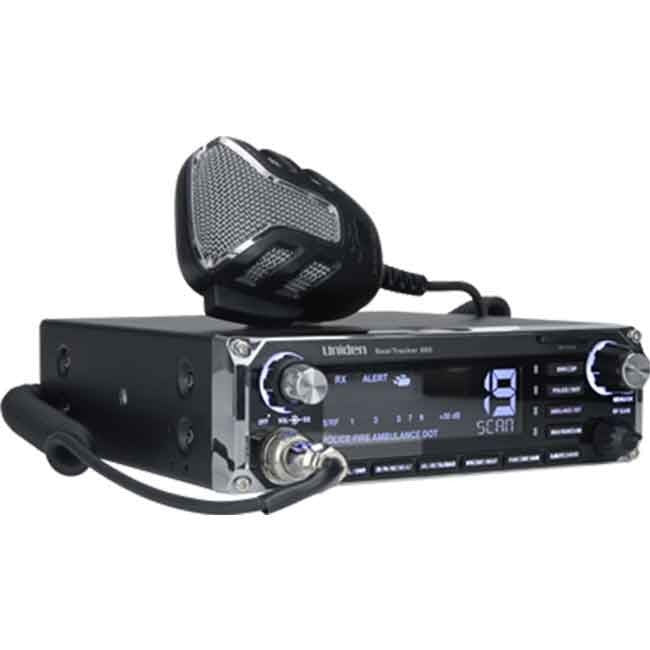
  • Beartracker 885 Uniden Police Scanner
    Regular price
    $439.99
    Sale price
    $439.99
    Regular price
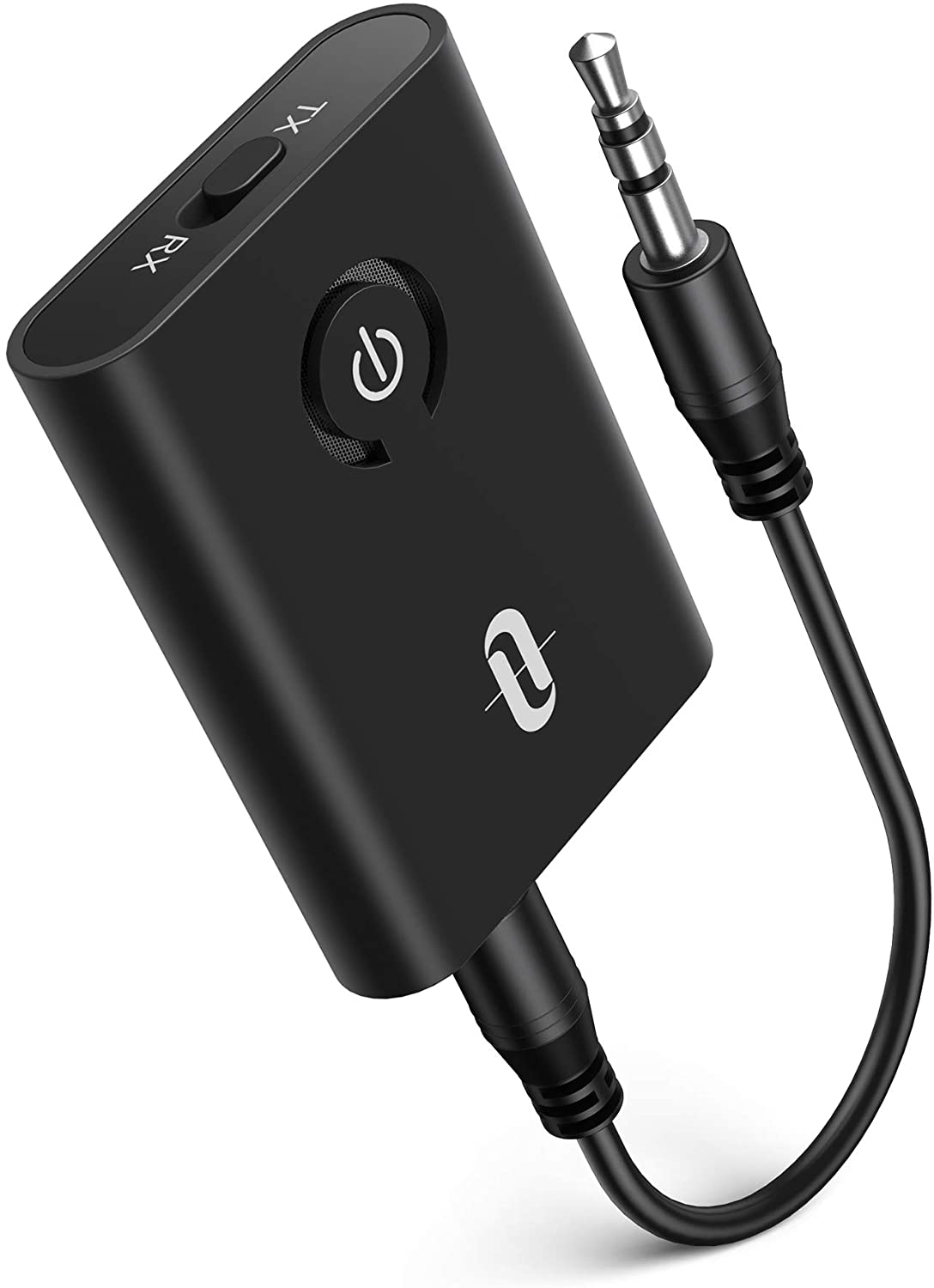
  • Bluetooth Enable Any Police Scanner
    Regular price
    $49.99
    Sale price
    $49.99
    Regular price
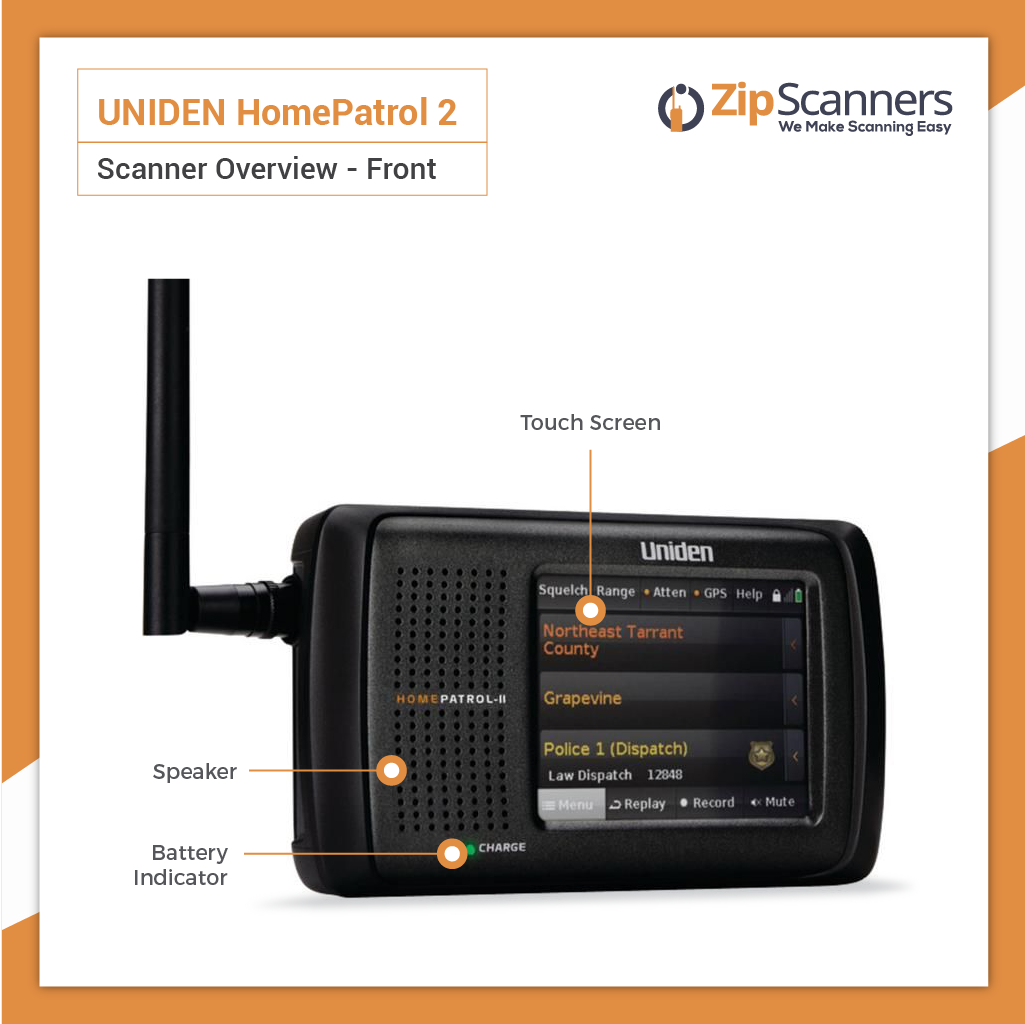
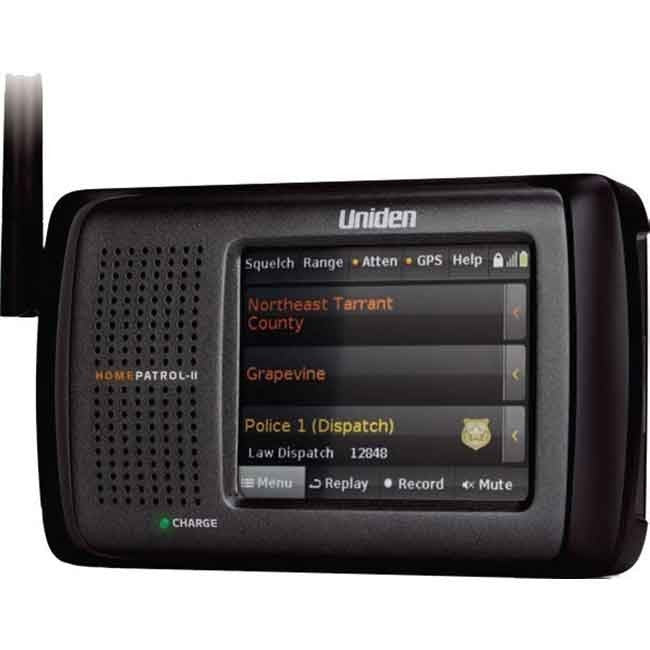
  • HomePatrol 2 Uniden Police Scanner
    Regular price
    $619.99
    Sale price
    $619.99
    Regular price
  • Open Box & Refurbished Police Scanners (SC)
    Regular price
    $0.00
    Sale price
    $0.00
    Regular price

Types of Emergency Radios and Communication Gear

This collection covers several distinct categories of emergency communication equipment. Understanding what each does helps you build the right setup for your situation.

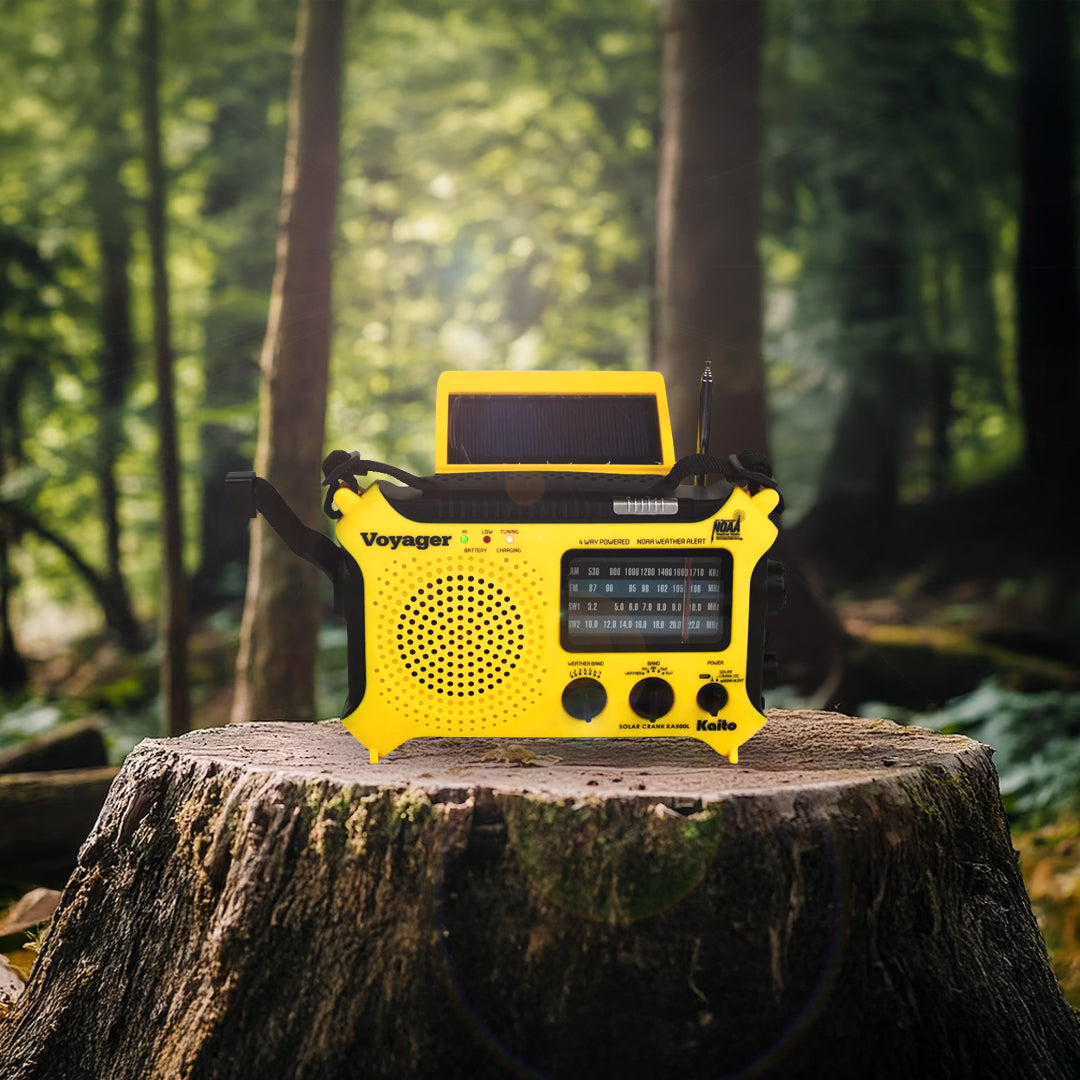
  • NOAA weather radios: Receive direct National Weather Service broadcasts and emergency alerts 24 hours a day, 7 days a week. NOAA Weather Radio is the most reliable source of official emergency information in the US, operating independently of cell networks and internet infrastructure. Kaito is a leading brand in this category and well represented in this collection.
  • Hand crank and solar emergency radios: Power independent radios that operate without batteries or grid power. A built-in hand crank or solar panel keeps the radio running indefinitely. Most models also include a USB output for charging a phone from the radio's internal battery, making them a dual-purpose power and information tool.
  • Two-way radios and walkie-talkies: For local communication within your group when cell service is unavailable. Practical for coordinating household members during an evacuation, maintaining contact between vehicles in a convoy, or communicating within a neighborhood group. Ruyage radios make up a significant portion of the two-way radio selection here, covering both entry-level and more capable multi-band options.
  • Search and rescue transponders: Specialized signaling devices for sending distress signals to rescue services. The ACR Pathfinder PRO SART in this collection is an example of professional-grade signaling equipment for serious outdoor and maritime use.

What to Look for in an Emergency Radio

Not all emergency radios are built for actual emergencies. Key features that separate reliable gear from shelf-filler:

  • NOAA alert capability: Non-negotiable for US households. Ensures you receive official emergency broadcasts automatically, including severe weather warnings, evacuation orders, and national emergency alerts.
  • Multiple power sources: A radio that only runs on batteries becomes a liability when batteries run out. Look for hand crank plus solar plus battery plus USB charging in combination. The more power options, the more resilient the device.
  • SAME technology: Specific Area Message Encoding lets you program the radio to alert only for your county or region, filtering out warnings from areas that do not affect you. Reduces alert fatigue while ensuring you catch the ones that matter.
  • Durability and water resistance: An emergency radio that fails in a storm does not serve its purpose. Water-resistant construction and drop tolerance matter for gear that may be used in exactly the conditions it was designed for.
  • Phone charging output: A USB output powered by the radio's internal battery extends the usefulness of the device significantly. One less piece of equipment to carry, and a way to maintain access to offline maps and contacts when the grid is down.

How to Choose the Right Emergency Radio for You

The right emergency radio depends on how you live and who you need to reach. Everyone in the US benefits from a NOAA-capable radio with SAME and multiple power sources, but the rest of the setup shifts with your situation. Use this as a starting point.
Your situationWhat to prioritize
Suburban household in a severe-weather regionA NOAA weather radio with SAME alerts and hand crank plus solar power, so you never miss a warning
Rural or off-grid propertyPower independence first: hand crank and solar, rugged build, plus two-way radios for a property where cell service is weak
Apartment or renterA compact NOAA hand crank and solar radio that needs no installation and doubles as a phone charger
Driving, towing, or in a convoyTwo-way radios to keep vehicles in contact, plus a portable NOAA radio for weather along the route
Group or neighborhoodMatched two-way radios on shared channels so everyone can coordinate during an outage or evacuation

Most households end up with two pieces: a NOAA hand crank and solar radio for official information, and a set of two-way radios for reaching each other. Match the radio to the rest of your plan, whether that is a disaster preparedness kit at home, a roadside and vehicle setup for the car, or an off-grid and homestead property where staying informed and reachable matters most.
Building a Communication Plan Around Your Radio

An emergency radio is the foundation of a communication plan, not the whole thing. A complete household plan also covers:

  • A designated out-of-state contact that all family members can reach if local lines are congested after a disaster. Out-of-state calls often get through when local calls cannot.
  • A pre-agreed meeting point for household members who are separated when an emergency starts and phones are dead.
  • Two-way radios for local communication between household members or a neighborhood group during a power outage or evacuation.
  • Knowledge of your local NOAA broadcast frequency and how to program SAME alerts for your county.

All of these layers work together. The emergency radio is what keeps you connected to official information. The two-way radios are what keep your group connected to each other.

Keeping Your Emergency Radio Ready

A radio only helps if it works the day you reach for it, and that is where most fail. The gear is easy; the readiness is the quiet work. A few habits keep it dependable:

  • Charge and test it on a schedule. Cycle the internal battery a few times a year, and confirm the hand crank, solar panel, and USB charging all work. A radio you have never tested is a guess.
  • Program SAME before you need it. Set your county code and confirm your local NOAA broadcast frequency now, calmly, not while a warning is scrolling. Write the settings down and keep them with the radio.
  • Store it where you can reach it. Keep the radio in your kit or go-bag, not buried in a closet, with a set of spare batteries as a backup to the crank and solar.
  • Know the power loop. Practice charging a phone from the radio once, so you know how long it takes and what the USB output actually delivers before you depend on it.

Treat the radio like the rest of your kit: set it up, learn it, and check it twice a year alongside your other disaster preparedness gear and your backup power. Done before anything goes wrong, it is the piece that keeps you informed and reachable when everything else has gone quiet.

Frequently asked questions

Do I need an emergency radio if I have a smartphone?

Yes. Smartphones depend on functioning cell networks, charged batteries, and working infrastructure. In a major emergency, all three can fail at the same time. Emergency radios receive NOAA Weather Radio broadcasts directly from NWS transmitters without needing a network connection. They are also more durable than most phones and, with hand crank and solar charging, can operate indefinitely without grid power. A smartphone is a useful tool in many emergencies. An emergency radio is your information source when the phone stops being one.

What is NOAA Weather Radio and why does it matter?

NOAA Weather Radio All Hazards is a nationwide network of radio stations broadcasting continuous weather information and official emergency alerts 24 hours a day, operated by the National Weather Service. Broadcasts cover severe weather warnings, evacuation orders, AMBER alerts, and other public safety information. It operates independently of internet and cell infrastructure, which makes it the most reliable source of official emergency information available to the public. For any household in a region with severe weather risk, a NOAA-capable emergency radio is a core preparedness item.

What is SAME technology and do I need it?

SAME stands for Specific Area Message Encoding. It allows you to program your emergency radio to receive alerts only for your specific county or region, filtering out warnings from areas that do not affect you. Without SAME, the radio alerts for any warning within range of the transmitter, which can include counties far from your location. With SAME programmed correctly, you only receive alerts that are actually relevant. It reduces false alarms significantly while making sure you catch the ones that matter. Most quality emergency radios include SAME. We recommend choosing a model that does.

How far do two-way radios work?

Advertised range on consumer two-way radios is typically stated for ideal open-terrain conditions, often 20 to 35 miles. In practice, range is significantly shorter in urban environments, dense forest, or hilly terrain, commonly 1 to 3 miles. For neighborhood coordination, household communication, or keeping a small group in contact during an evacuation, that range is usually more than adequate. For longer-range communication needs, ham radio or satellite communicator options are worth considering.

Can an emergency radio charge my phone?

Many of the emergency radios in this collection include a USB output powered by an internal rechargeable battery. That battery can be charged via hand crank, solar panel, or USB input. This creates a power loop that can keep a phone partially charged without grid power, useful for maintaining access to downloaded offline maps, emergency contacts, and apps that work without a network connection. Check individual product pages for USB output specifications, as capacity varies by model.

HAVE QUESTIONS OR NEED HELP CHOOSING THE RIGHT SURVIVAL GEAR? GET IN TOUCH WITH US TODAY – WE'RE HERE TO HELP!

Forest Survival