Collection: Backup Power Stations & Solar Generators
A power outage doesn't announce itself. Our Backup Power collection brings together portable power stations, solar generators, solar panels, backup batteries, inverters, and charging accessories for blackouts, storms, hurricane prep, off-grid use, and home emergency preparedness.
Figure out what needs to stay on in your home before the next outage hits. Phones, medical devices, lights, and refrigeration don't wait for a convenient moment. Every product here was selected for dependable capacity, useful output, recharge options, portability, and compatibility with real household needs.











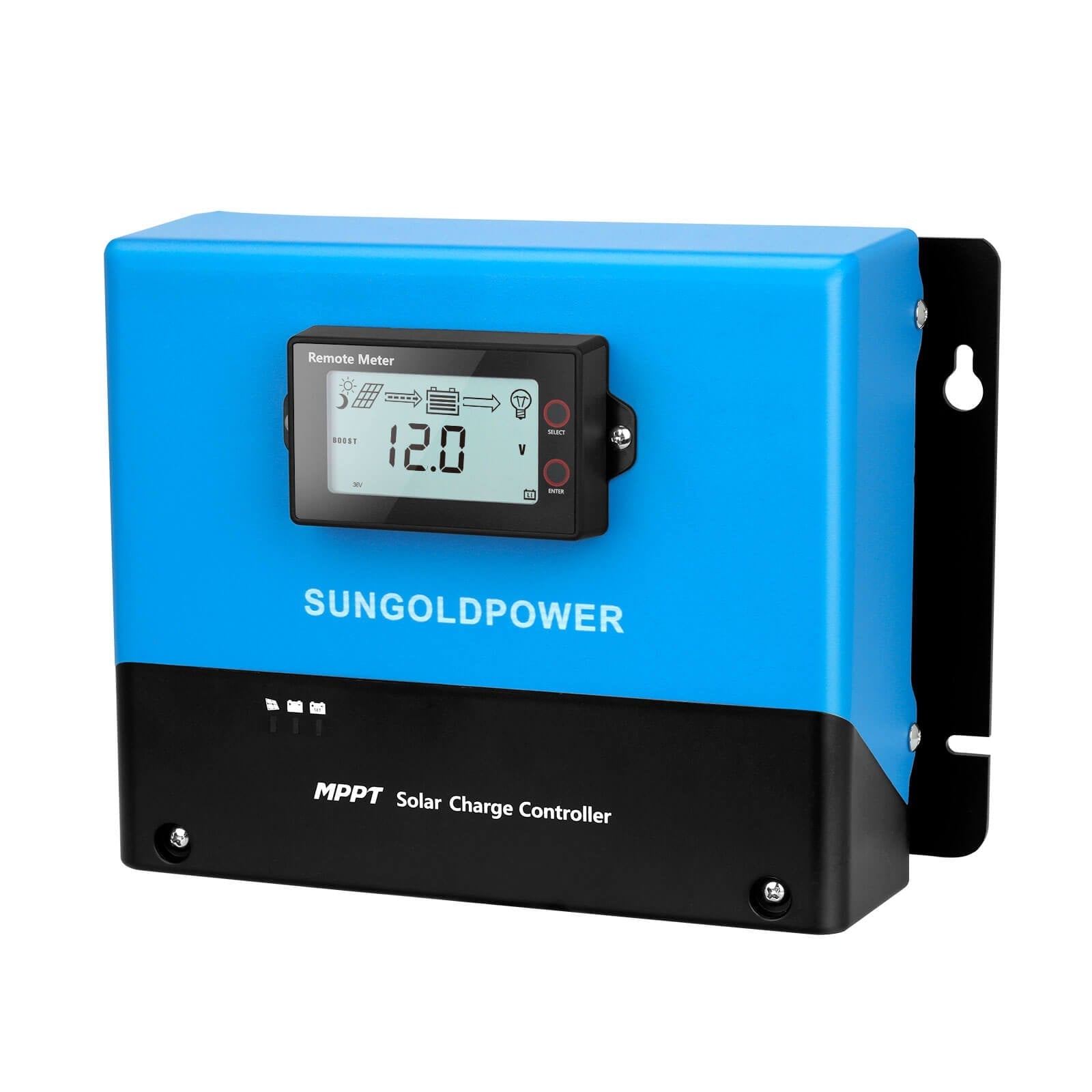


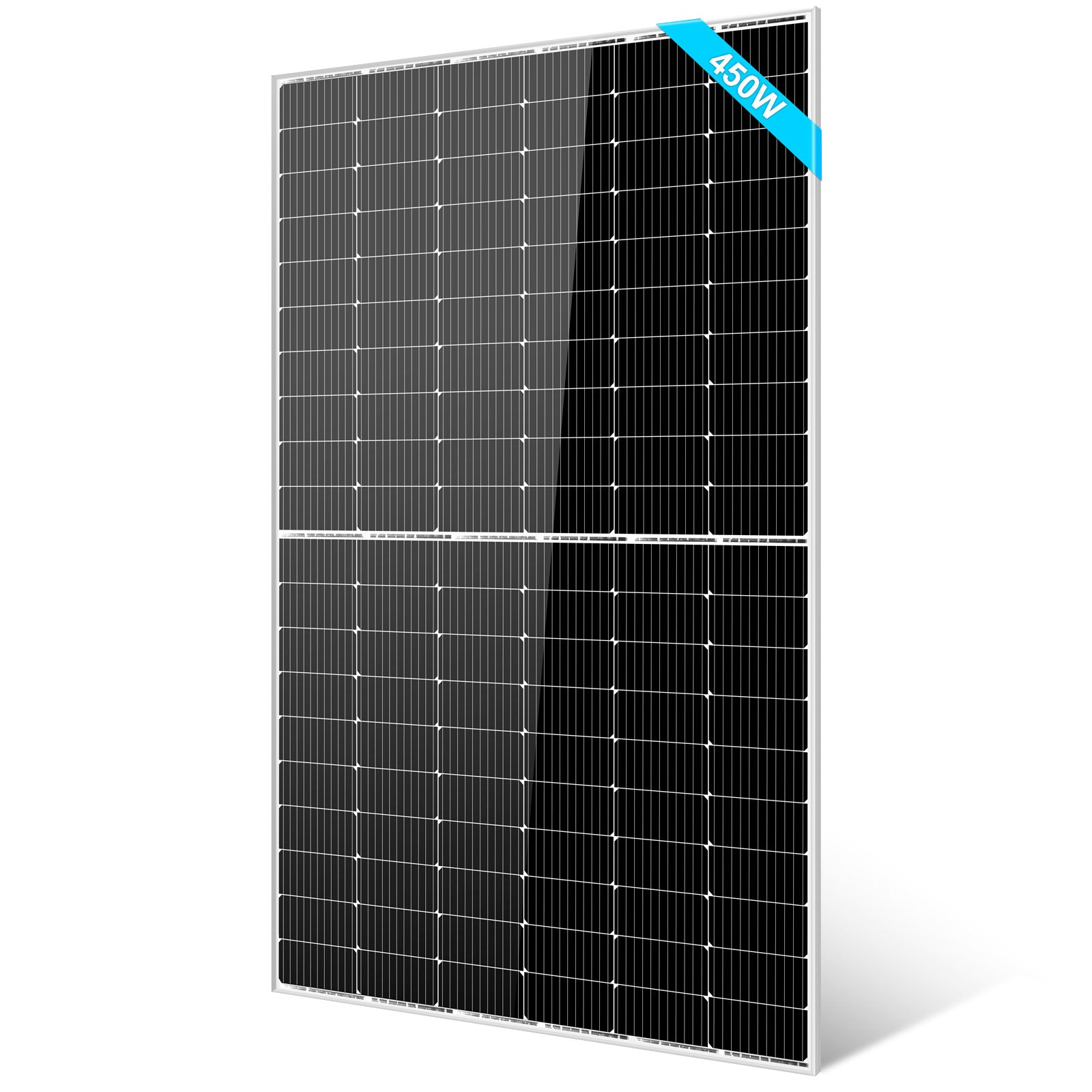


Backup Power Is About Keeping the Essentials Running
A backup power setup doesn't need to run the whole house to be useful. The goal is keeping critical devices, lights, communication tools, medical equipment, and basic comfort systems working when the grid stops.
- Portable power stations: When the power goes out at 2am and your CPAP machine stops, your phone dies, and your kids are asking for lights, a portable power station is what you reach for. It runs quietly, works indoors, and handles most outage scenarios without fuel, exhaust, or moving parts. Charge it before storm season and keep it accessible.
- Solar generators: A portable power station gets you through the first day or two. If the outage stretches into day three or four, you need a way to recharge without wall power. A solar generator lets you top up the battery from sunlight - useful during extended outages, evacuation, and off-grid situations where the grid isn't coming back on schedule.
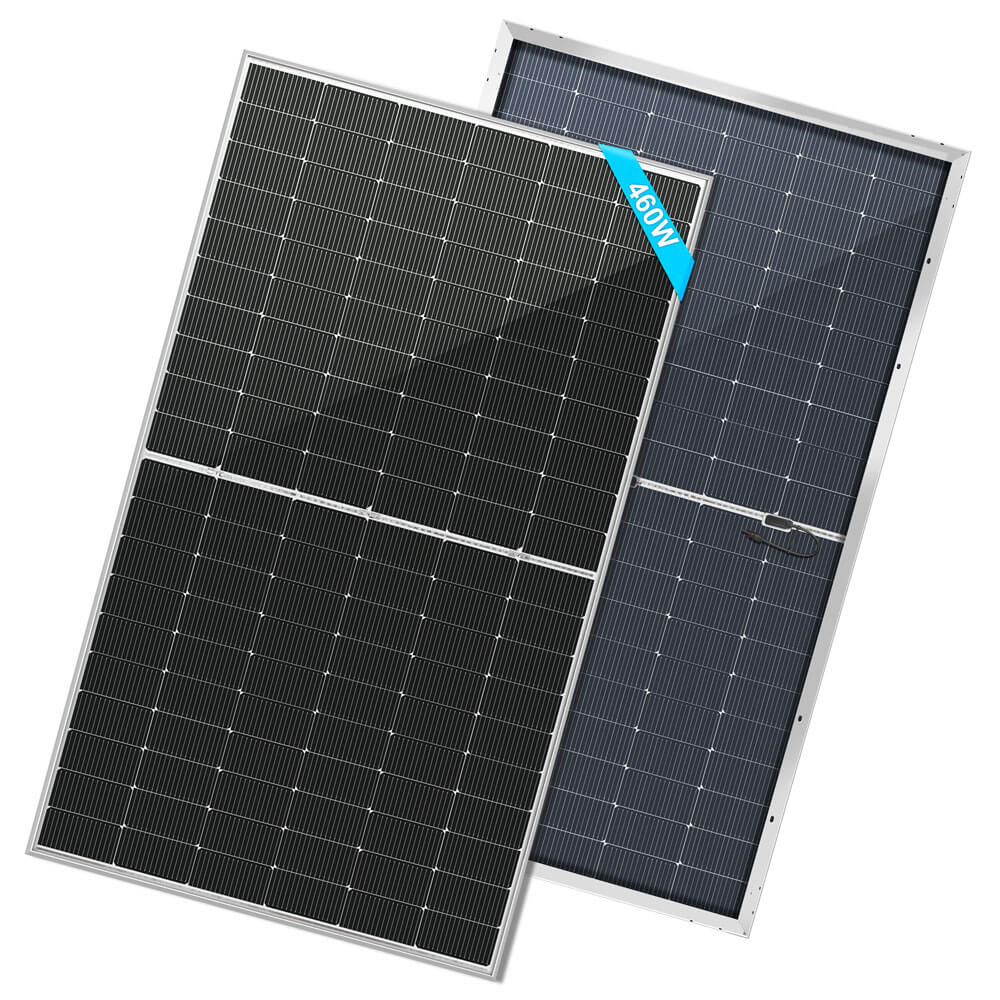
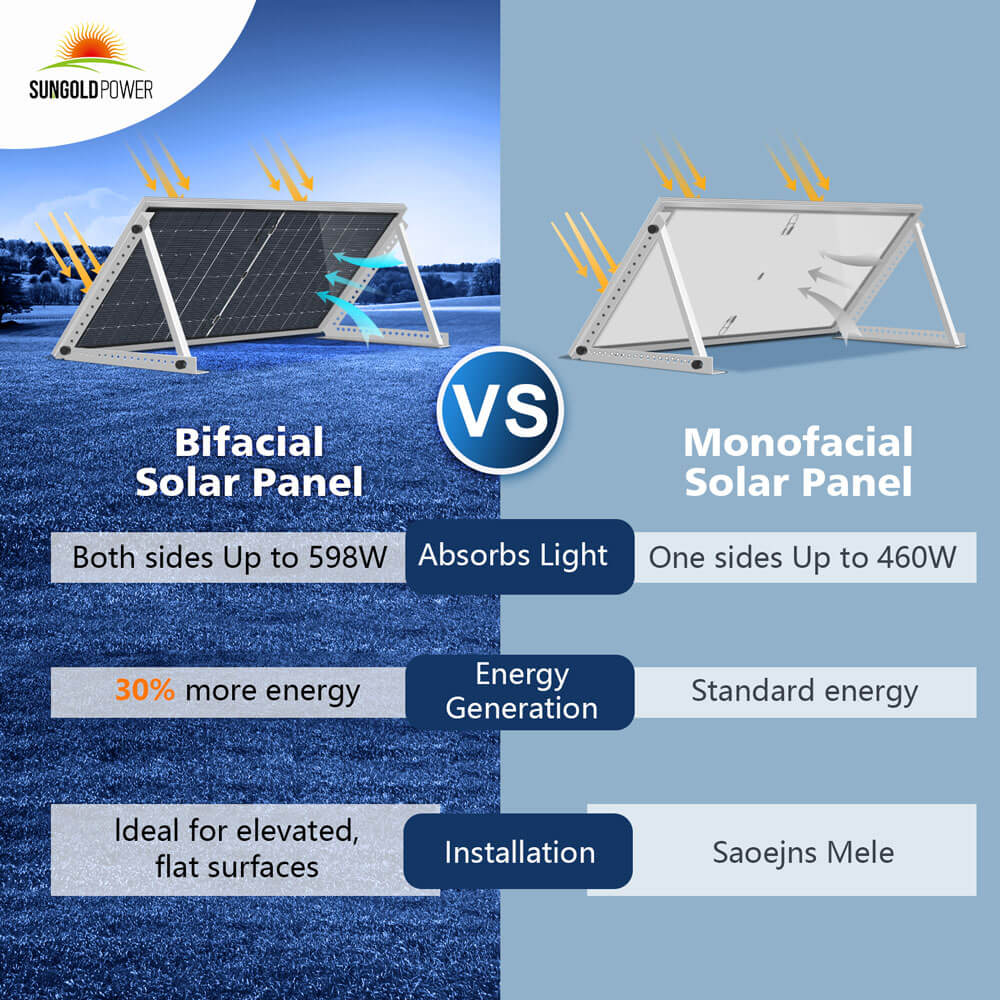
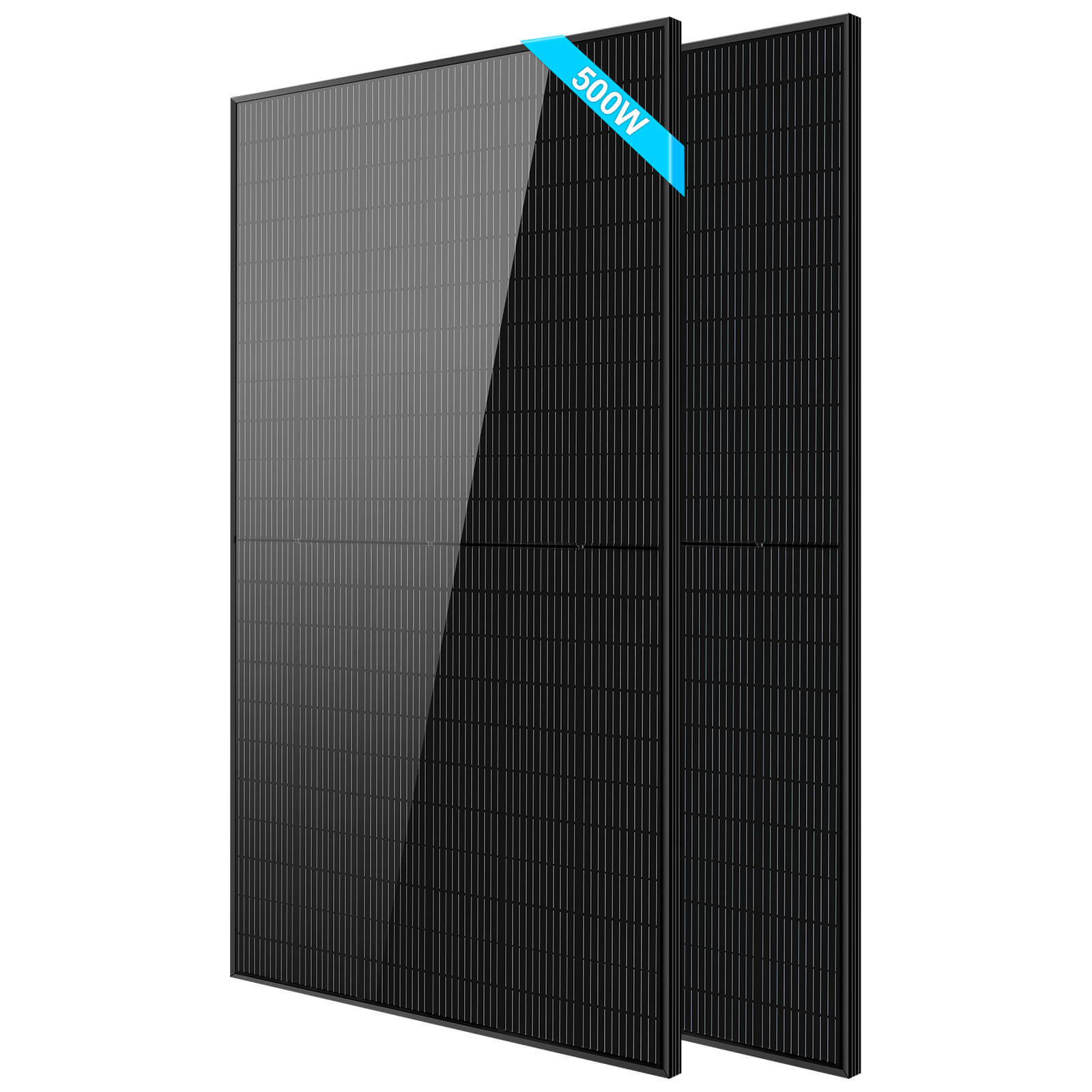
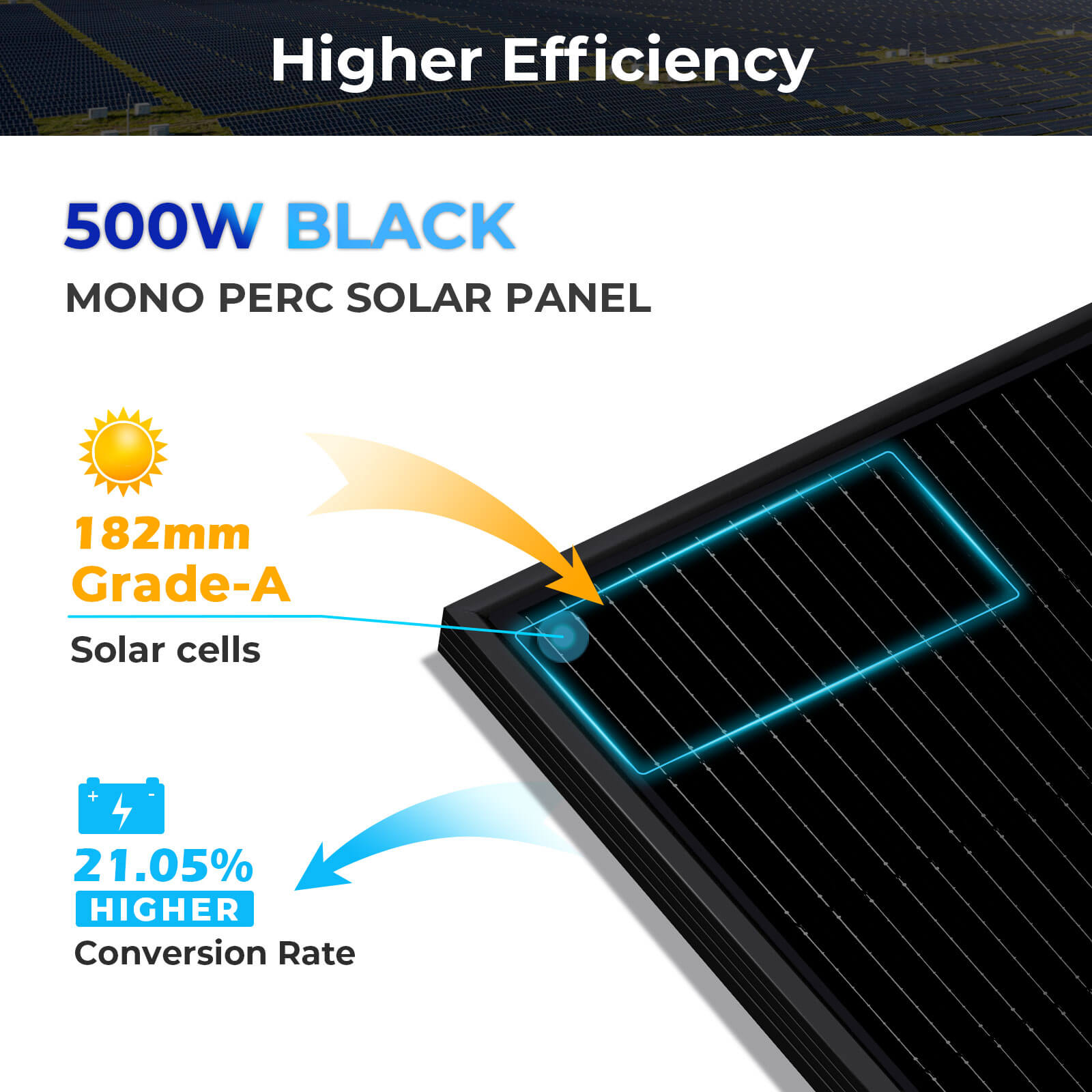
- Solar panels and chargers: The panel is what determines how fast you recharge. Check the wattage, confirm compatibility with your power station, and understand that output drops in cloudy weather or partial shade. A 100W panel in full sun charges very differently from the same panel on an overcast day.
- Backup batteries and power banks: For short outages and everyday carry, a power bank handles phones, radios, headlamps, and USB gear without needing a full power station. A 20,000mAh bank charges most smartphones 4-5 times. Keep one charged in your go-bag and another near your nightstand.
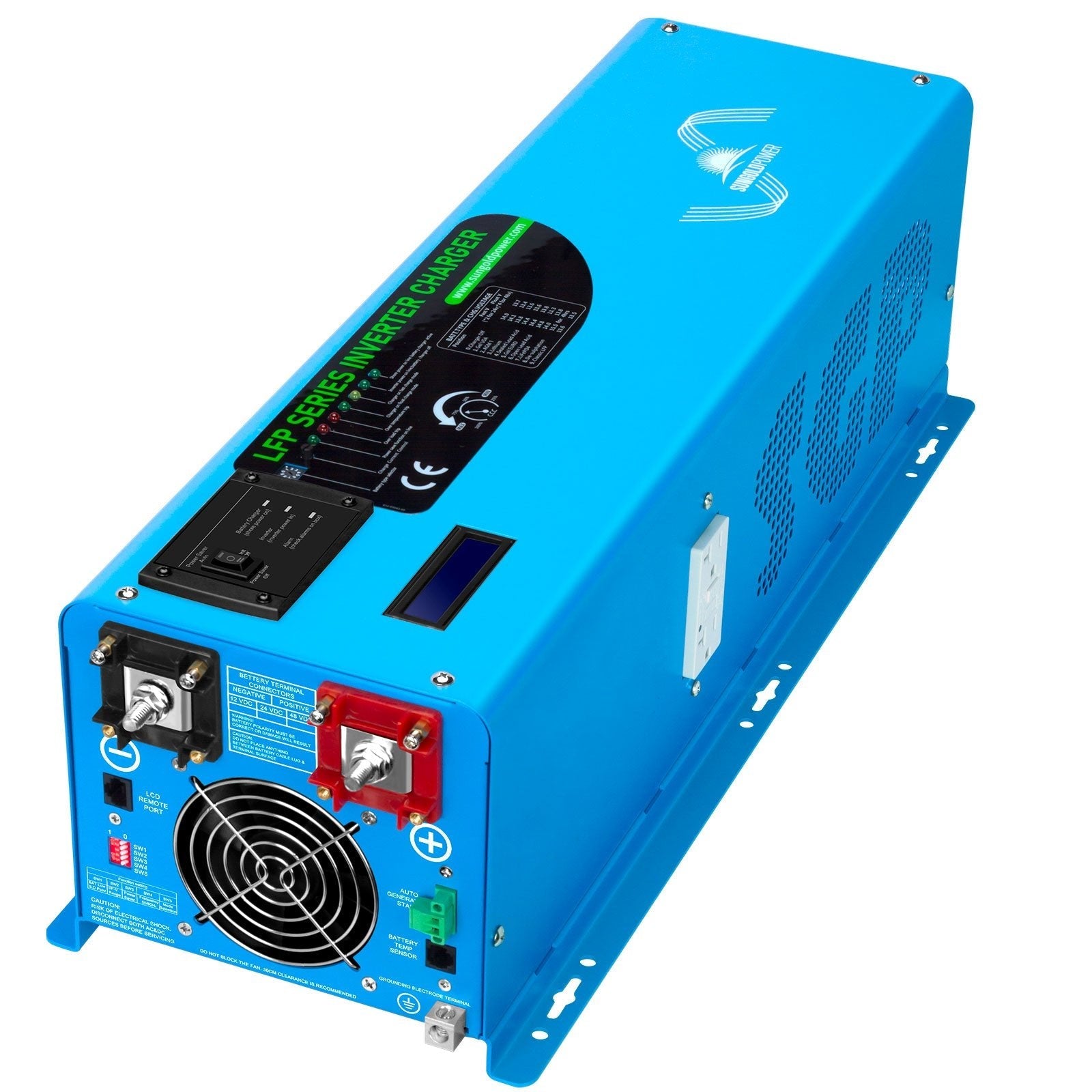
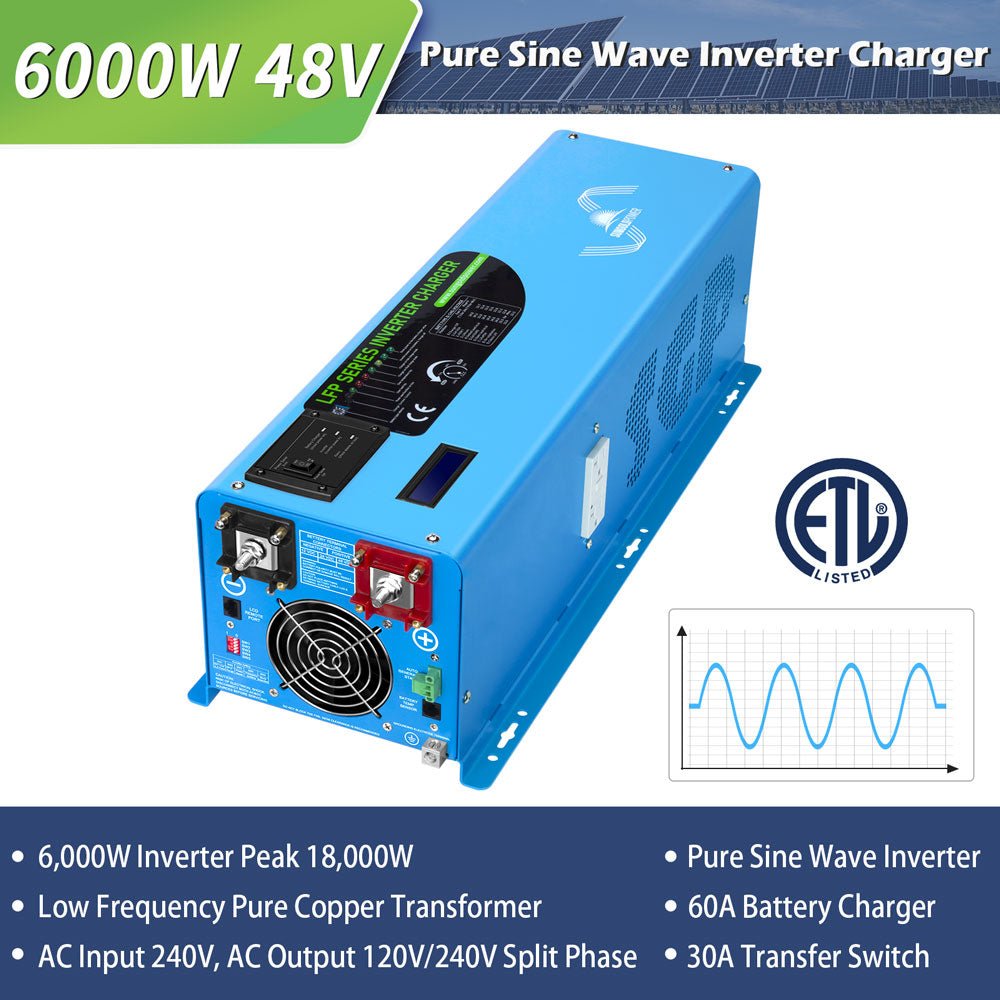
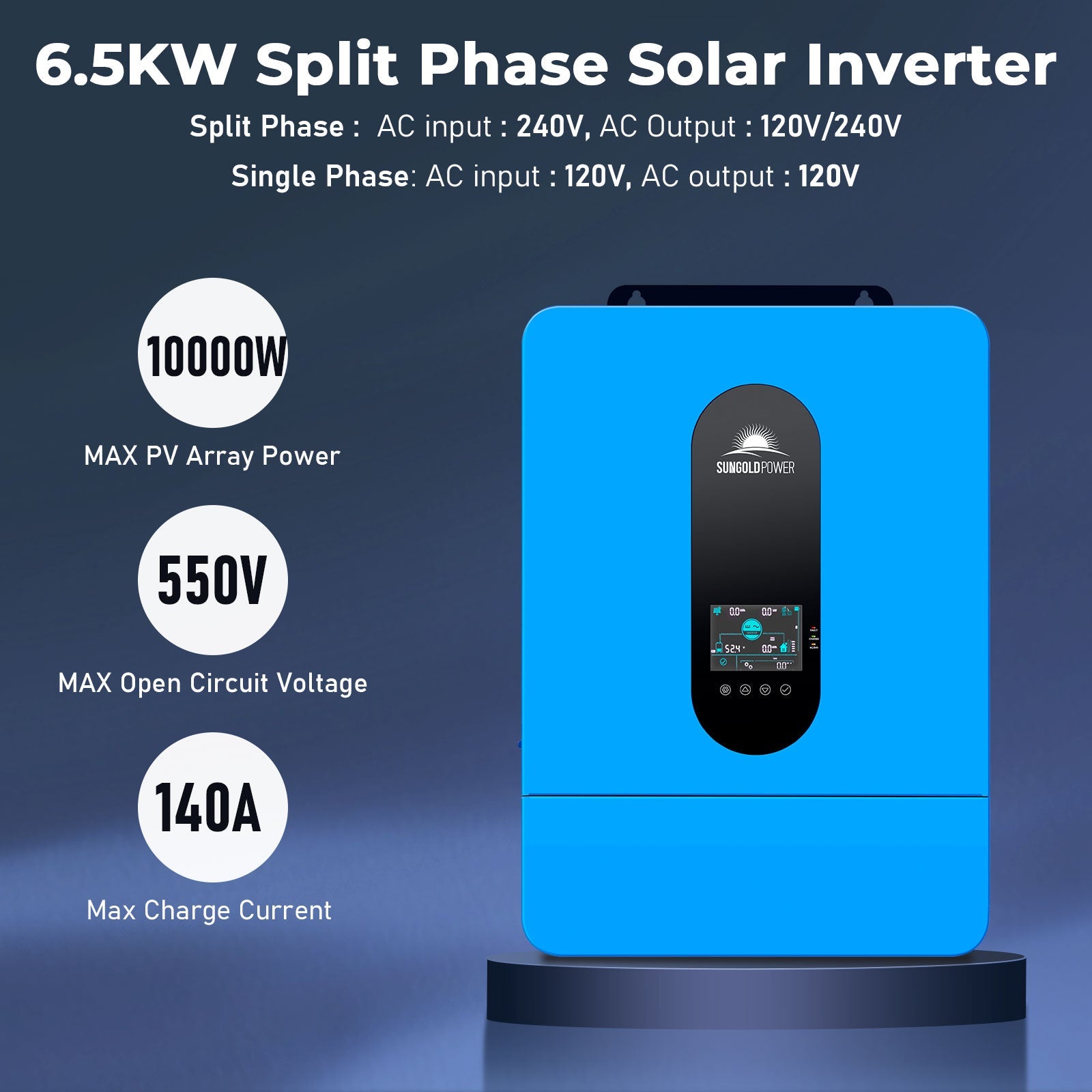
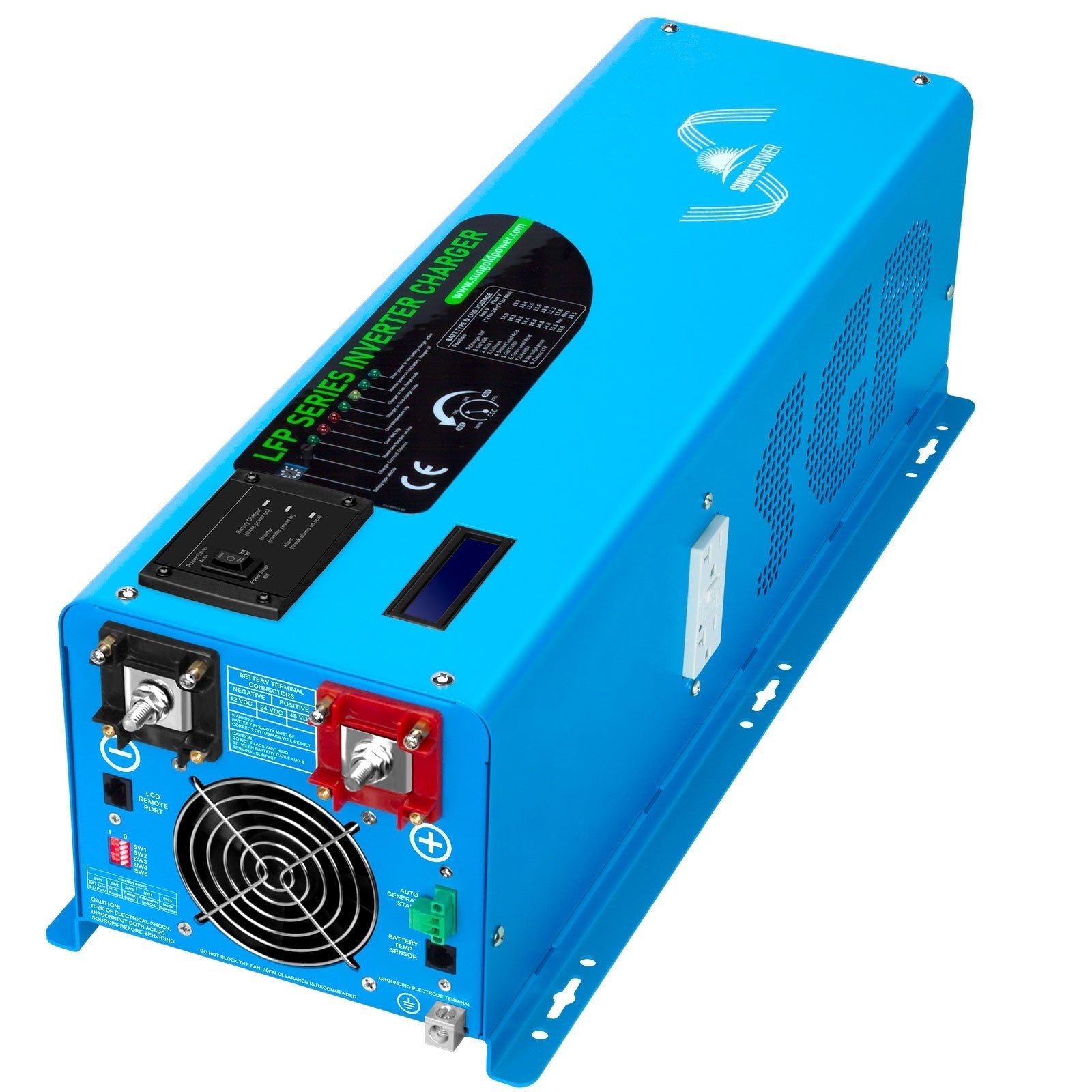
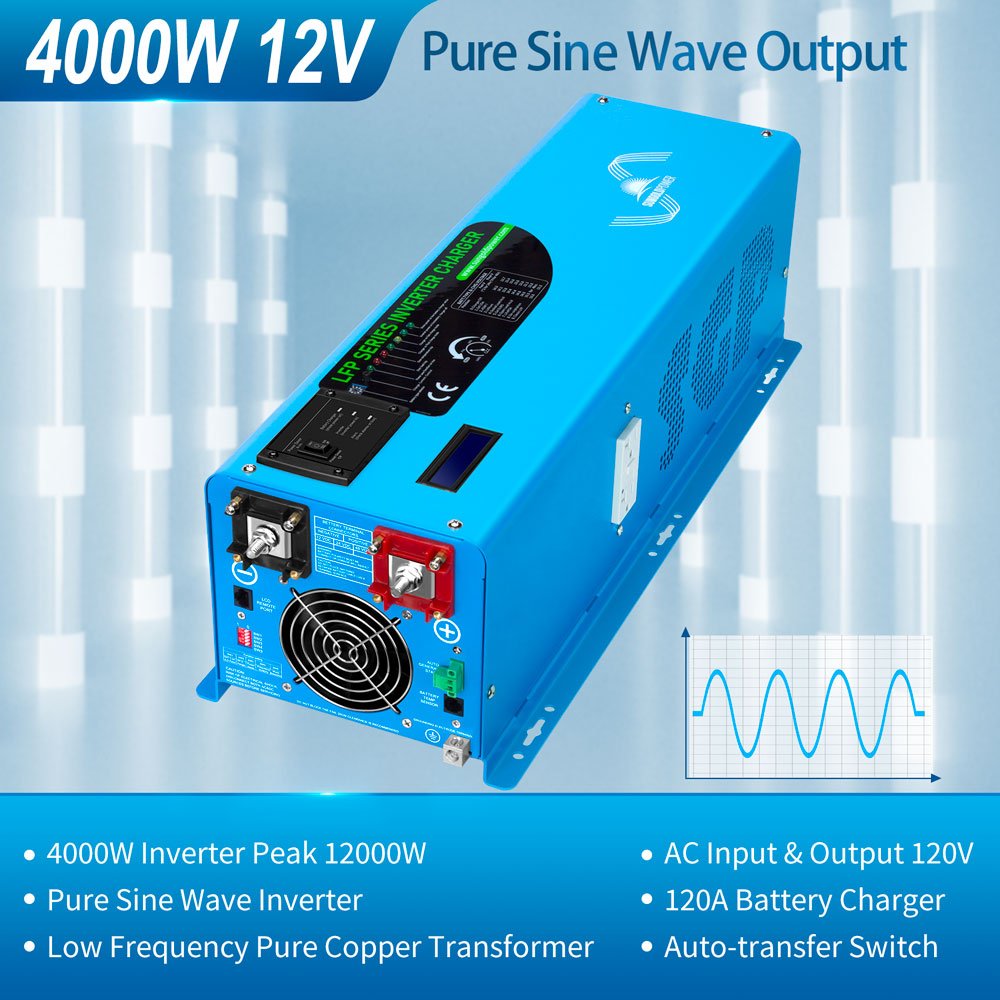
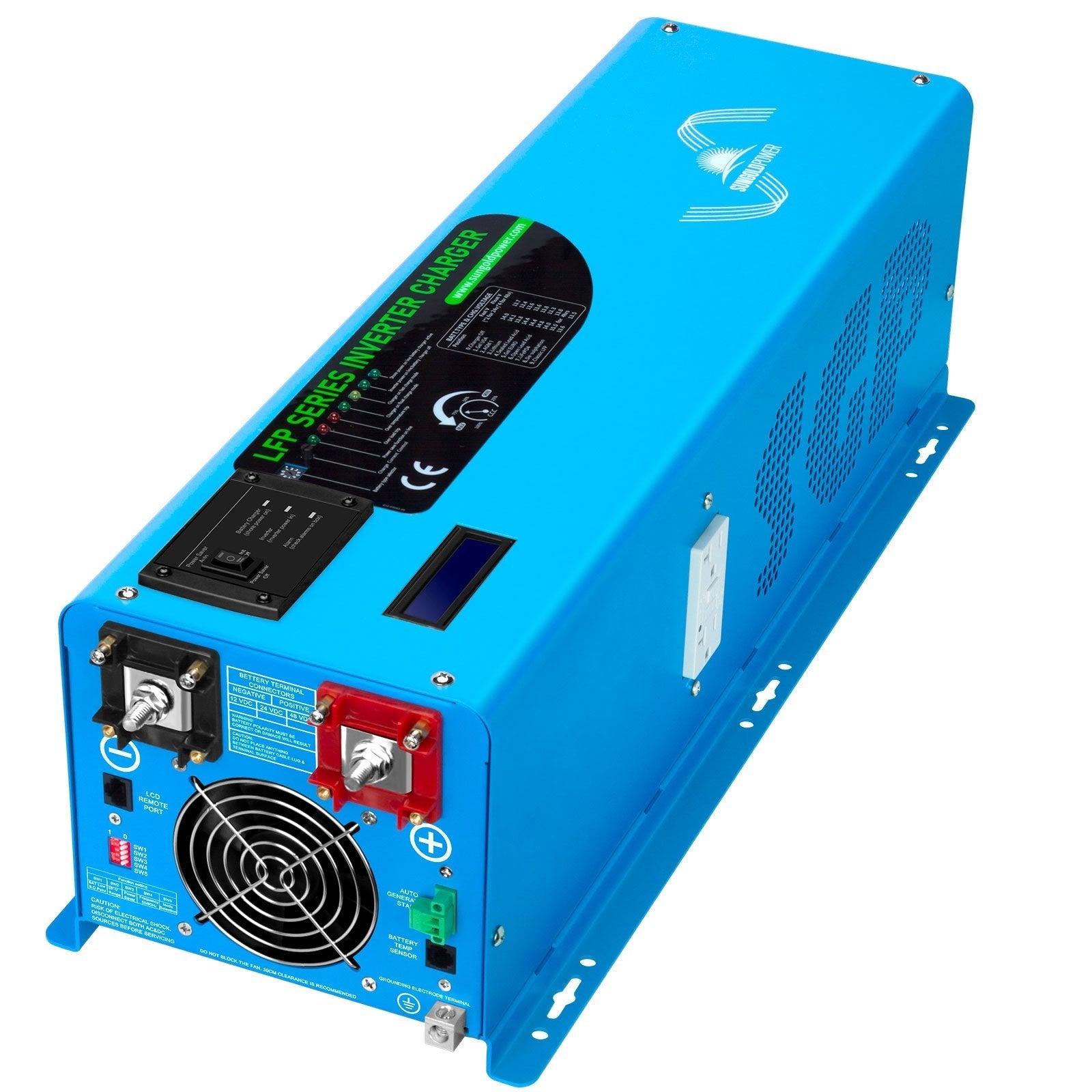
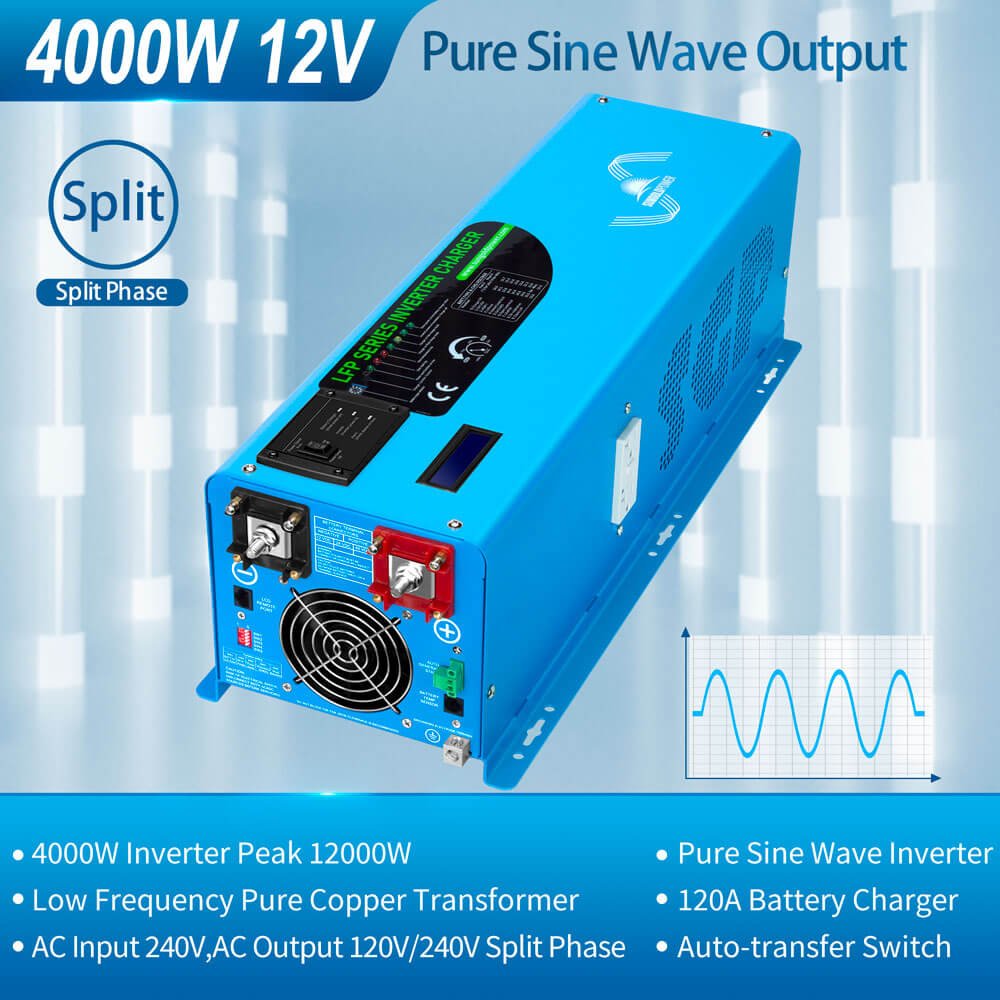
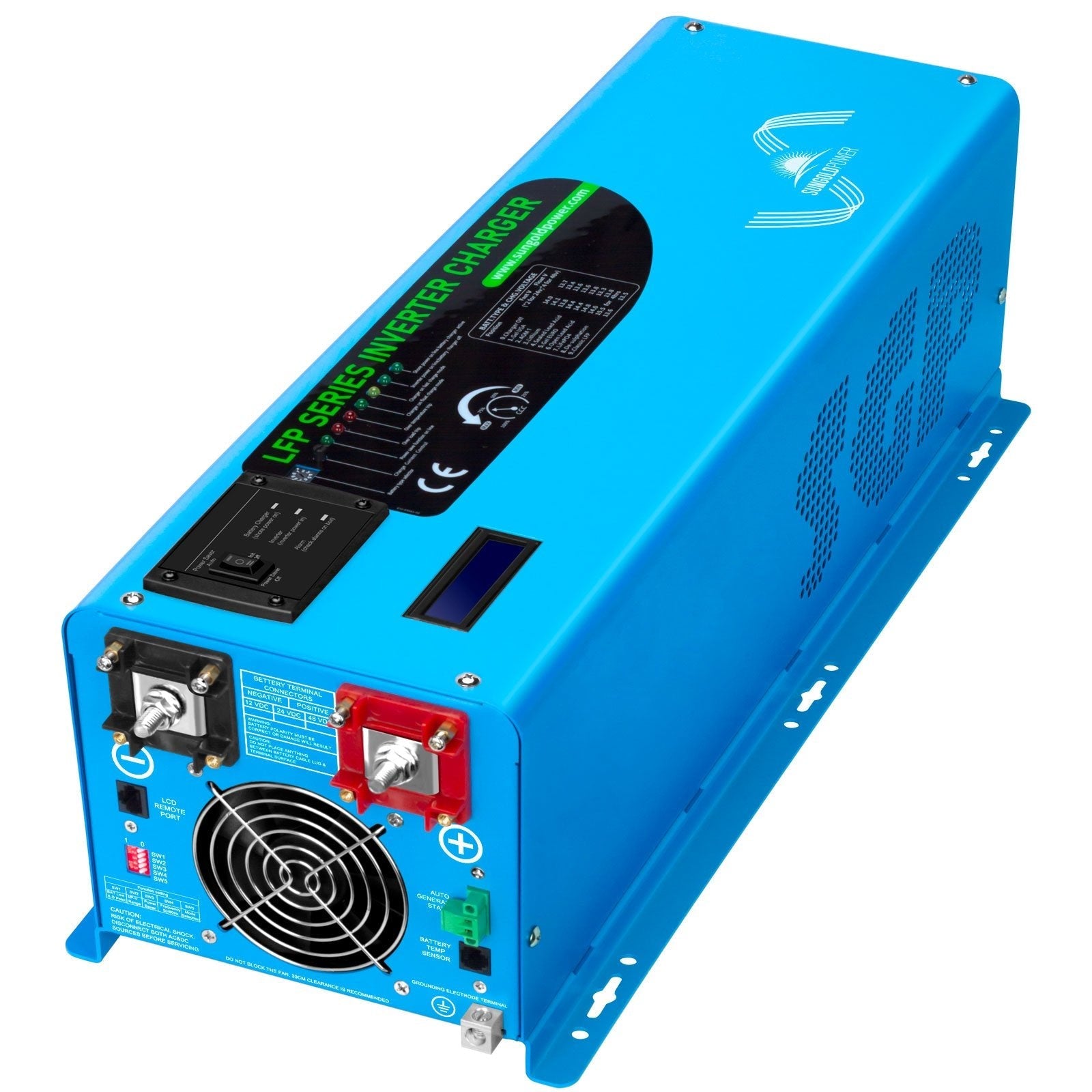
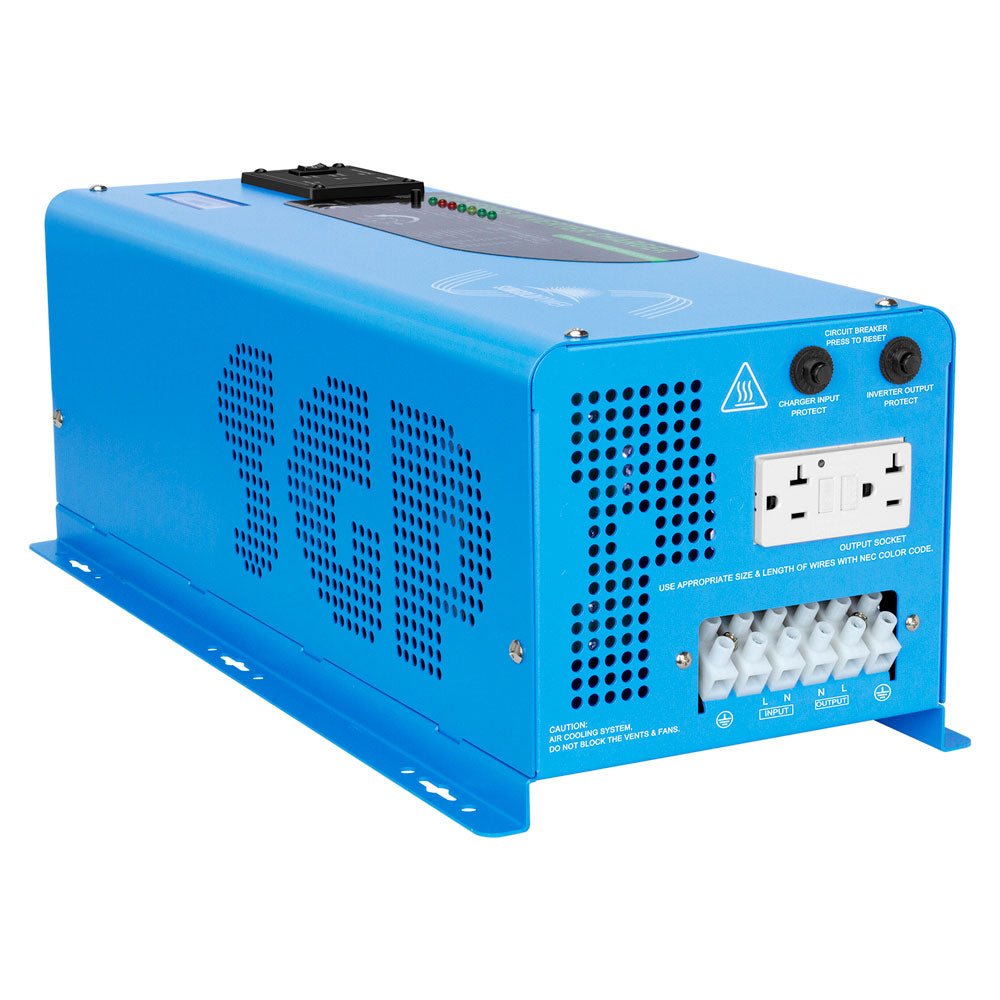
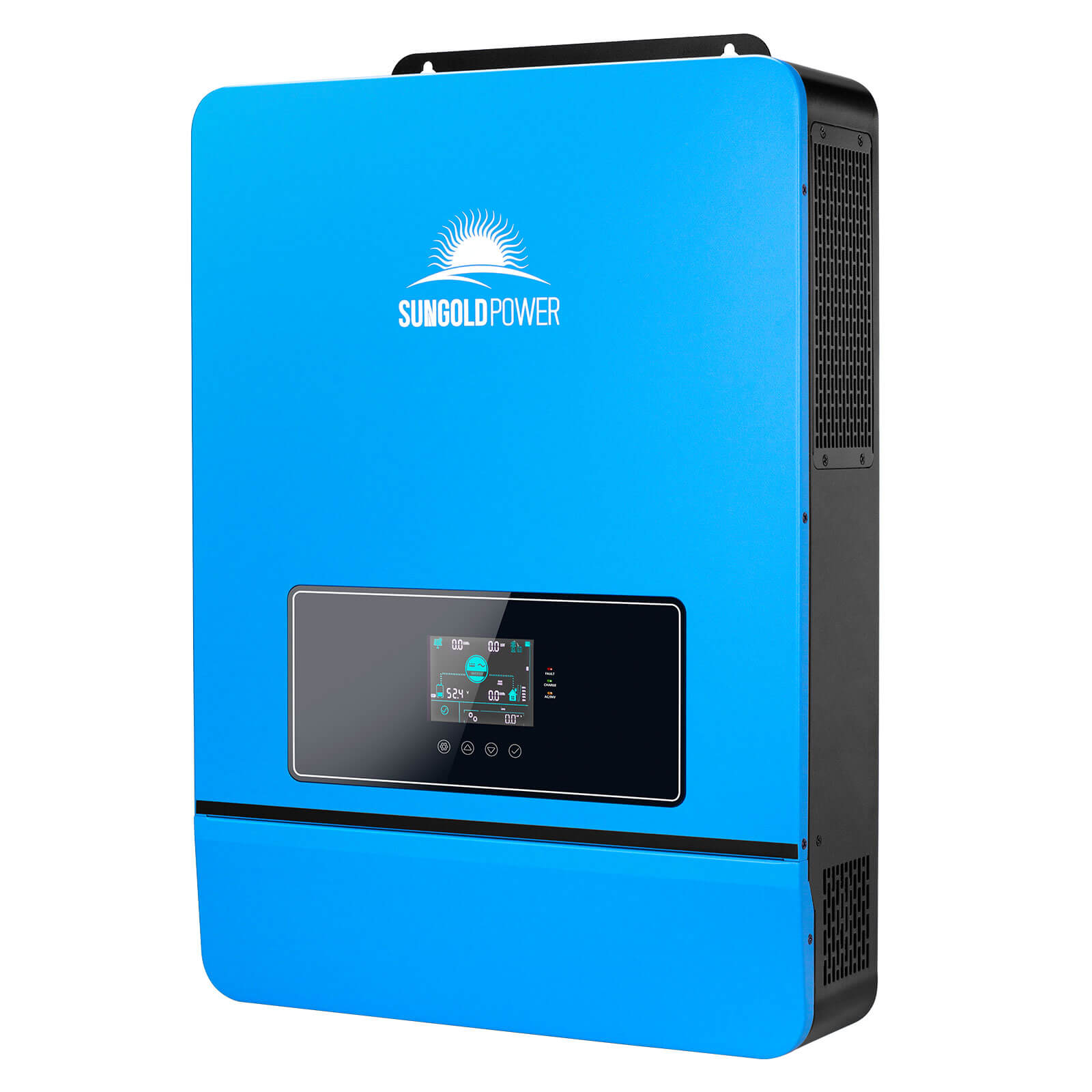
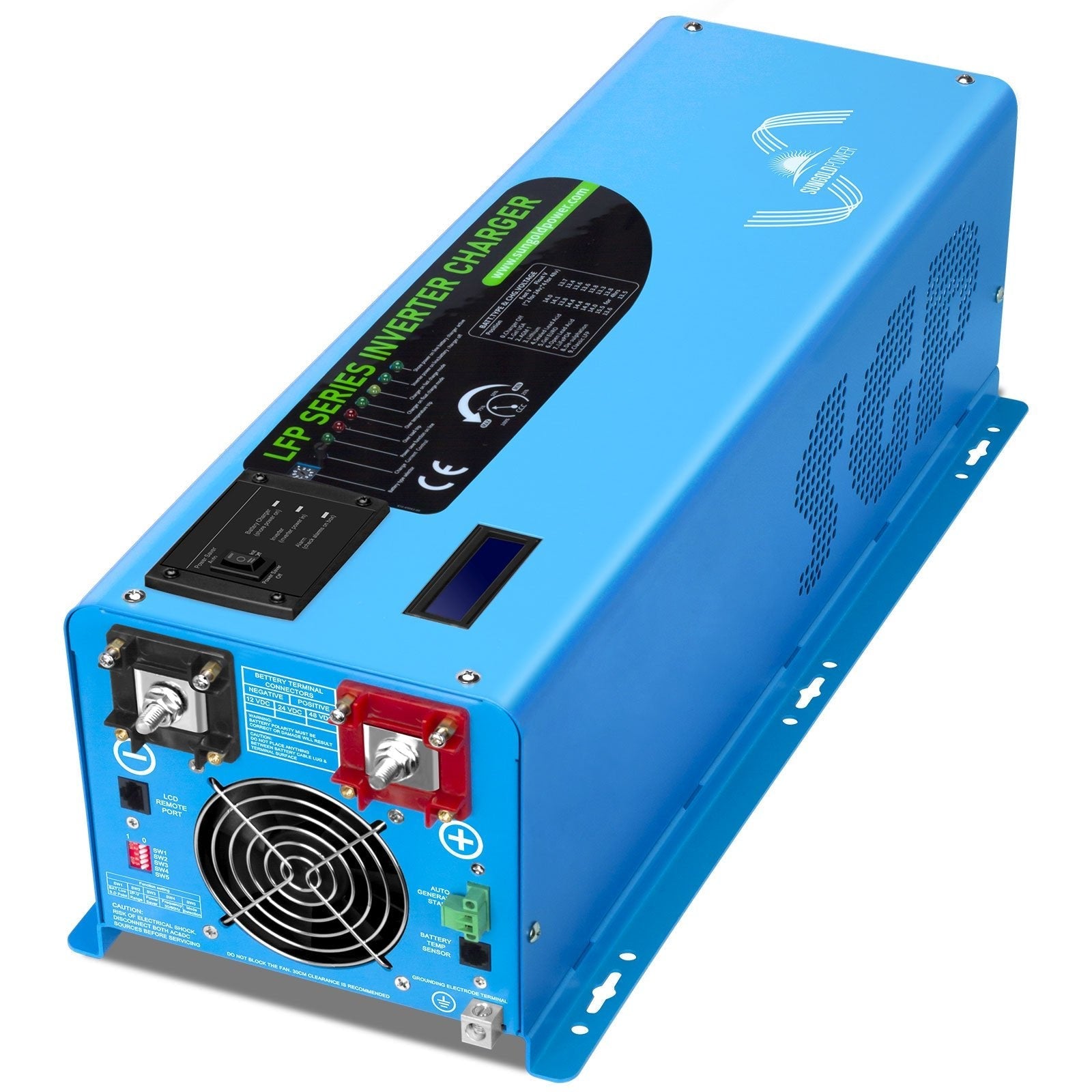
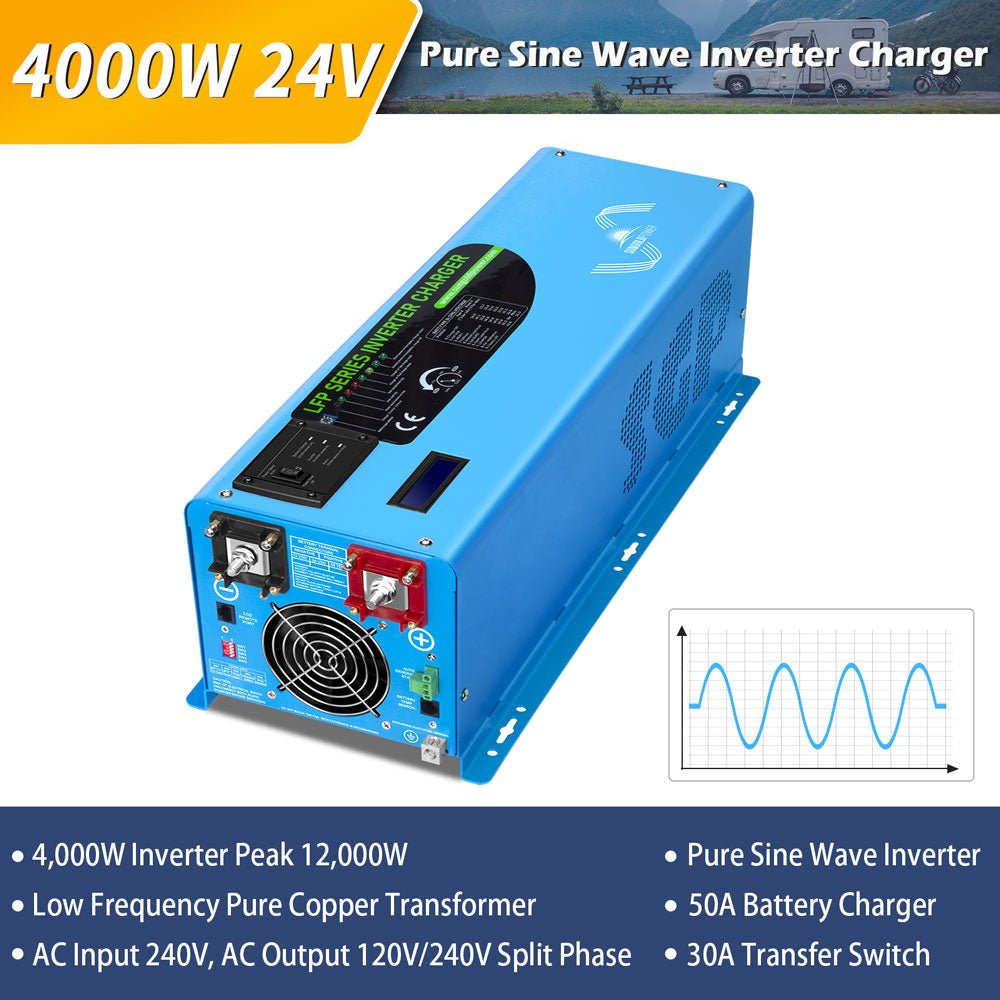
- Inverters and power accessories: The right power station paired with the wrong cable or adapter is still a problem at midnight during an outage. Check that your cables, adapters, and extension gear are compatible with your setup before you need them - not while you're scrambling in the dark.
- Home emergency power gear: A CPAP machine runs at around 30W. A refrigerator averages 150W. A space heater pulls 1,500W. Before you buy a power station, list what you actually need to run and for how long. The right unit for your household depends on those numbers, not on what sounds like enough.
Know what needs power before the outage starts. That's the part most people skip.

How to Choose the Right Backup Power Setup
Start with the devices that matter most during an outage: phones, lights, radio, router, laptop, CPAP machine, refrigerator, fan. This gives you a real power target. Every device draws differently, so look at running watts, surge watts, and watt-hours before choosing a power station.
A layered setup handles more scenarios than one oversized purchase. A power bank covers phones and USB gear. A mid-size portable power station handles lights, communication, and laptops. A larger solar generator covers heavier household essentials. Wall charging works before an outage, car charging helps during evacuation, and solar charging extends runtime when the grid stays down longer than expected.
Portable power stations work indoors because they don't burn fuel or produce exhaust. Fuel generators require outdoor placement, ventilation, fuel storage, and more maintenance - useful for heavy loads, but not the right tool for overnight bedroom use or apartments.
CPAP machines, refrigerated medication, baby monitors, and mobility devices change the power plan. Build your setup around the people who actually depend on it.

Solar Generators vs. Traditional Fuel Generators
Solar generators and fuel generators solve different problems. The right choice depends on where you'll use it, what you need to power, and how much maintenance, noise, fuel, and ventilation you're prepared to manage.
- Solar generators - quiet and indoor-safe: You can run a solar generator in your bedroom, home office, or apartment without ventilation concerns. No exhaust, no fuel storage, no engine noise at 3am. If your priority is keeping indoor essentials running overnight during a blackout, a solar generator fits where a fuel generator can't go.
- Fuel generators - higher output, more constraints: If you need to run a well pump, a window AC unit, or multiple heavy appliances at once, a fuel generator handles loads that most portable power stations can't. The tradeoff is outdoor placement, fuel storage, regular maintenance, and safe ventilation. Never run one indoors or in an attached garage.
- Solar recharge adds runtime: When the outage stretches past your battery capacity, solar panels give you a way to keep refilling. They don't make the system unlimited - output depends on sunlight, panel size, and weather - but they extend your runtime significantly compared to a battery-only setup.
- Battery capacity determines overnight performance: Solar panels stop producing power when the sun goes down. Make sure your battery capacity covers what you need to run through the night before the panels can start recharging in the morning. Size the battery first, then the panels.
- A layered setup covers more ground: For most households, the strongest approach is a portable power station for indoor essentials and a fuel generator on standby for heavier loads if needed. Trying to cover every scenario with one tool usually leaves a gap somewhere.
Frequently asked questions
What size portable power station do I need for a power outage?
List the devices you want to run and how long you need them. Phones, lights, radios, and laptops draw far less power than refrigerators, heaters, or medical equipment. Check each device's wattage, then compare against the watt-hour capacity and output rating of the power station you're considering.
Can a solar generator run a refrigerator?
Some can, but it depends on the refrigerator's wattage, startup surge, and how long you need it powered. A typical home refrigerator draws 100-400W running and surges higher on startup. Check both running watts and surge watts against the power station's rated output before buying.
Are portable power stations safe to use indoors?
Yes. Portable power stations are battery-based and produce no exhaust, making them safe for apartments, bedrooms, and home offices. Fuel generators should never be used indoors or in enclosed spaces - carbon monoxide buildup kills within minutes.
How long does a backup power station last during an outage?
Runtime depends on the power station's capacity and what's plugged into it. An LED light at 10W running from a 1,000Wh station lasts roughly 80-90 hours. A refrigerator averaging 150W draws that same station down in 6-7 hours. Match your capacity to your actual device load.
Do I need solar panels with a portable power station?
Not for short outages. A fully charged station covers most 24-72 hour blackouts. Solar panels become useful when the outage extends beyond your initial charge, when you're off-grid, or when you can't predict when wall power returns. In regions with frequent multi-day outages, solar input is worth the investment.
What should I power first during a blackout?
Prioritize communication, lighting, medical needs, and refrigeration. Phones, radios, headlamps, routers, CPAP machines, refrigerated medication, and food storage matter more than entertainment devices or high-draw appliances. A good backup power plan decides this before the lights go out.
HAVE QUESTIONS OR NEED HELP CHOOSING THE RIGHT SURVIVAL GEAR? GET IN TOUCH WITH US TODAY – WE'RE HERE TO HELP!